

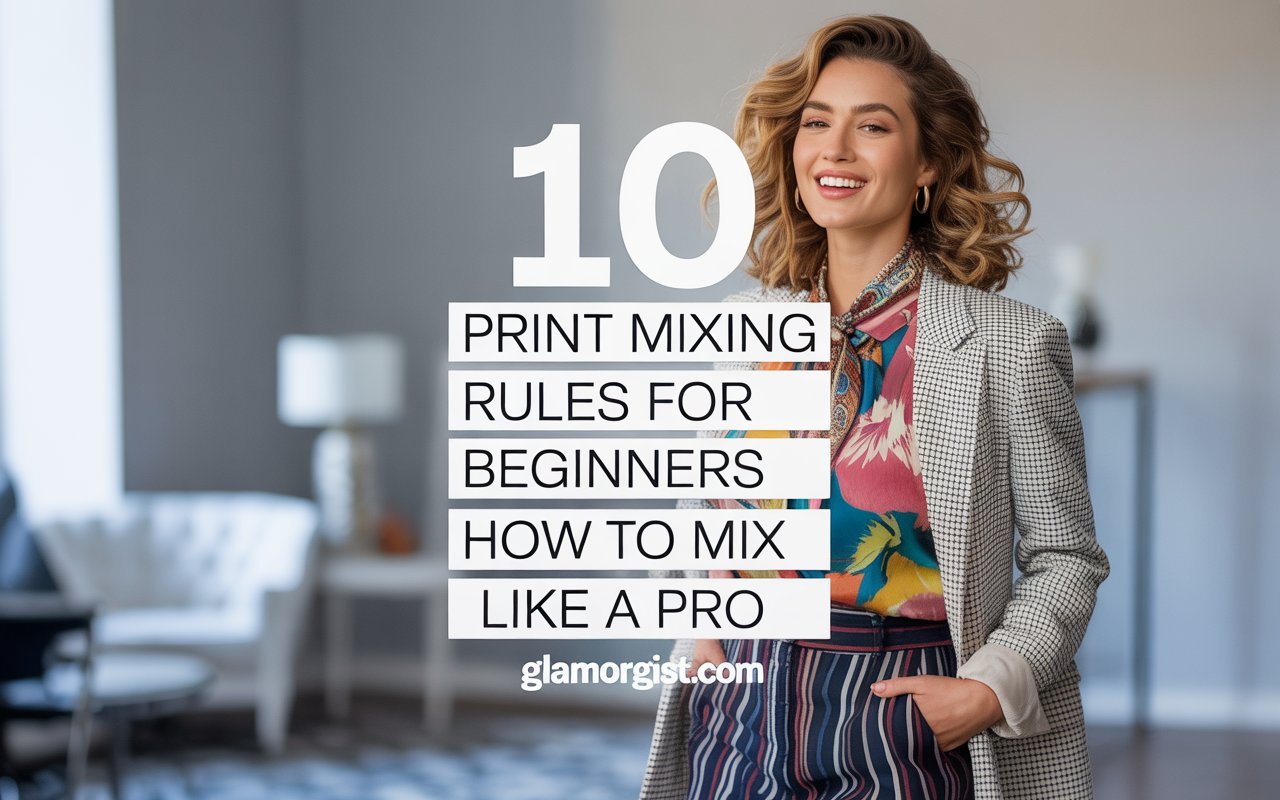
Diving into the world of print mixing can feel like stepping onto a runway in blindfold—but imagine the thrill of owning a look that feels perfectly you, from bold florals to geometric stripes, all in one outfit. Mastering how to mix prints is more than a styling skill; it’s a confidence booster that turns everyday dressing into a creative act. Whether you’re heading to a client meeting or a weekend brunch, these ten foundational rules will help you pair patterns with purpose, ensuring you stand out for all the right reasons.
1. Stick to a Unified Color Palette

Why it Works: A shared color story visually ties disparate prints together, creating harmony instead of chaos.
- Tip: Pull one or two accent colors from each print and look for those same shades in the other pattern.
- Example: Pair a green-and-white botanical print blouse with a darker emerald-and-white polka dot skirt. History in High Heels
2. Balance Large and Small Scales
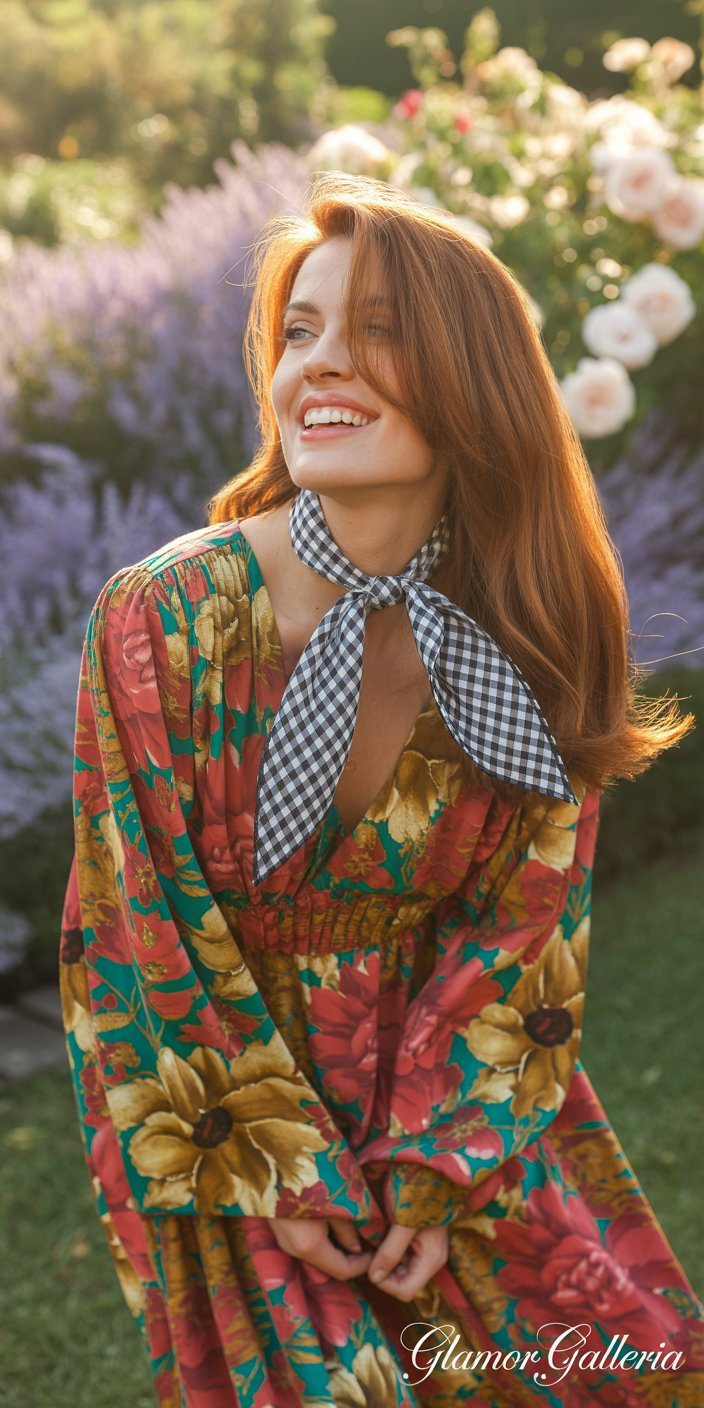
Rule: Combine a bold, large-scale print with a more delicate, small-scale pattern.
- Why it Works: Varying scale prevents the eye from getting overwhelmed and creates visual interest.
- Practical Pairing: A maxi floral dress lends itself beautifully to a miniature gingham scarf or clutch. InStyle
3. Anchor with Neutrals
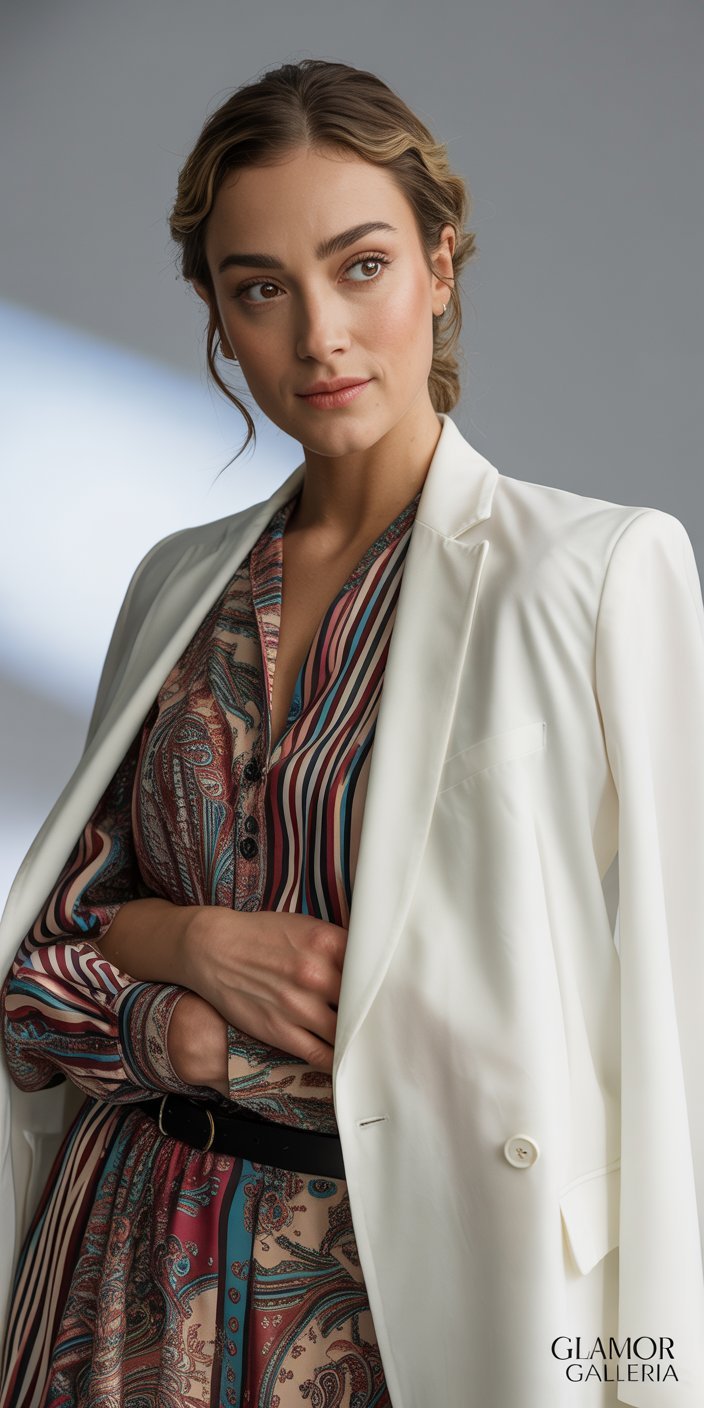
Hack: Place a solid neutral piece between or alongside two prints to give your eye a resting point.
- Why it Works: Neutrals like black, white, beige, or navy ground the look and prevent it from feeling too busy.
- Style Suggestion: Layer a crisp white blazer over a mixed-print top and skirt, then remove it for an evening event.
4. Let One Print Play Star, the Other Support
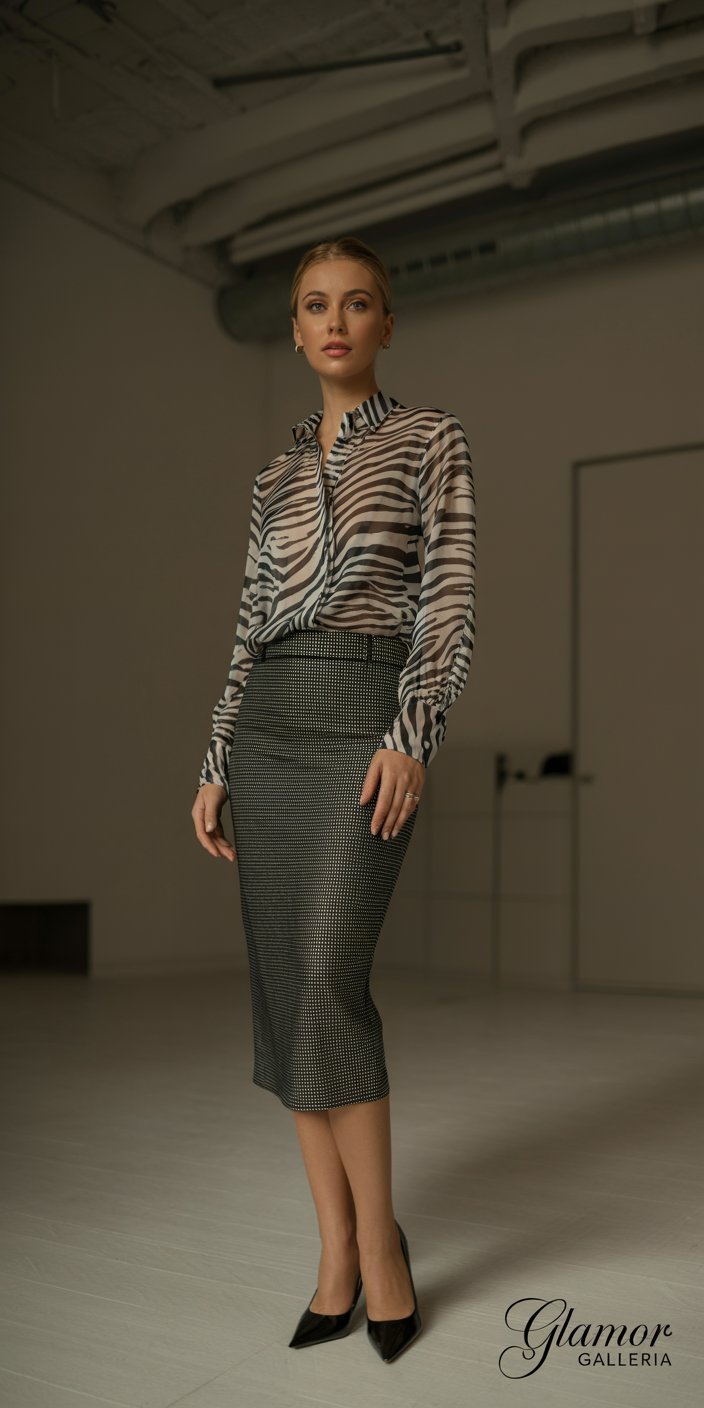
Approach: Designate one print as the “main event” and the other as its understated co-star.
- Why it Works: This hierarchy keeps outfits from competing, maintaining a focal point.
- Example: Wear a graphic zebra-print blouse under a subtle micro-dot pencil skirt; the blouse takes center stage.
5. Repeat a Common Hue or Motif
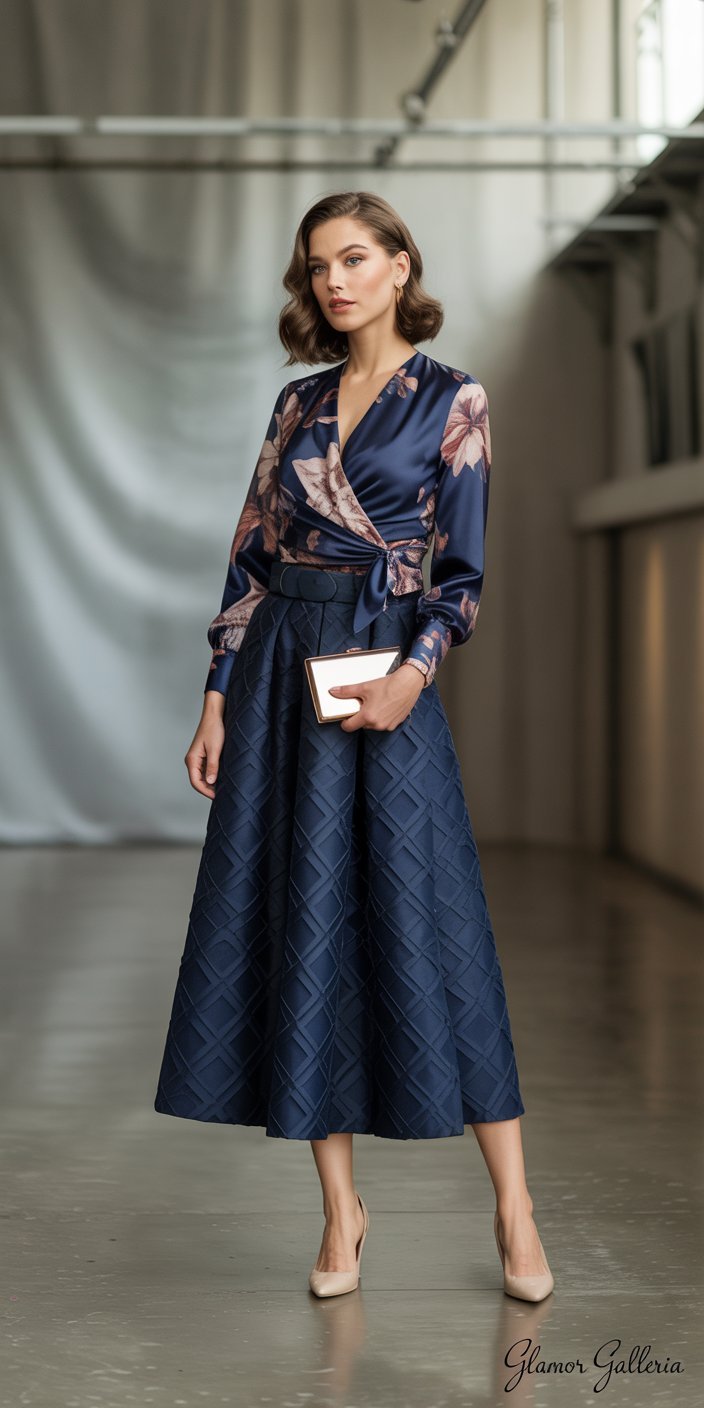
Strategy: Choose prints that share at least one color or one design element (e.g., both have florals, geometrics, or animal motifs).
- Why it Works: Repetition creates cohesion and makes disparate patterns feel part of the same family.
- Application: A print mixing challenge becomes approachable when two patterns echo the same navy tone.
6. Match Textures as Well as Colors
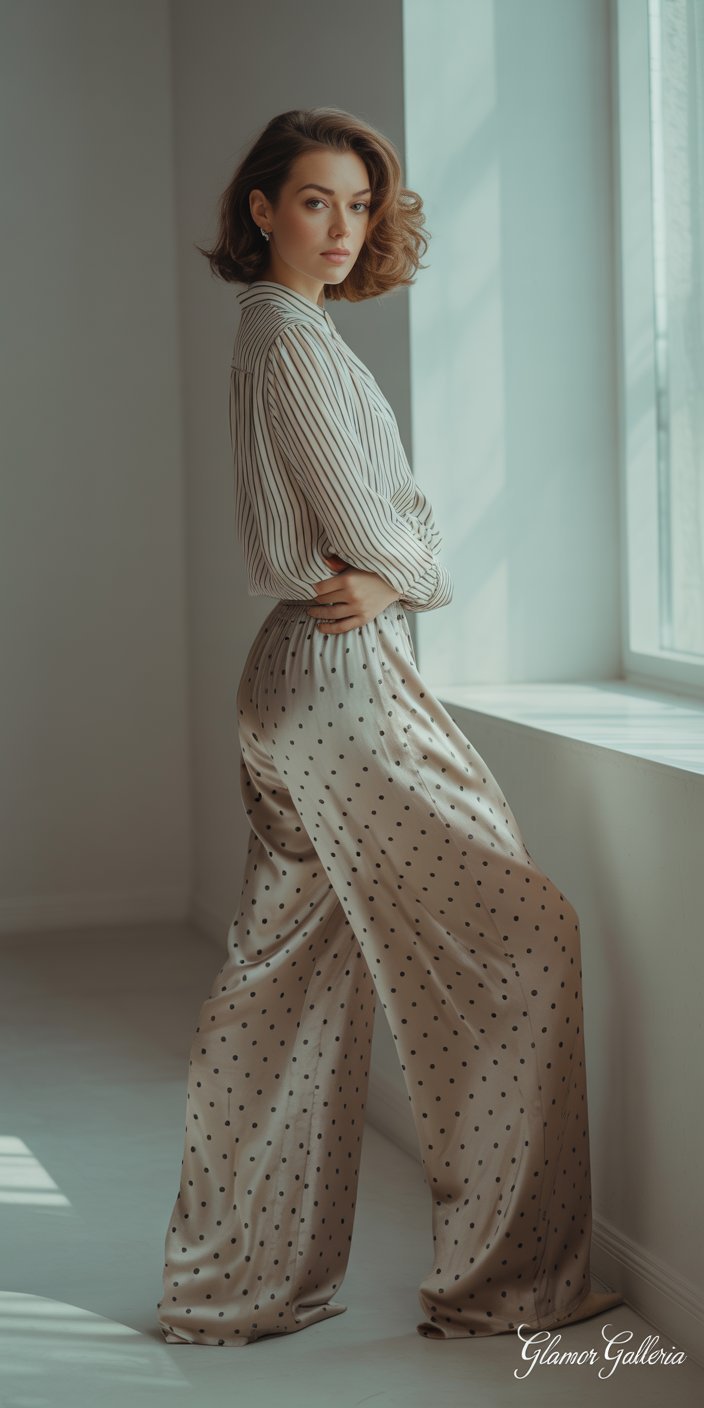
Detail: Pair fabrics with similar textures to keep the ensemble feeling cohesive.
- Tip: Silk with silk, cotton with cotton—smooth surfaces pair better together than mixing satin with heavy tweed.
- Outcome: A sleek look where the eye registers pattern, not fabric clashes.
7. Incorporate a Solid Block of Color
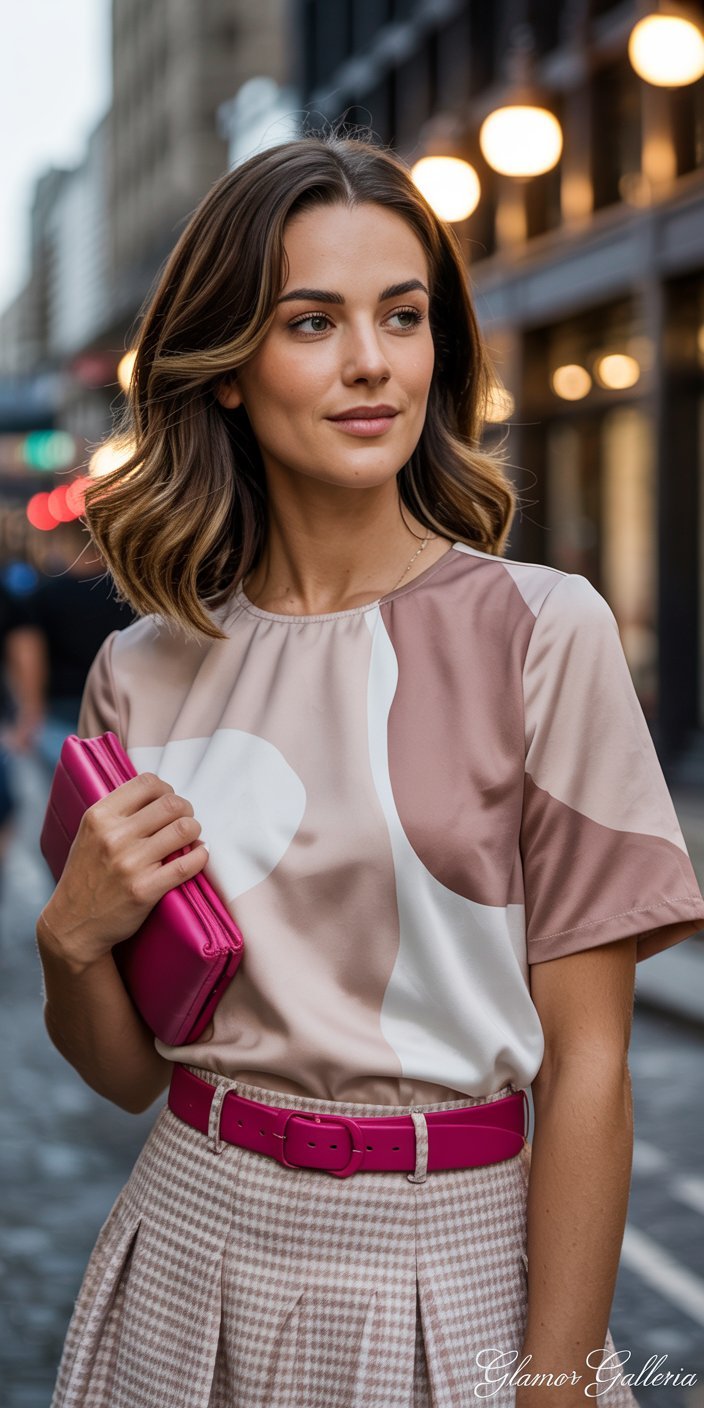
Why: Introducing a monochrome accessory or layer offers breathing room.
- How: Add a bright red belt or cobalt-blue clutch so the prints don’t visually compete.
- Pro Tip: For evening, switch your neutral tote for the color accent piece to transform the look instantly.
8. Accessorize with Restraint
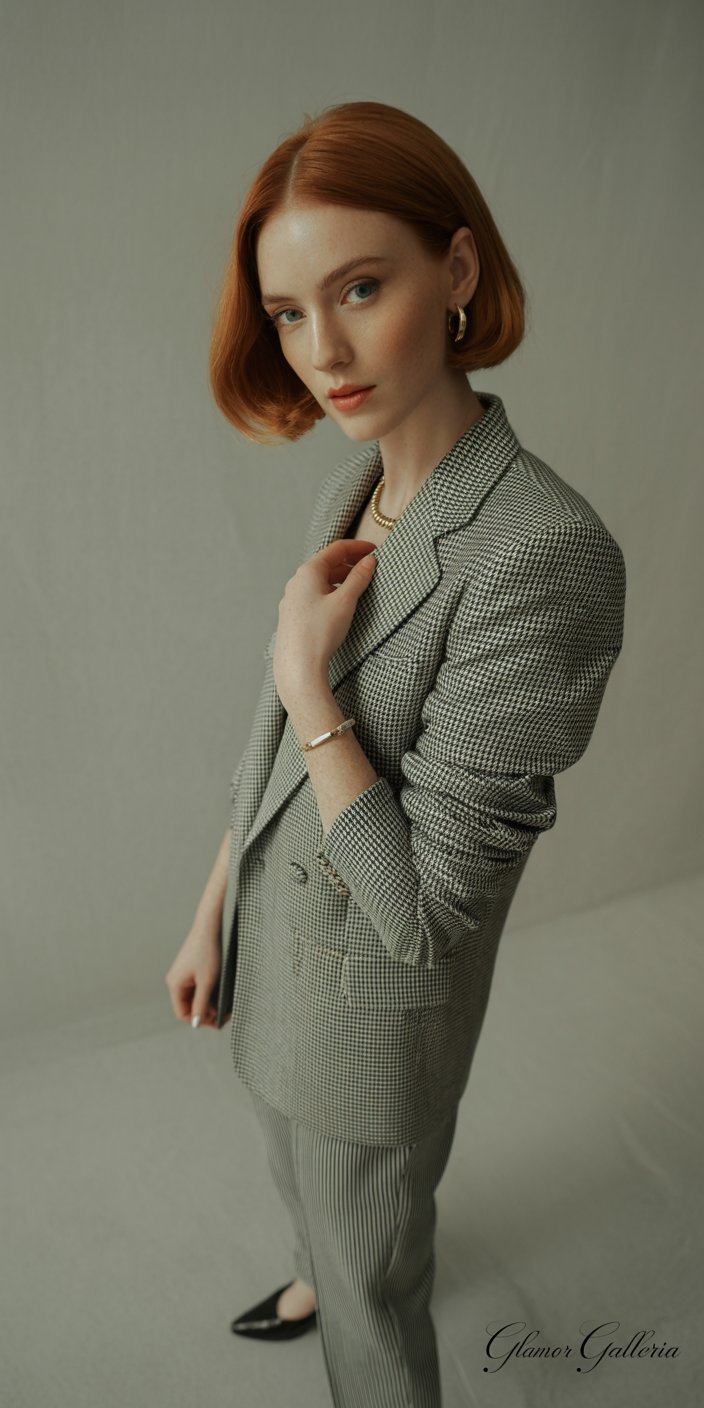
Rule: When your outfit already features two prints, keep jewelry and shoes simple.
- Advice: Choose delicate gold or silver pieces over chunky statement jewelry.
- Visual Cue: Let your prints shine—minimal accessories prevent sensory overload.
9. Mind the Mix on Outerwear
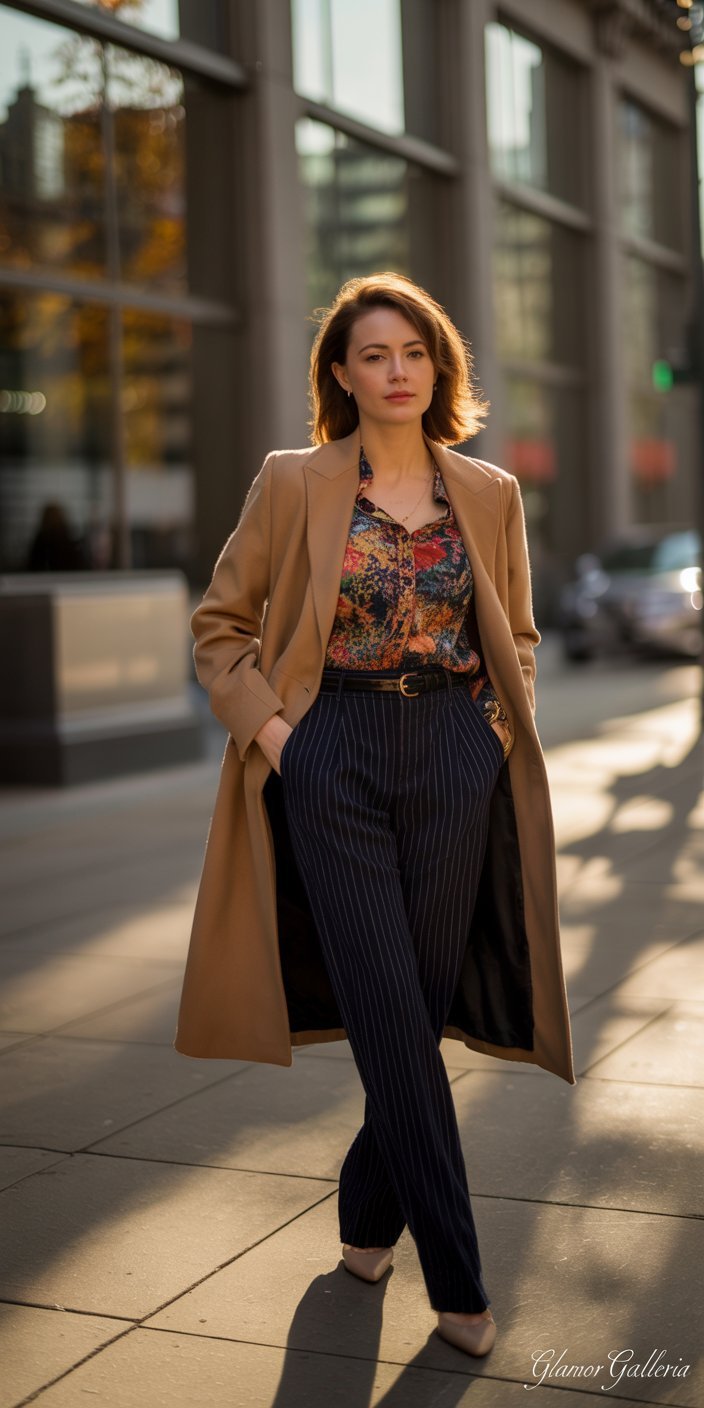
Tip: If you’re sporting two prints underneath, opt for a solid coat or blazer; conversely, let a printed jacket be the sole pattern piece when your base is neutral.
- Day-to-Night Hack: A floral kimono over a striped tee and black jeans looks polished by day; remove the kimono after dark for a subtler printed moment.
10. Own It with Confidence
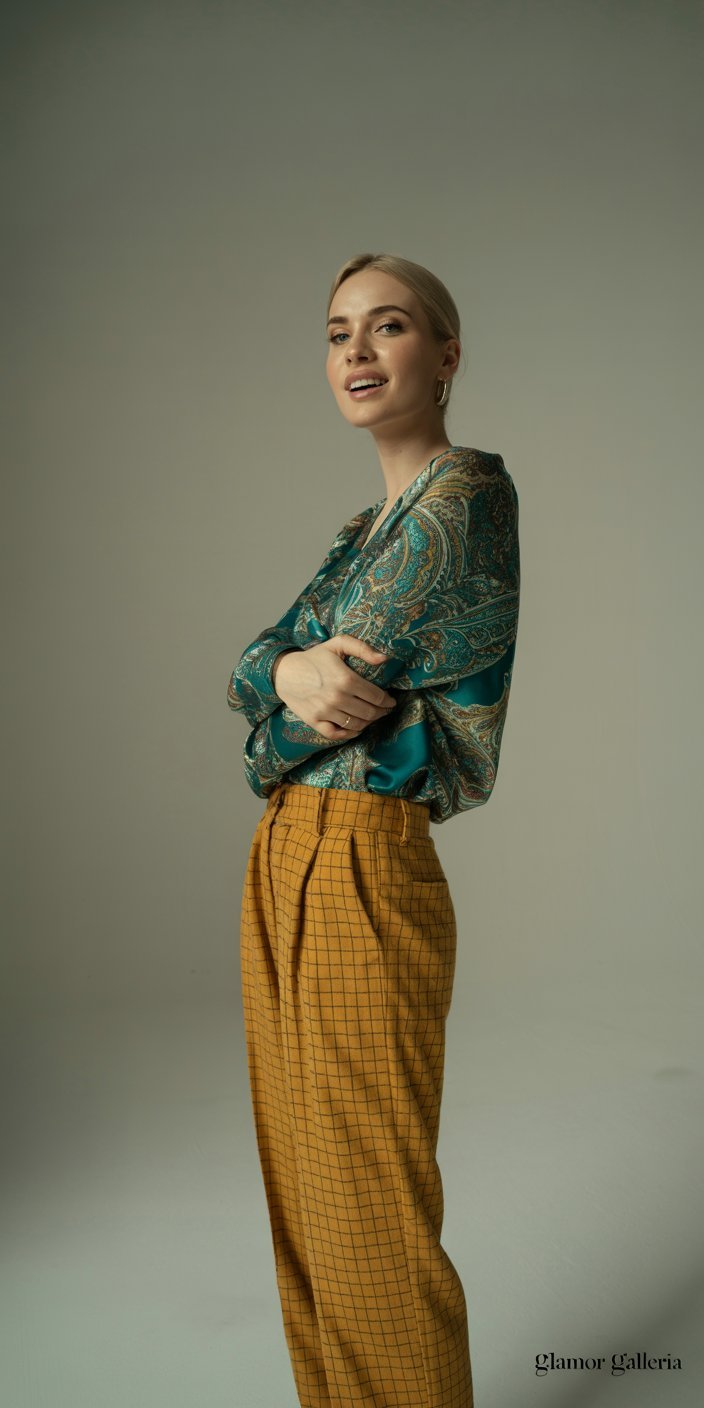
Final Rule: Your attitude is your best accessory.
- Why it Works: Confidence ties every element together—pattern, color, and texture.
- Mindset: Stand tall, smile, and know that how to mix prints is a skill you’ve mastered.
Details: Step-by-Step Guide
- Start Small:
- Step 1: Open your closet and spot one “easy” print (stripes, polka dots).
- Step 2: Find a second pattern that shares one hue or motif.
- Step 3: Try them on together in front of a mirror. If it feels overwhelming, introduce a neutral layer (blazer, scarf).
- Photograph & Adjust:
- Snap a quick photo. Often, the camera sees things your eyes miss.
- If the prints clash too much, swap for a smaller-scale version of one pattern.
- Elevate Gradually:
- Once you’ve paired 2 prints comfortably, add a third via an accessory (printed shoes, scarf, or bag).
- Keep the third print in the same color family to maintain cohesion.
- Evening Refresh:
- Swap flats for heels.
- Add a bold lip or statement earrings.
- Remove or switch one neutral piece for an accent color.
- Practice & Experiment:
- Dedicate one weekend to mixing prints. Try at least five different combinations.
- Journal which pairings felt most “you” and build from there.
FAQ
Q1: What’s the easiest print combo for beginners?
Start with stripes and polka dots. Both patterns use simple geometry, and when paired in contrasting scales (wide stripes + tiny dots), they create a balanced look without feeling adventurous right off the bat.
Q2: Can I mix more than two prints at once?
Yes—once you master two prints, introduce a third via an accessory: a printed belt, shoes, or headscarf. Ensure all prints share at least one common color to keep the outfit cohesive. Think of it as a curated chorus where each pattern sings the same melody.
Q3: How do I know if my prints are clashing?
Take a photo under natural light. If your eye (or the camera) gets lost in the patterns, it’s too busy. Dial it back by removing one print or adding a neutral layer. Remember, the art of how to mix prints is as much about subtraction as it is about addition.
Conclusion
Congratulations—you’re now equipped with how to mix prints like a seasoned stylist. By following these ten rules and practicing with confidence, you’ll transform your wardrobe into a playground of patterns, colors, and textures that uniquely reflect your style. Ready to take the next step? Share a photo of your favorite mixed-print outfit in the comments below, subscribe for more fashion-forward tips, and join our community of print pioneers. Your print revolution starts today!