

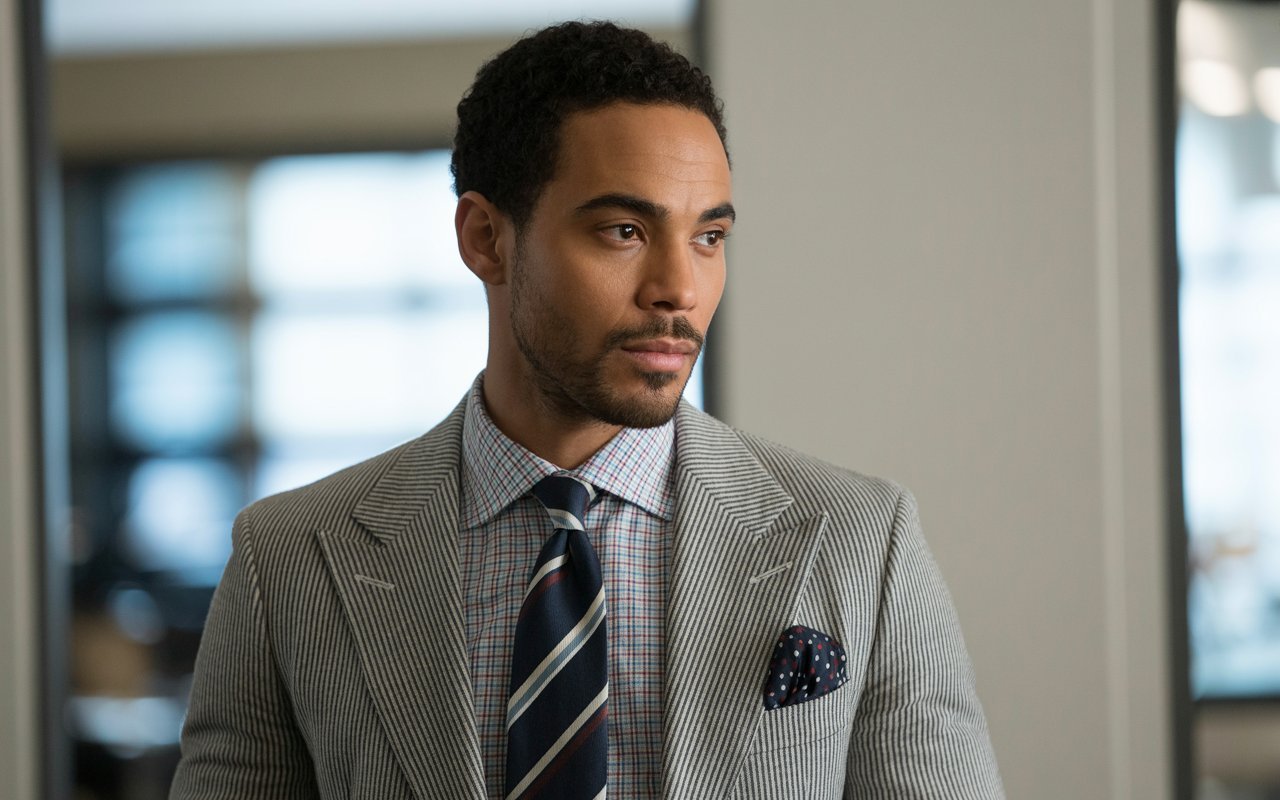
Pattern mixing can feel like the ultimate sartorial challenge. One wrong stripe paired with the wrong plaid and you risk looking more chaotic than chic. Yet, with a few simple guidelines, you can transform your wardrobe into a canvas of perfectly balanced patterns. In this article on pattern mixing for men, we’ll explore seven actionable outfit ideas that combine plaids, stripes, polka dots, and more—so you can step out with confidence and flair. Whether you’re dressing for the office, a weekend brunch, or a night out, these tips will help you weave patterns together in harmony.
1. PLAID SHIRT + PINSTRIPE TROUSERS
Why It Works

- Scale Contrast: The bold checks of a plaid shirt stand out against the fine vertical lines of pinstripe pants.
- Color Harmony: Use a plaid with subtle accent hues that echo the pinstripe’s base color.
How to Style
- Shirt Selection: Choose a medium-scale plaid shirt (e.g., navy and burgundy checks).
- Trousers: Opt for charcoal pinstripe trousers—fine, tonal stripes.
- Layering: Add a solid-colored navy bomber or trench coat.
- Footwear: Dark brown brogues or Chelsea boots.
- Accessories: A leather belt in a matching brown tone and a simple pocket square in one of the plaid’s accent colors.
Practical Tips
- Ensure the plaid’s grid lines are at least twice the width of the pinstripe spacing to avoid visual competition.
- Keep accessories minimal—a solid tie or no tie at all maintains balance.
2. STRIPED KNIT SWEATER + CHECKED SHIRT UNDERLAY
Why It Works
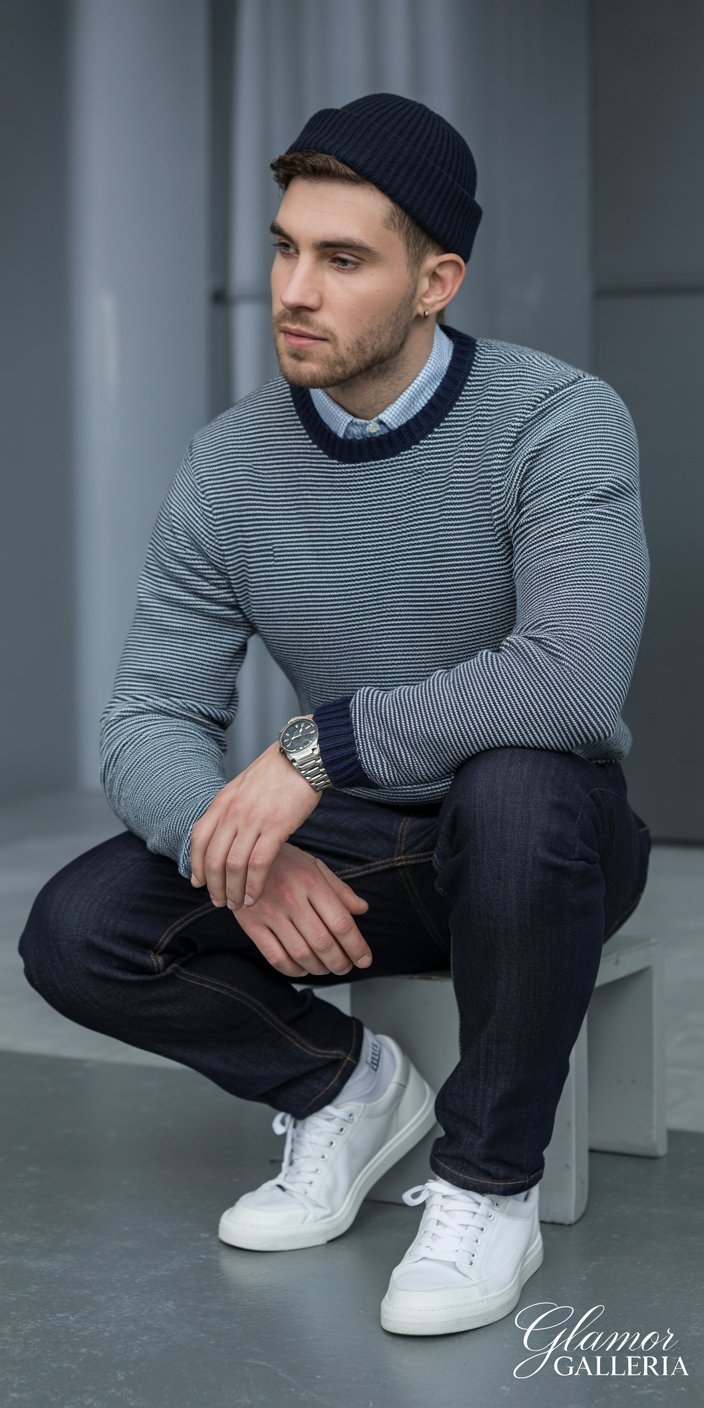
- Texture Play: The softness of knitwear against crisp cotton adds depth.
- Pattern Pairing: Horizontal stripes paired with small-scale checks create an engaging, yet cohesive look.
How to Style
- Base Layer: Wear a small-check oxford shirt (e.g., micro gingham in light blue).
- Layer: Slip on a navy-and-white striped crew-neck knit sweater.
- Bottoms: Dark indigo jeans or chinos in a neutral tone.
- Shoes: White minimalist sneakers.
- Finishing Touch: A beanie or watch strap in a canvas or leather that picks up one of the shirt’s hues.
Practical Tips
- Keep the knit sweater’s stripe width wider than the shirt’s check pattern for clear distinction.
- If the sweater is chunky, roll up the shirt sleeves slightly so the pattern peeks out without bulk.
3. POLO DOT TIE + WINDOWPANE SPORT COAT
Why It Works
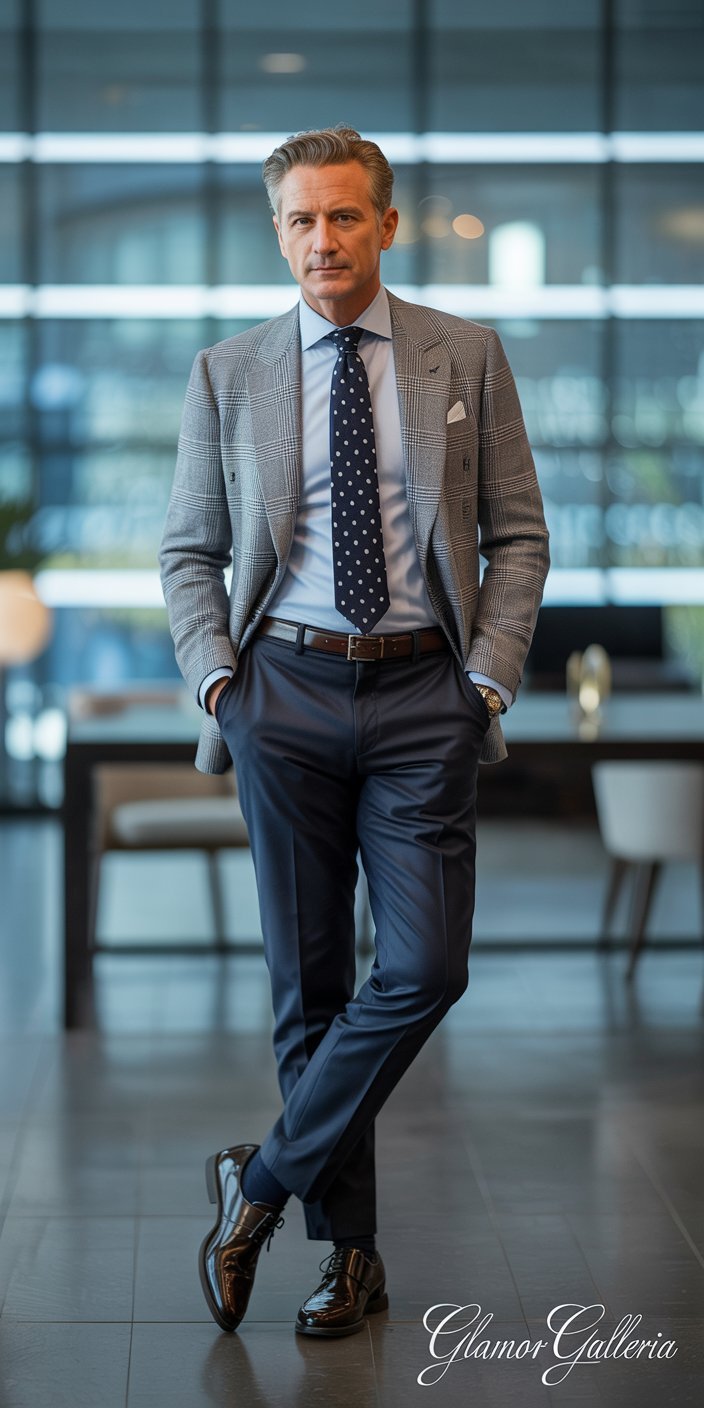
- Dot vs. Grid: Polka dots pair beautifully with the rigid lines of windowpane suiting.
- Modern Elegance: This combination elevates a classic sport coat for both smart-casual and business-casual settings.
How to Style
- Jacket: Choose a light gray sport coat with a subtle windowpane in navy.
- Shirt: Solid white or pale blue dress shirt.
- Tie: Navy background with white polka dots of medium size.
- Trousers: Slim-fit navy chinos.
- Shoes: Dark brown monk straps or loafers.
Practical Tips
- Match the tie’s dot color to the sport coat’s windowpane accent.
- Use a tie bar and pocket square in solid colors to anchor the look.
4. MIXED-LINED SUIT + TEXTURED NECKWEAR
Why It Works
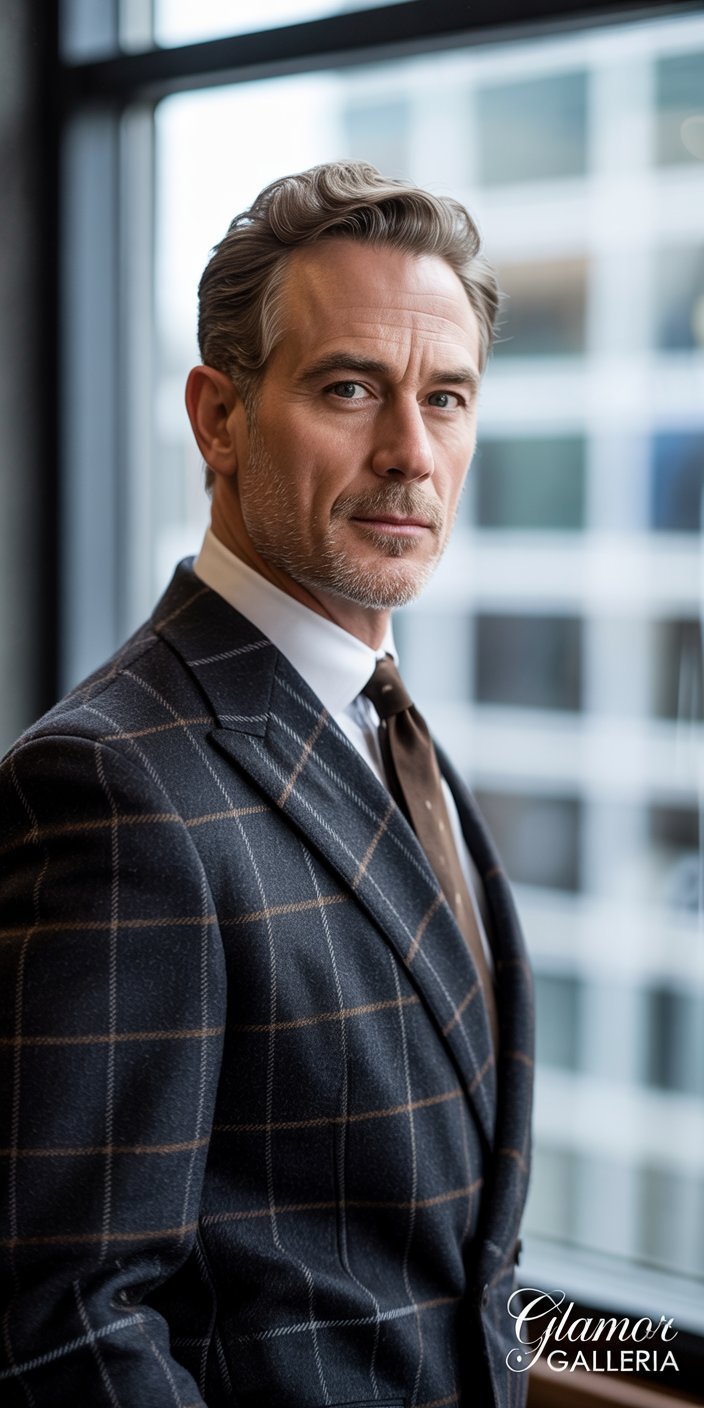
- Subtle Variation: A suit with stripes and windowpane overlapping creates a refined pattern blend.
- Depth with Texture: A knitted tie or wool scarf adds another layer of interest.
How to Style
- Suit: Look for a gray or navy suit featuring dual patterns (e.g., faint stripes plus bold windowpane).
- Tie/Scarf: Choose a knitted tie in a solid color that draws from the suit’s palette.
- Shirt: Crisp white or light blue for contrast.
- Shoes: Polished black oxfords.
- Accessories: Leather briefcase in dark brown or black.
Practical Tips
- Ensure at least one pattern is very subdued to prevent “busy” visuals.
- Keep shirt patterns to none—solids anchor the ensemble.
5. MIX ‘N’ MATCH DRESS SOCKS + CASUAL FOOTWEAR
Why It Works
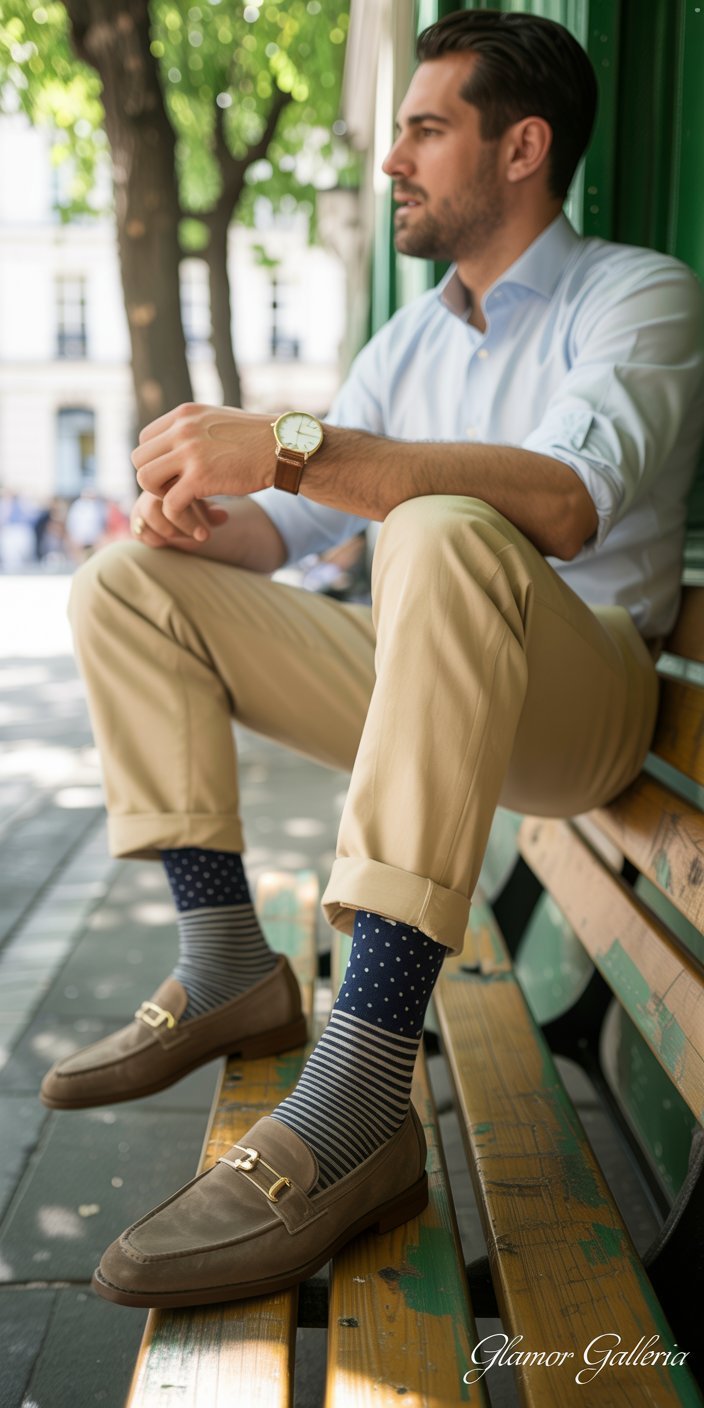
- Unexpected Accent: Patterned socks can tie together two larger patterns above the ankle.
- Personality Pop: A dash of polka dots or bold stripes in your sock choice delivers a playful surprise.
How to Style
- Sock Pattern: Small-scale polka dots or thin stripes in contrasting colors.
- Trousers: Slim-fit chinos or rolled-up denim to showcase the socks.
- Shoes: Suede loafers, derby shoes, or crisp sneakers.
- Top: Pair this with any of the above pattern-mixing tops for a cohesive look.
Practical Tips
- Coordinate at least one sock color with your shirt or jacket hue.
- Avoid over-patterning your shoes; stick to solids in neutral shades.
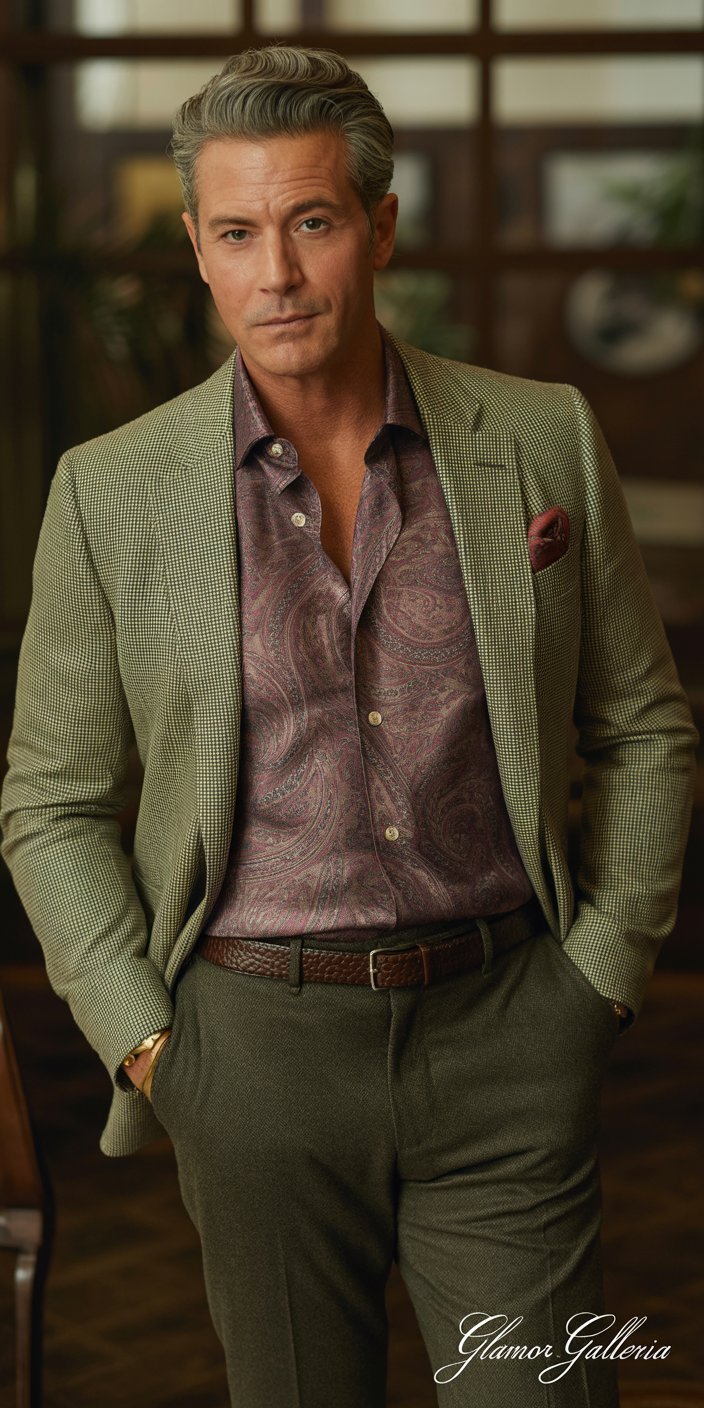
6. BOLD PAISLEY SHIRT + SUBTLE CHECKED JACKET
Why It Works
- Artful Contrast: Paisley’s organic curves offset by a structured plaid or checked jacket.
- Color Story: Choose a paisley shirt whose base color matches the jacket’s primary hue.
How to Style
- Shirt: Choose a button-down paisley pattern in muted tones (e.g., burgundy and olive).
- Jacket: Single-breasted checked blazer in olive or gray.
- Trousers: Slim-fit trousers in a matching neutral.
- Footwear: Brown leather derby shoes.
- Finishing Touch: A pocket square that echoes the paisley’s accent color.
Practical Tips
- Keep the jacket’s checkscale small to medium—larger checks can overwhelm paisley.
- For a more casual feel, swap trousers for dark wash jeans.
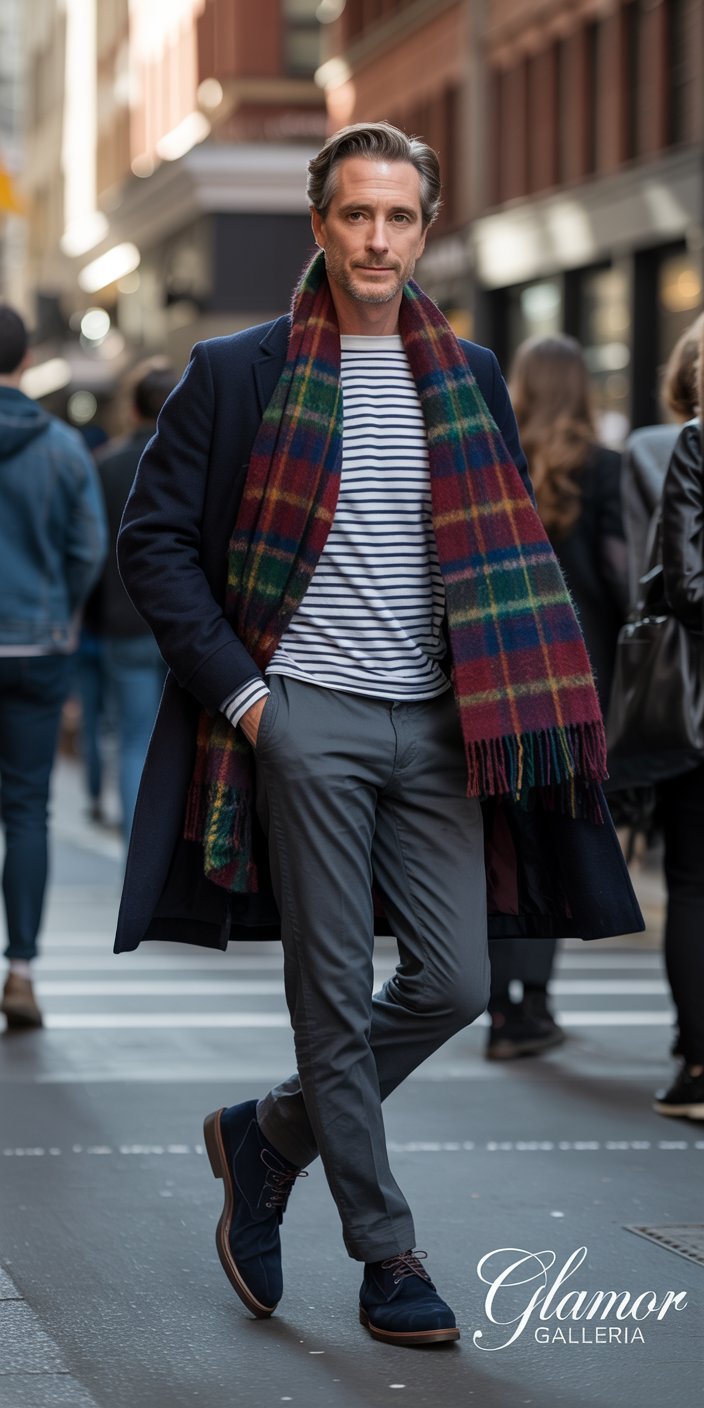
7. STRIPED TOP + PLAID SCARF
Why It Works
- Layered Patterns: The horizontal stripes of a tee or sweater balanced by a plaid scarf’s grid.
- Seasonal Flexibility: Works in cooler weather for both street-style and smart-casual outings.
How to Style
- Top: Navy-and-white Breton stripe long-sleeve tee or knit sweater.
- Scarf: Wool plaid scarf featuring burgundy, navy, and forest green.
- Jacket: Solid, tailored overcoat in charcoal or camel.
- Bottoms: Dark denim or charcoal trousers.
- Shoes: Suede chukkas or classic leather boots.
Practical Tips
- Let the stripe width and plaid squares differ significantly in scale.
- Drape the scarf loosely—avoid knotting tightly to show off the pattern.
FAQ
1. What is pattern mixing for men?
Pattern mixing for men is the art of combining two or more distinct patterns—such as plaids, stripes, polka dots, or paisleys—in a single outfit while maintaining visual harmony. By contrasting scale, color palette, and texture, you can craft looks that feel intentional rather than chaotic.
2. How do I choose patterns that work together?
Start by varying the scale: pair large-scale patterns (like bold plaids) with smaller ones (like micro-stripes). Next, limit your color palette to two or three complementary hues. Finally, incorporate at least one solid piece to anchor the ensemble.
3. Can beginners try pattern mixing for men?
Absolutely. Beginners should begin with low-stakes pairings—such as a patterned tie and solid suit—before progressing to more complex combos like stripes with checks. Remember: practice and thoughtful proportion are key.
Conclusion
Mixing patterns elevates a man’s wardrobe from predictable to polished. By mastering pattern mixing for men, you’ll gain the confidence to experiment—whether you’re pairing plaids and pinstripes or dots and checks. Start small: incorporate one mixed-pattern accessory today, and watch as your style game transforms.
Ready to refine your pattern-mixing skills? Share your favorite outfit idea in the comments below, subscribe for more men’s style tips, and don’t forget to try these seven ideas on your next style adventure!