


Walking into your closet shouldn’t feel like stepping into a chaotic thrift store—overstuffed, overwhelming, and full of “nothing to wear.” For many, the idea of a minimalist wardrobe conjures images of stark, joyless uniforms. But at its heart, minimalism is about living with intention, surrounding yourself with only the pieces you love and wear—and enjoying the freedom that follows. If you’re new to this world of intentional dressing, these eight beginner-friendly tips will help you pare down your closet, curate a cohesive collection, and discover the confidence that comes from owning less but wearing more. Let’s transform decision-fatigue into daily delight.
Tip 1: Declutter with the 80/20 Rule

- What It Is: Identify the 20% of your clothes you wear 80% of the time, and consider donating or selling the rest.
- Why It Works: Most of us gravitate toward the same favorites—jeans, tees, and a trusty blazer. By removing under-loved items, you instantly streamline decision-making each morning.
- How to Do It:
- Pull every garment out of your closet.
- Hang each piece back on a hanger backwards.
- As you wear items over the next month, return hangers to the correct direction.
- After 30 days, remove anything still backward.
Tip 2: Invest in Timeless Staples
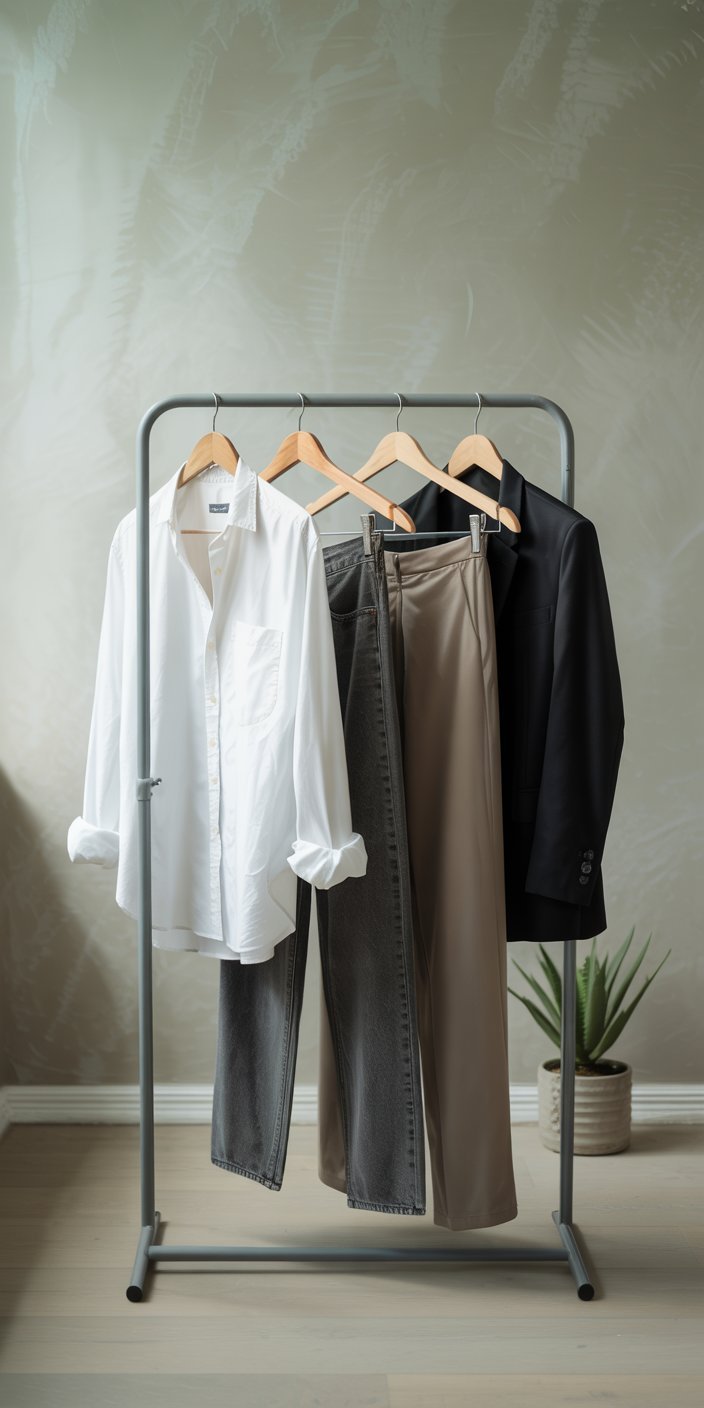
- Core Pieces:
- A well-fitting white button-down shirt
- Straight-leg dark denim
- A classic black blazer
- Tailored trousers in neutral tones
- A little black dress (LBD)
- Why Quality Matters: Spending a bit more on these staples ensures they last for years, resisting pilling, stretching, or fading. A handcrafted blazer, for instance, retains its shape and elevates every outfit.
- Shopping Strategy: Look for natural fabrics (cotton, wool, silk), sturdy hardware (metal zippers, reinforced buttons), and clean, timeless silhouettes.
Tip 3: Embrace a Limited Color Palette
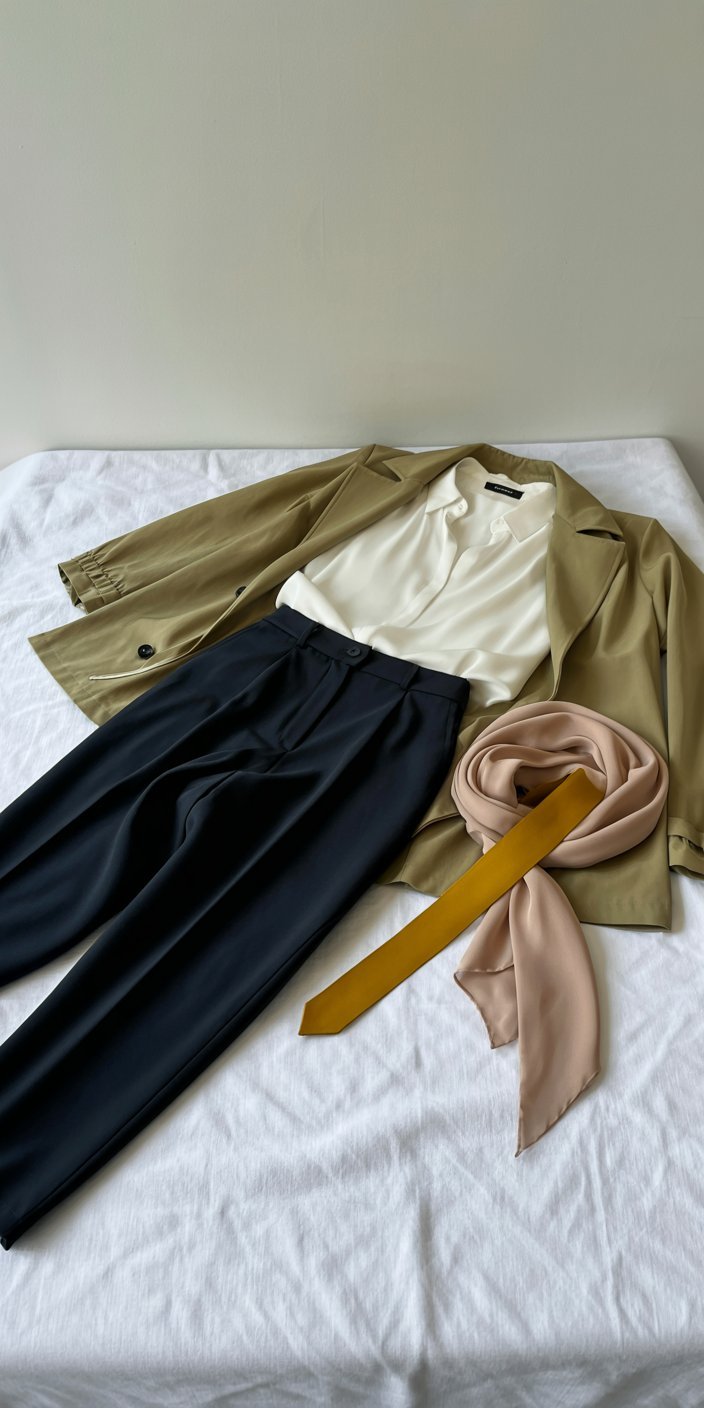
- Choose 3–5 Neutrals: Black, white, navy, beige, and olive form the backbone of a minimalist wardrobe Good On You.
- Add 1–2 Accent Colors: A muted blush, forest green, or soft mustard can add warmth without overwhelming.
- Mix and Match: When every piece shares a base palette, every top pairs with every bottom—maximizing outfit possibilities and minimizing decision fatigue.
Tip 4: Prioritize Fit and Proportion
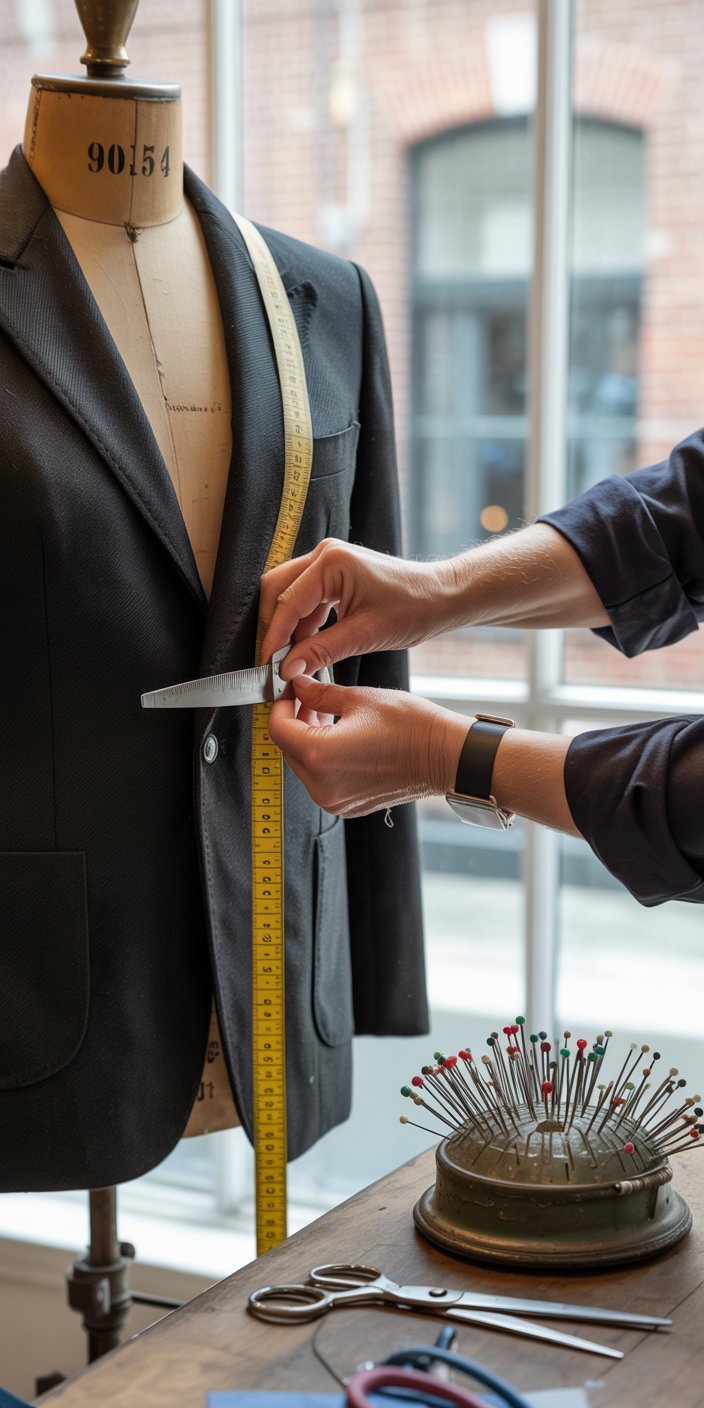
- Why It’s Key: Even the simplest garments look elegant when they fit perfectly.
- Steps to Perfect Fit:
- Know Your Measurements: Bust, waist, hips, and inseam.
- Tailor When Needed: A $30 alteration to hem trousers or nip in a blazer at the waist transforms an off-the-rack item into a bespoke piece.
- Balance Proportions: Pair a loose, oversized sweater with slim jeans, or a cropped top with high-waisted trousers.
Tip 5: Build a Capsule Wardrobe
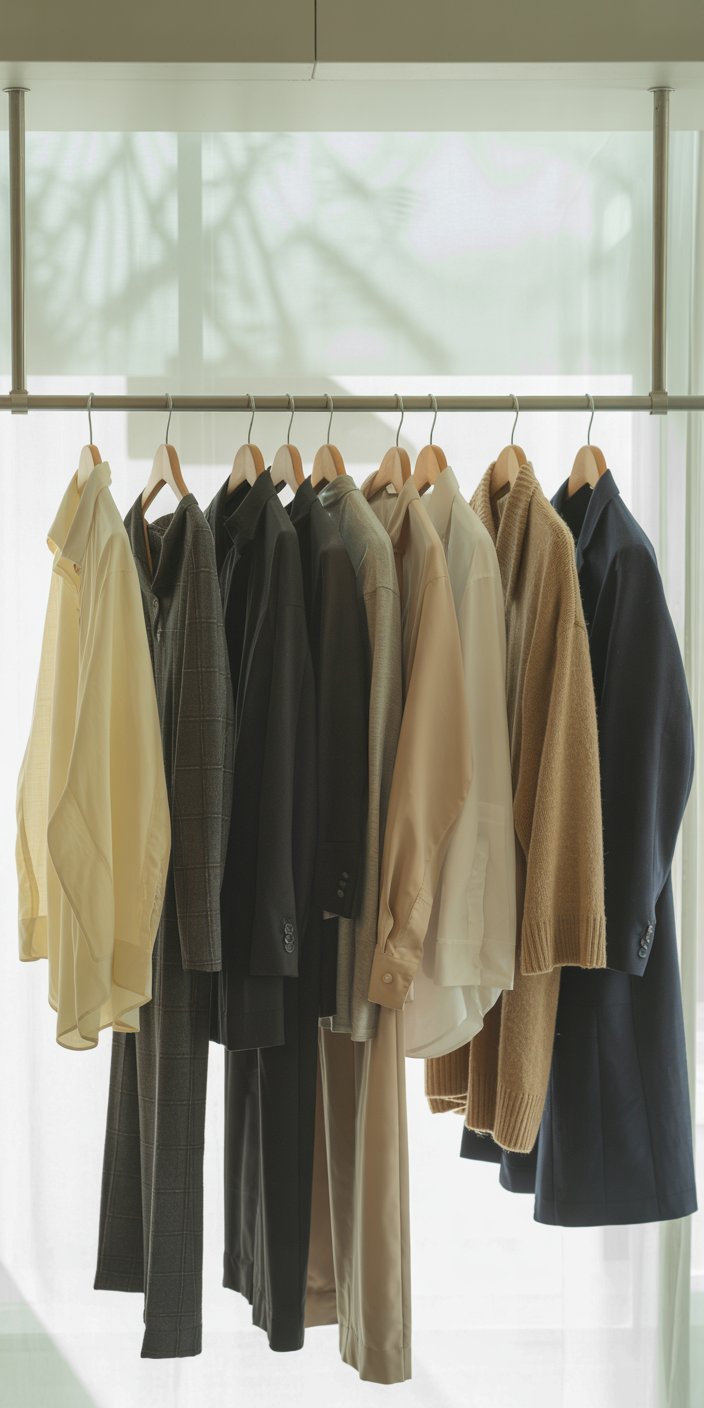
- Definition: A capsule wardrobe is a small, interchangeable collection of timeless pieces that coordinate effortlessly.
- How to Start:
- Select 10–15 core items (tops, bottoms, outerwear).
- Ensure each piece mixes and matches with at least half of the others.
- Rotate seasonally—store off-season items in a separate bin.
- Benefits: Less clutter, faster dressing routines, and a clear sense of personal style.
Tip 6: Accessorize with Intent
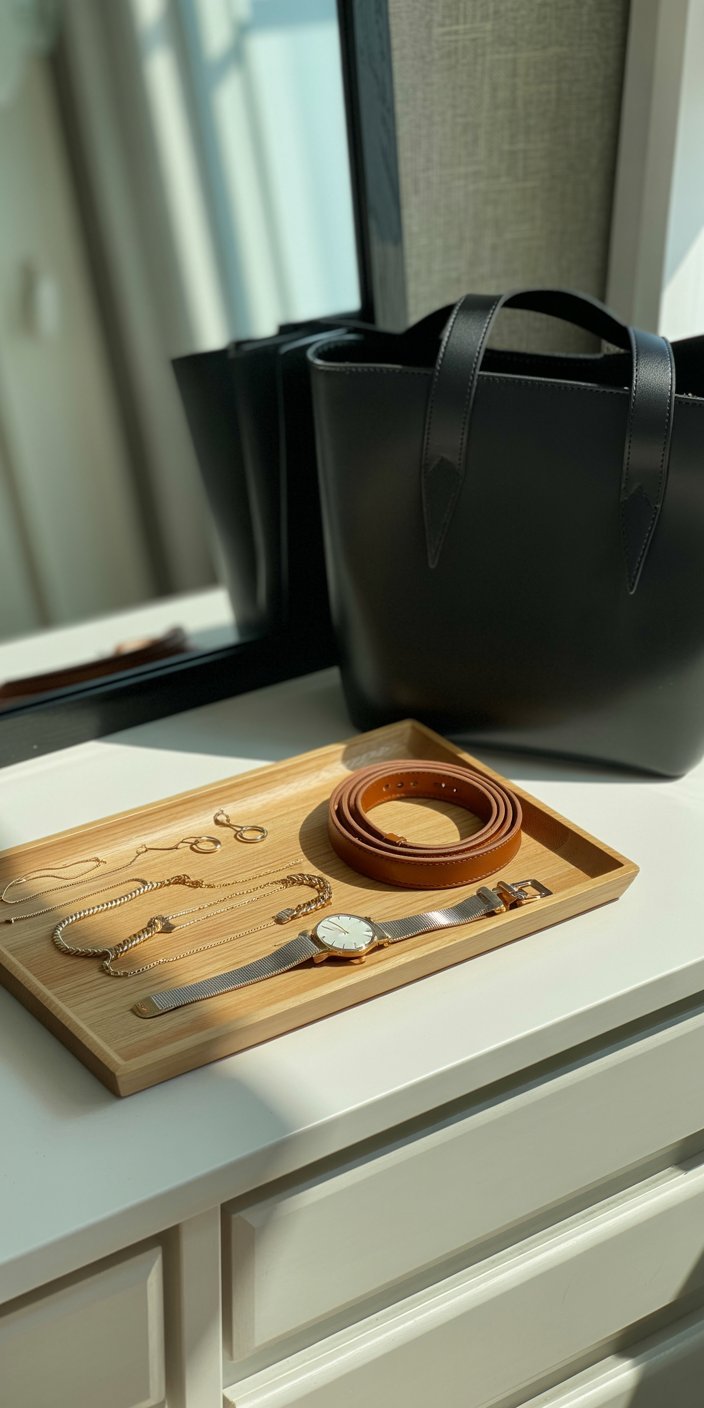
- Minimalist Jewelry: Delicate chains, small hoops, or a simple cuff watch.
- Belts and Bags: A structured leather belt and a streamlined tote can polish any outfit.
- Scarves & Sunglasses: Choose one statement accessory per look—don’t compete for attention.
- Why It Matters: Thoughtful accessories complete an outfit without cluttering it.
Tip 7: Embrace Maintenance and Care
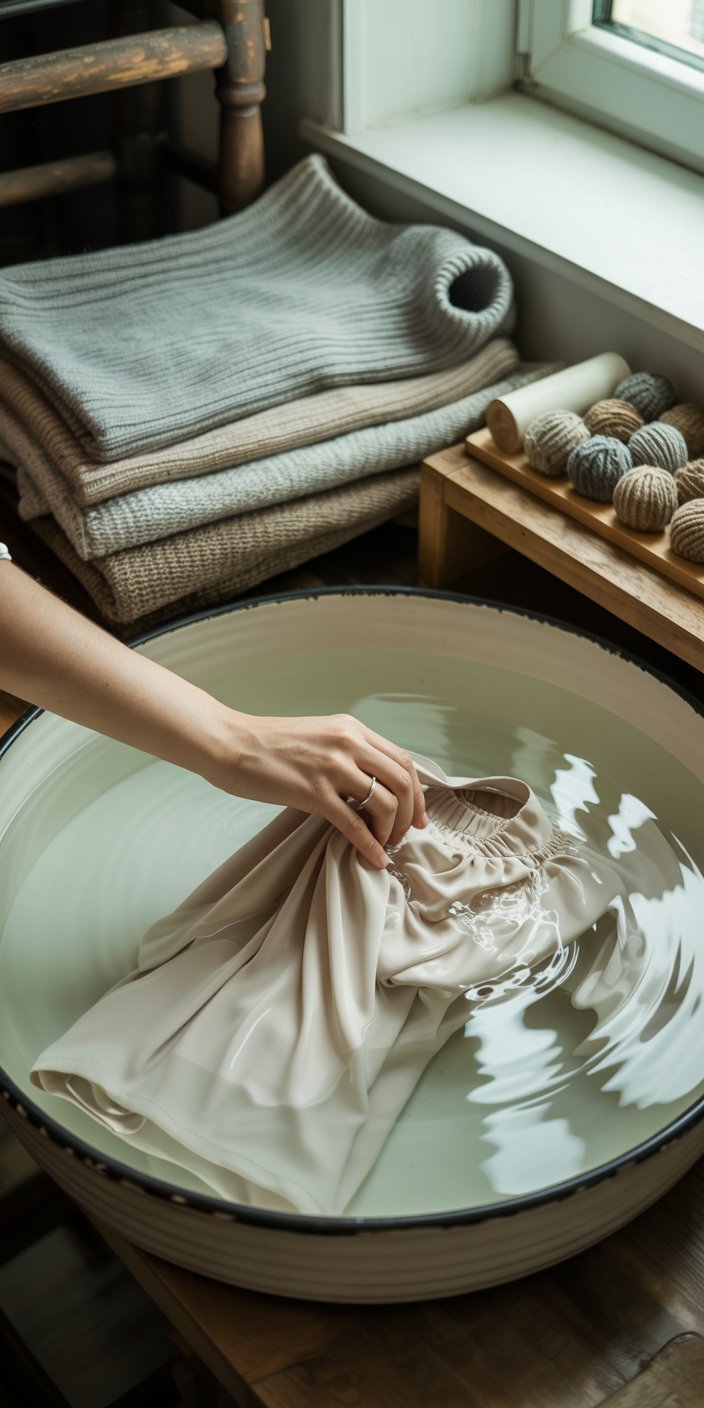
- Why Caring Matters: Even the highest-quality pieces degrade without proper care.
- Care Tips:
- Wash delicate items by hand or on a gentle machine cycle.
- Hang wool and knitwear to dry flat to prevent stretching.
- Store leather in a cool, dry place with cedar balls to deter pests.
- Invest in a lint roller and small sewing kit for on-the-go touch-ups.
Tip 8: Infuse Personal Style
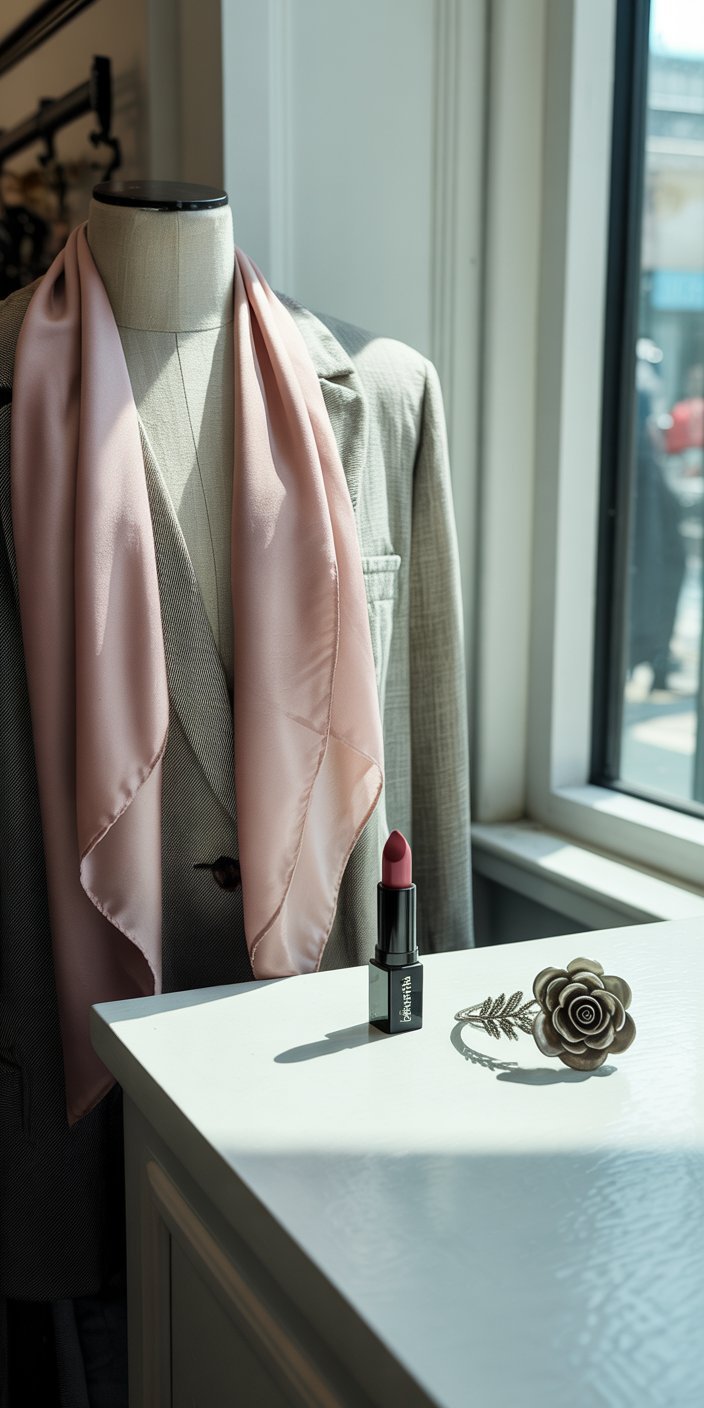
- Make It Yours: Minimalism isn’t about looking identical to everyone else. Add one signature element—red lipstick, a silk scarf, or a unique brooch—to express your personality.
- Experiment Within Limits: Try a patterned blouse in your muted palette or a monochrome look in a bold accent color.
- Document Favorites: Use a style journal or outfit-tracking app to note combinations you love—then wear them again.
4. Details: Step-by-Step Closet Overhaul
- Empty and Edit:
- Remove every item.
- Sort into “Keep,” “Donate,” and “Maybe” boxes.
- Try-On Session:
- In daylight, try on each “Keep” item.
- Ask: “Do I love wearing this?” If no, move to “Donate.”
- Organize Thoughtfully:
- Hang tops by color from dark to light.
- Fold knitwear on shelves to avoid hanger marks.
- Place out-of-season pieces in labeled storage bins.
- Plan Outfits in Advance:
- At the start of each week, lay out three outfits based on your activities.
- Photograph them for easy reference during busy mornings.
- Maintain Regularly:
- Every three months, repeat the edit—remove anything unworn to keep your minimalist wardrobe lean and joyful.
5. FAQ
Q1: What exactly is a minimalist wardrobe?
A minimalist wardrobe is a curated collection of versatile, high-quality pieces—usually neutrals or limited accent colors—that mix and match effortlessly. It emphasizes intentionality over excess, ensuring every item brings you joy and function Good On You.
Q2: How many pieces should a beginner include?
Start with 30–40 core items:
- 10 tops (shirts, blouses, sweaters)
- 8 bottoms (jeans, trousers, skirts)
- 3 outerwear pieces (blazer, coat, lightweight jacket)
- 5 dresses/jumpsuits
- 4 pairs of shoes (flats, sneakers, boots, heels)
- 5 accessories (belts, scarves, jewelry)
This range provides variety without overwhelming choice.
Q3: Can I mix patterns in a minimalist wardrobe?
Yes—if you keep patterns subtle and within your color palette. A thin-striped tee under a neutral blazer or a small-scale polka-dot scarf adds interest without clutter.
6. Conclusion
Building a minimalist wardrobe isn’t about deprivation; it’s an invitation to discover the liberation that comes with wearing only what you love. By decluttering ruthlessly, investing in timeless staples, and infusing each look with personal flair, you’ll wake up excited to dress every morning. Ready to simplify your closet—and your life? Share your biggest minimalist wardrobe challenge in the comments below, subscribe for monthly style guides, and tag us on Instagram with #MyMinimalistWardrobe to inspire others on their journey!