
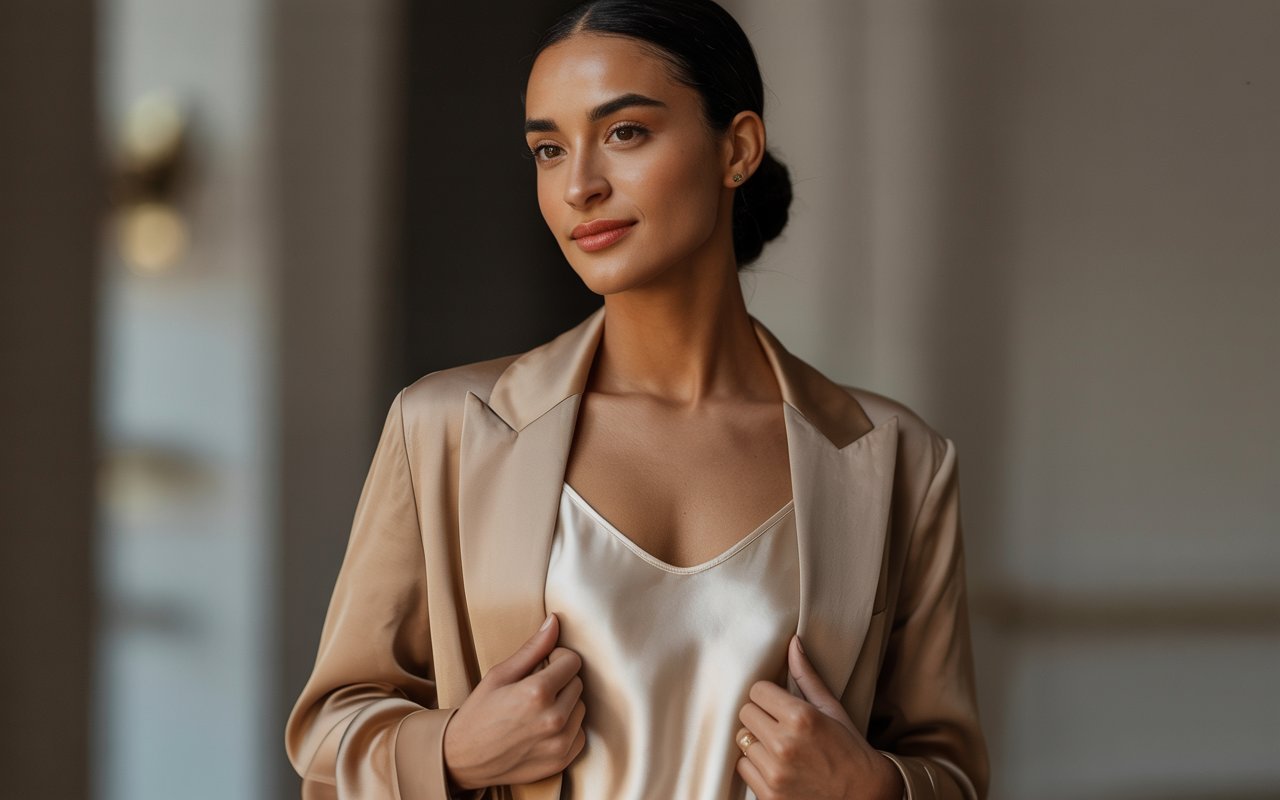
Imagine opening your closet and feeling a surge of calm instead of decision fatigue. That’s the magic of tonal dressing: a curated approach where every piece belongs to the same color family, creating an effortlessly chic, head-to-toe harmony. Whether you gravitate toward muted neutrals or crave a bold monochrome statement, mastering tonal dressing empowers you to look polished in seconds. In this guide, we’ll explore eight expert-approved tips—complete with step-by-step strategies—to transform your daily routine and elevate your wardrobe with the timeless art of tonal dressing.
Why Tonal Dressing Works
Before diving into practical tips, let’s understand why tonal dressing has become a style staple for influencers, designers, and everyday fashion lovers:
- Visual Cohesion: A unified palette creates an uninterrupted line, elongating your silhouette and exuding polish.
- Wardrobe Versatility: Pieces in the same hue family mix and match effortlessly, maximizing outfit options.
- Effortless Sophistication: By narrowing down color choices, you streamline styling decisions—perfect for busy mornings.
- Trend Longevity: While color-blocking trends can come and go, tonal dressing remains a timeless, adaptable formula.
Tip 1: Choose Your Base Hue Wisely
Your tonal journey begins with selecting a base color that complements your skin tone and personal style.

- Warm Undertones: Opt for camel, rust, olive, or mustard.
- Cool Undertones: Lean into slate blue, charcoal gray, mauve, or emerald.
- Universal Neutrals: Black, white, and navy suit nearly everyone and serve as safe starting points.
Pro Tip: Test your chosen hue in daylight. Hold garments near your face—if you glow, you’ve found the right color. If you look washed out, try a shade up or down the spectrum.
Tip 2: Play with Shades and Tints
True tonal dressing thrives on variety within a single color family.
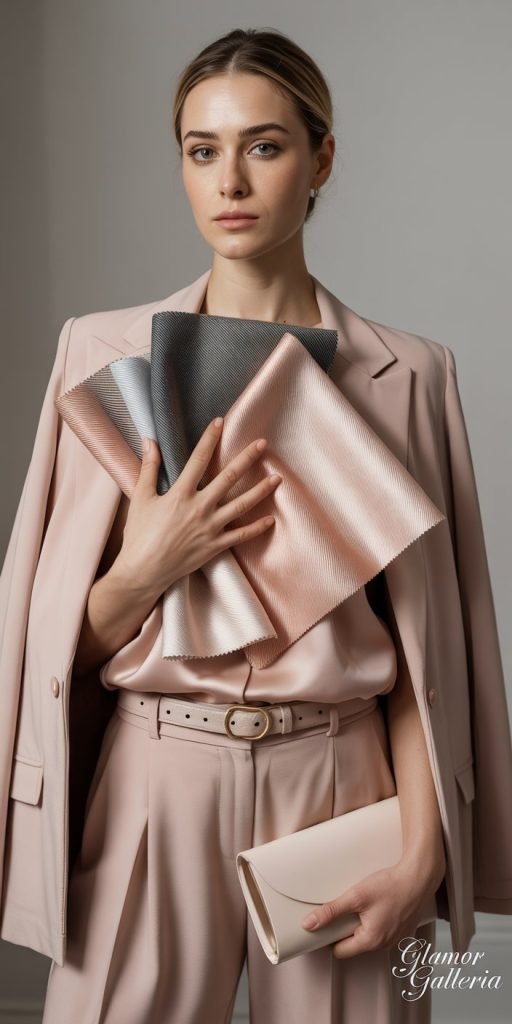
- Shade: Add depth with darker variations (e.g., charcoal vs. dove gray).
- Tint: Keep the look light by incorporating paler versions (e.g., blush vs. dusty rose).
- Balance: Combine two to three tones—keep one dominant, one secondary, and one accent.
Example: A slate-blue blazer (dominant) + sky-blue blouse (secondary) + navy trousers (accent) creates dimension without clashing.
Tip 3: Mix Textures for Visual Interest
Avoid a one-dimensional look by layering contrasting textures:
- Smooth + Nubby: Silk camisole under a bouclé blazer.
- Matte + Shine: Cotton tee with leather pants.
- Light + Heavy: Chiffon skirt paired with a chunky knit.
These textural contrasts keep your ensemble dynamic, ensuring your tonal dressing feels curated, not monotonous.
Tip 4: Anchor with Neutrals
When in doubt, ground your tonal outfit with a neutral accent.
- Belts: A black or tan belt around the waist can break up an all-one-tone look.
- Footwear: Nude, white, or charcoal shoes maintain cohesion while giving your eyes a resting point.
- Bags: A taupe tote or ivory clutch offers practical contrast.
This strategic neutral break enhances the primary hue’s impact without undermining its unity.
Tip 5: Leverage Statement Accessories
Accessories become focal points in tonal dressing by adding pops of personality:
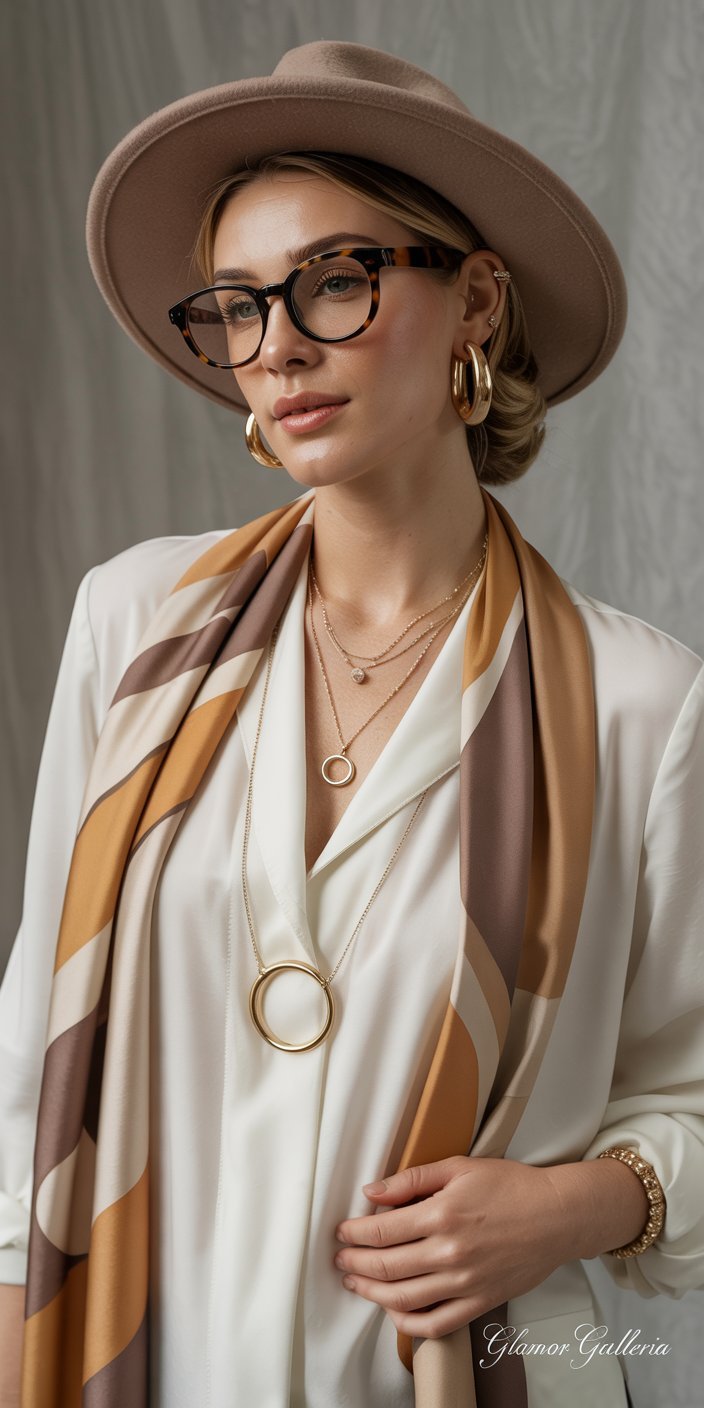
- Jewelry: Gold or silver pieces stand out beautifully against a monochrome canvas.
- Scarves & Hats: A patterned scarf in complementary shades can tie multiple tones together.
- Eyewear: Colored frames (think tortoiseshell or muted pastels) align with your palette while framing your face.
Styling Step: After assembling your core outfit, lay it flat and arrange accessories alongside—this bird’s-eye view helps you confirm cohesion before stepping out.
Tip 6: Embrace Layering for Depth
Layering is your secret weapon when mastering tonal dressing:
- Inner Layer: Start with a basic top or camisole in your lightest shade.
- Mid Layer: Add a cardigan, shirt, or blazer one or two tones darker.
- Outer Layer: Finish with a coat or structured jacket in the deepest hue.
This three-tier system not only provides warmth but also accentuates the beauty of your chosen color spectrum.
Tip 7: Use Prints Sparingly
While tone-on-tone prints can enhance a monochrome look, use them judiciously:
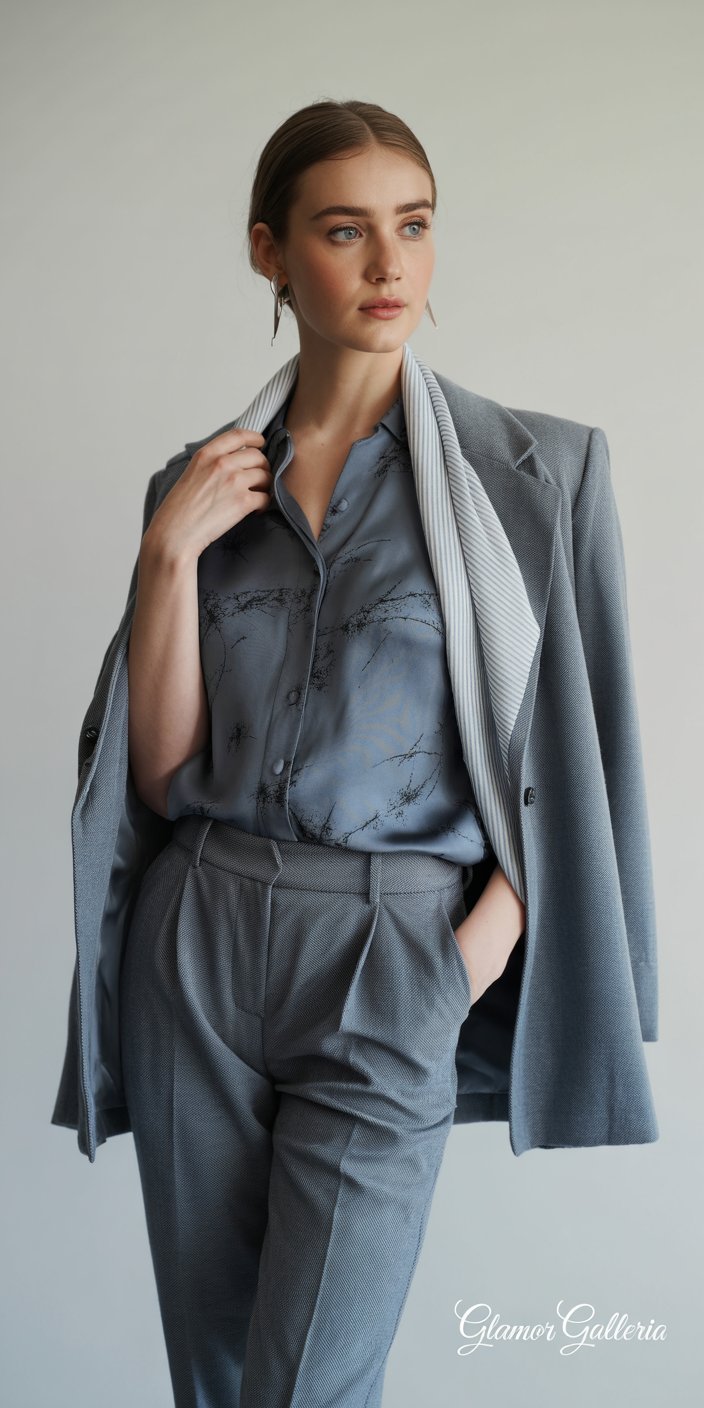
- Subtle Stripes or Checks: A pinstripe shirt in the same color family adds interest without distracting from the overall palette.
- Micro-Prints: Tiny geometric motifs in matching hues read as texture from afar.
- Placement: Reserve prints for a single piece—skirt, scarf, or blouse—to prevent overcrowding.
Remember: the goal of tonal dressing is unity, not chaos.
Tip 8: Master On-the-Go Adjustments
To keep your tonal look flawless throughout the day:
- Travel-Size Touch-Ups: Carry a neutral powder compact and a quick-drying fabric spray to tame shine and wrinkles.
- Compact Accessories: A foldable belt or small clutch can instantly redefine your silhouette.
- Layer Removal: If you face temperature changes, shedding or adding a mid-layer (e.g., cardigan) maintains your tonal integrity without sacrificing comfort.
These micro-adjustments ensure your ensemble remains runway-ready from morning meetings to evening aperitifs.
Detailed, Step-by-Step Styling Routine
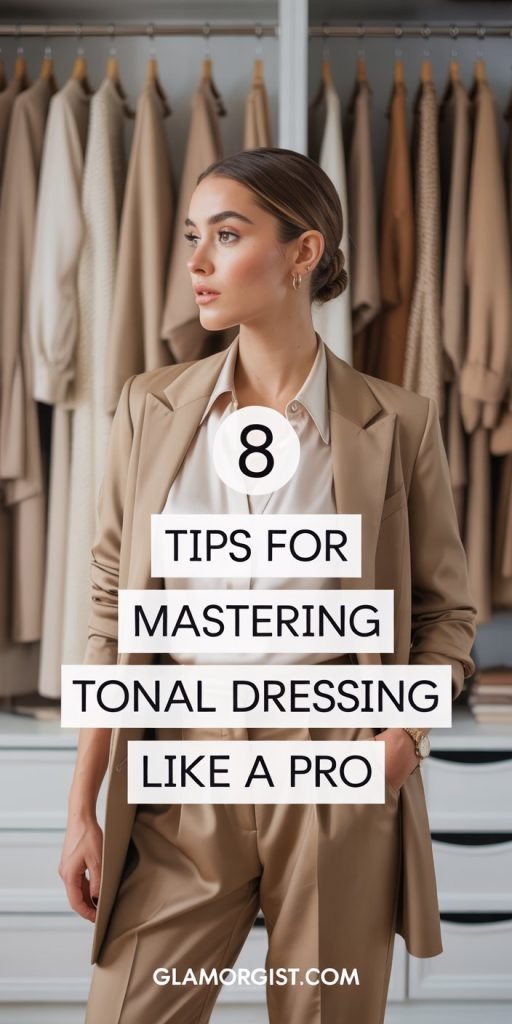
- Plan the Night Before: Lay out pieces in tonal order—light to dark—on your bed or a valet stand.
- Accessorize Intentionally: Group jewelry, belts, and bags by hue so you can quickly mix and match.
- Try a Mirror Selfie Test: Snap a quick photo and review—if one tone overpowers, swap that piece for a closer match.
- Pack a “Plan B” Neutral: Tuck a beige or black scarf into your tote for last-minute layering in unexpected climates.
By following this routine, you’ll refine your eye for nuanced color matching and develop a foolproof system for perfect tonal dressing every time.
FAQ
Q1: What exactly is tonal dressing?
Tonal dressing is a styling method where all garments and accessories fall within the same color family—varying only in shade, tint, or texture—to create a harmonious, head-to-toe look Moss Bros.
Q2: Can I wear tonal dressing in bright or bold colors?
Absolutely! While neutrals like gray, beige, and navy are popular, jewel tones (emerald, sapphire, ruby) and pastels (mint, blush, lilac) offer equally stunning tonal palettes. The key is selecting multiple hues within the chosen family for depth.
Q3: How do I avoid looking “flat” when dressing tonally?
Incorporate varying textures (e.g., leather, silk, knit) and break up solid blocks with subtle pattern or neutral accessories. Layering pieces in different lengths also adds dimension.
Conclusion
Tonal dressing transforms the daily ritual of getting dressed into a moment of creative expression—one where confidence and cohesion reign supreme. By applying these eight expert tips, you’ll simplify your wardrobe decisions, extend outfit possibilities, and cultivate a signature style that turns heads. Ready to master tonal dressing? Share your favorite color palette in the comments, subscribe for more style strategies, and tag your go-to looks with #TonalDressingPro. Your most polished self is just a shade away!