

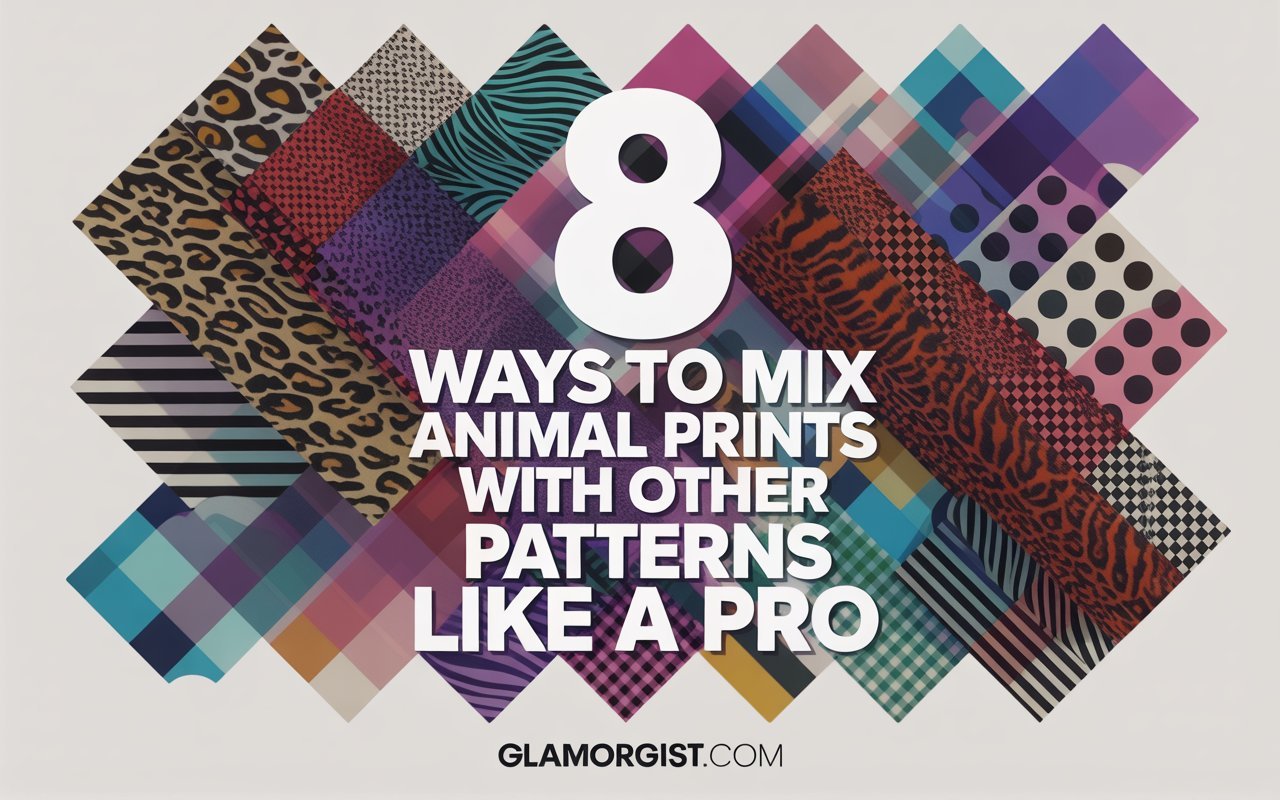
Animal prints—leopard spots, zebra stripes, snakeskin scales—have long been wardrobe staples. Yet pairing them with other patterns can feel intimidating. Will they clash? Is it too loud for daytime? The secret is in balancing scale, color, and fabric. When you learn how to mix animal prints confidently, you transform a basic look into a striking statement. Below are eight foolproof ways to combine animal motifs with different patterns, so you can step out in fearless, fashion-forward style.
1. Stripes + Animal Print

Why it Works: Stripes offer structure and rhythm; animal prints add organic energy. Together, they create an eye-catching contrast.
- Scale: Pair thin pinstripes with a bold leopard-print blouse, or vice versa—a wide-striped blazer over a snakeskin skirt.
- Color Tie-In: Pull a neutral from the animal print (black, tan, white) into the stripes for cohesion.
- Style Tip: Anchor with solid-colored accessories—think black pumps or a cognac belt—to let the patterns shine.
2. Plaid + Animal Print
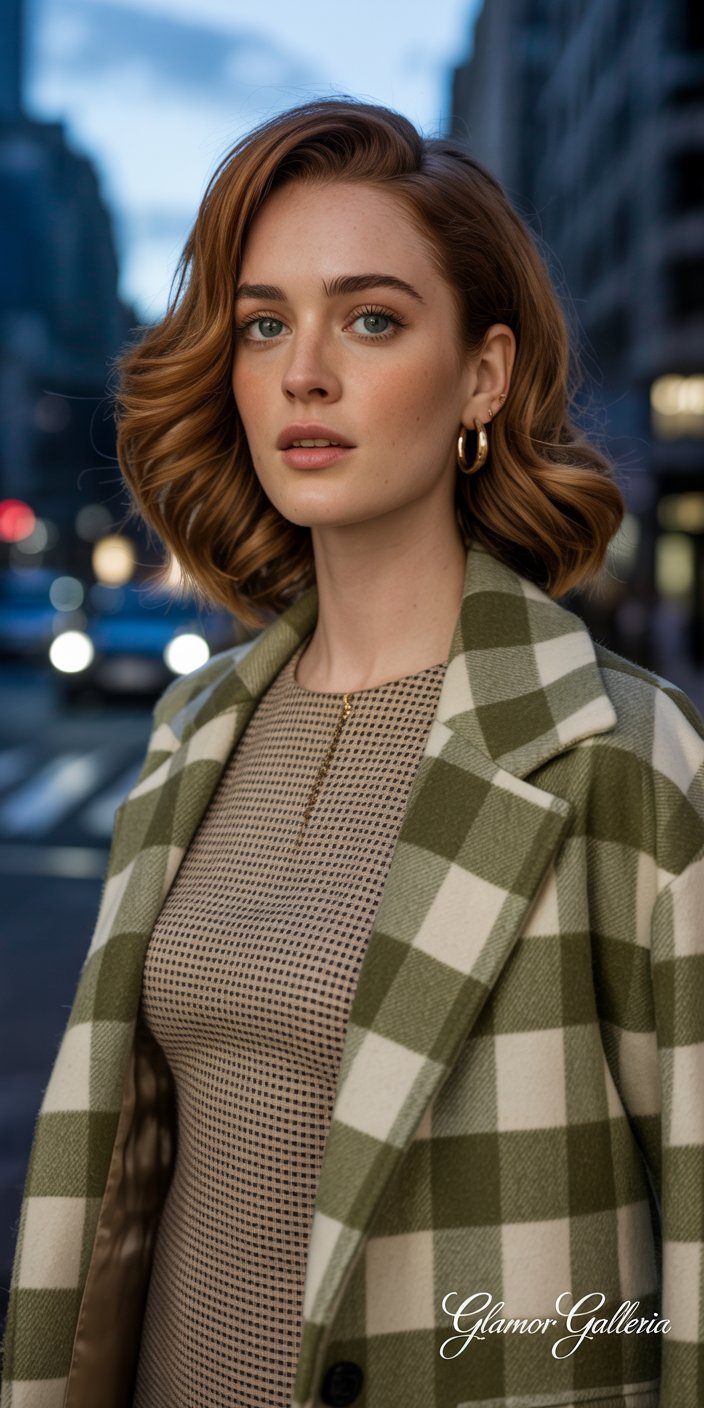
Why it Works: Plaid’s grid offers a geometric foil for the free-form spots or scales of animal prints.
- Scale & Placement: Wear a subtle buffalo-check coat over a leopard-print dress, or introduce plaid in accessories (a tartan scarf with zebra-print boots).
- Color Coordination: Plaids in earthy hues (olive, rust, cream) pair especially well with brown or tan animal prints.
- Pro Tip: Keep your base layer simple (solid top or bottom) if both patterns feel overwhelming at once.
3. Florals + Animal Print
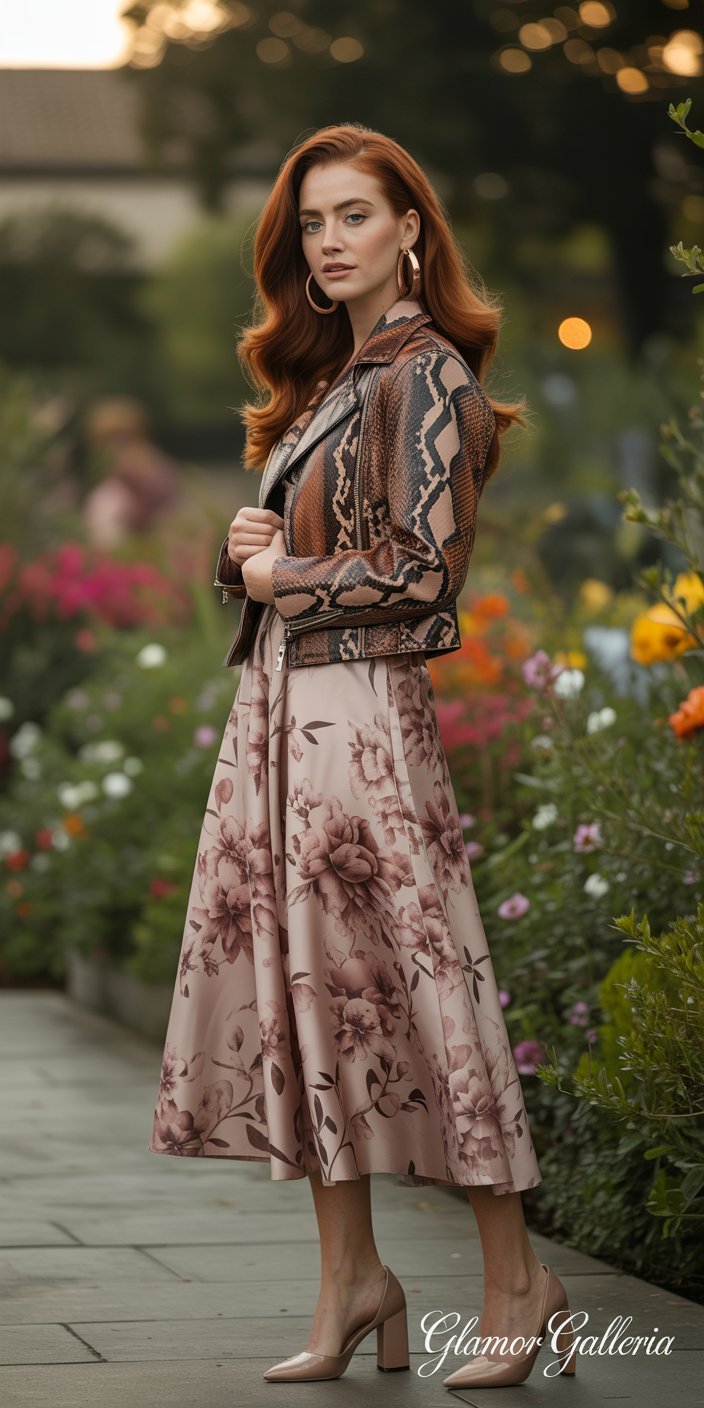
Why it Works: Florals bring femininity; animal prints bring edge. The combination feels unexpected yet harmonious.
- Scale Contrast: A dainty floral skirt looks fresh with a chunkier snake-embossed jacket.
- Shared Palette: Choose florals that echo the animal print’s undertones—rose-gold florals with coppery snake scales, for instance.
- Seasonal Switch: Light, pastel florals with white-and-gray zebra print bloom beautifully in spring and summer.
4. Polka Dots + Animal Print
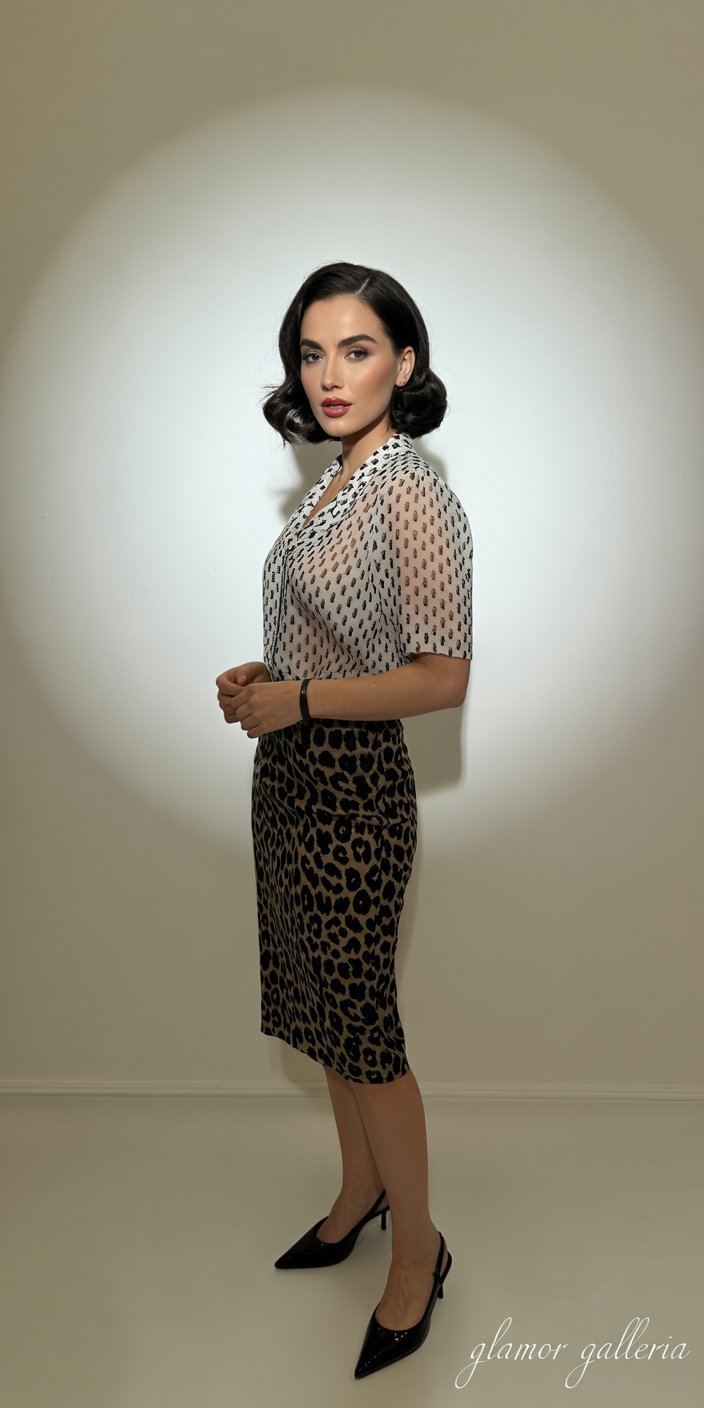
Why it Works: The graphic simplicity of dots pairs neatly with animal irregularity—one pattern softens the other.
- Mixing Tips: Try a micro-dot blouse with a bold cheetah-print skirt. Or dip your toe in by swapping polka-dot heels under a leopard-print dress.
- Monochrome Magic: Black-and-white dots with a black-and-white zebra print make for an easy, high-contrast pairing.
- Styling Hack: Keep jewelry minimal—a pair of studs or a slim bracelet—to avoid competing details.
5. Geometrics + Animal Print
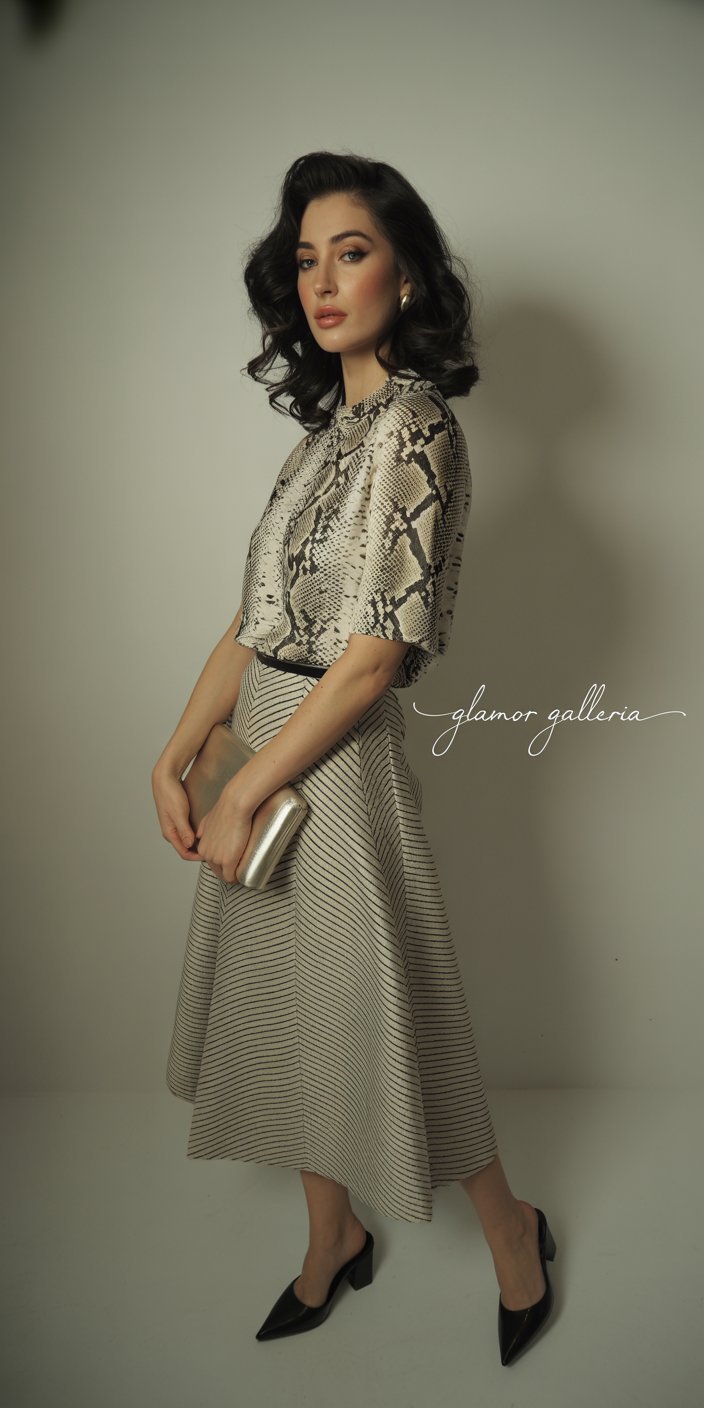
Why it Works: Sharp geometrics (triangles, hexagons, chevrons) create a modern-art vibe alongside animal motifs.
- Scale Play: A chevron-stripe skirt works best with a small-scale python-print top.
- Color Echo: Pull a bright accent (mustard, teal, magenta) through both prints to tie them together.
- Silhouette Simplification: Choose clean lines—straight-leg trousers or shift dresses—so the patterns remain focal.
6. Checks (Gingham/Houndstooth) + Animal Print

Why it Works: Checks read as classic, almost neutral; animal print adds a touch of thrill.
- Gingham Twist: Layer a gingham blazer over a subtle snakeskin tank for professional polish with personality.
- Houndstooth Edge: Pair a houndstooth pencil skirt with a leopard-print blouse, then finish with black pumps.
- Texture Tip: Mixing cotton checks with smooth satin or silk animal-print pieces feels luxe and intentional.
7. Paisley & Abstract Prints + Animal Print
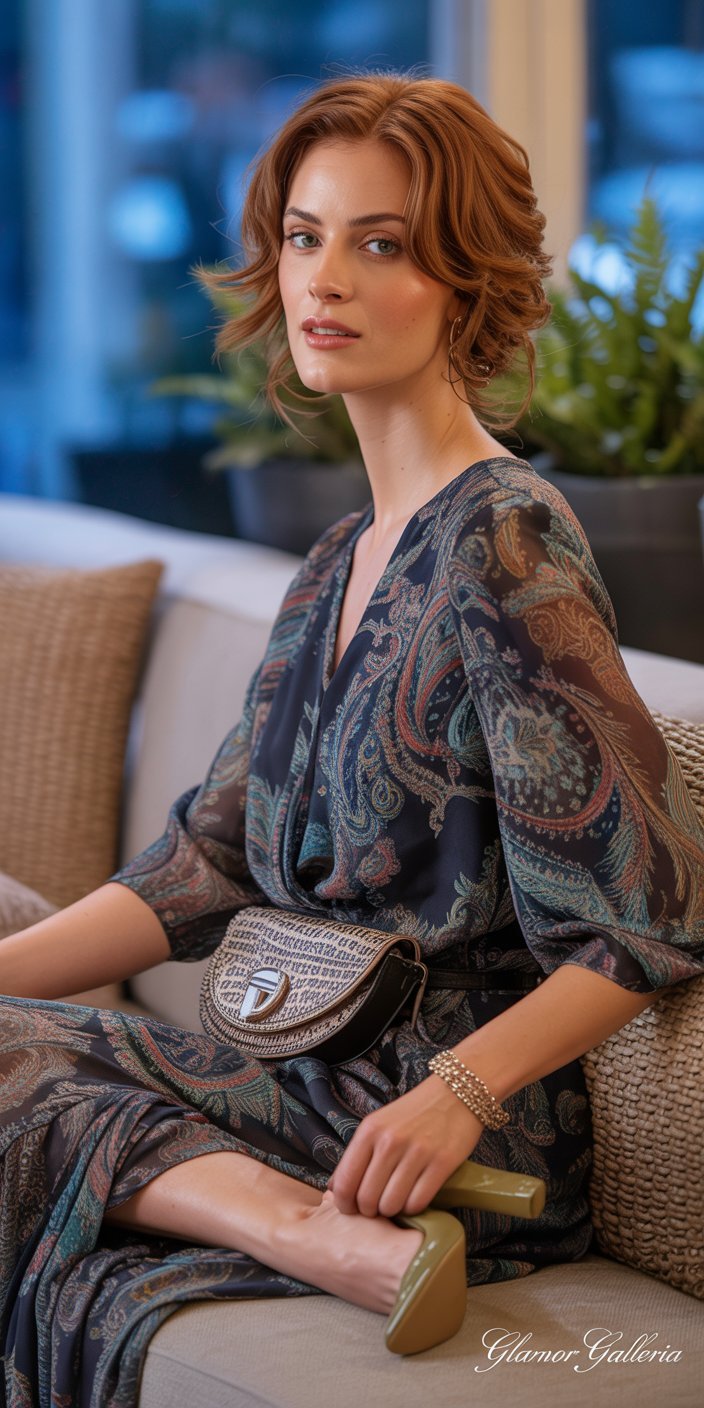
Why it Works: Painterly paisleys and abstract brush-stroke prints bring boho flair, while animal prints keep the look grounded.
- Combining Scales: Let the abstract print be your hero piece, and introduce animal print in smaller doses—shoes, belt, or bag.
- Color Connection: Use a shared accent color—burgundy, navy, olive—to weave the two patterns together.
- Wear-It-Now: A navy-paisley midi dress with a leopard-print clutch transitions seamlessly from desk to dinner.
8. Two Animal Prints + One Supporting Pattern
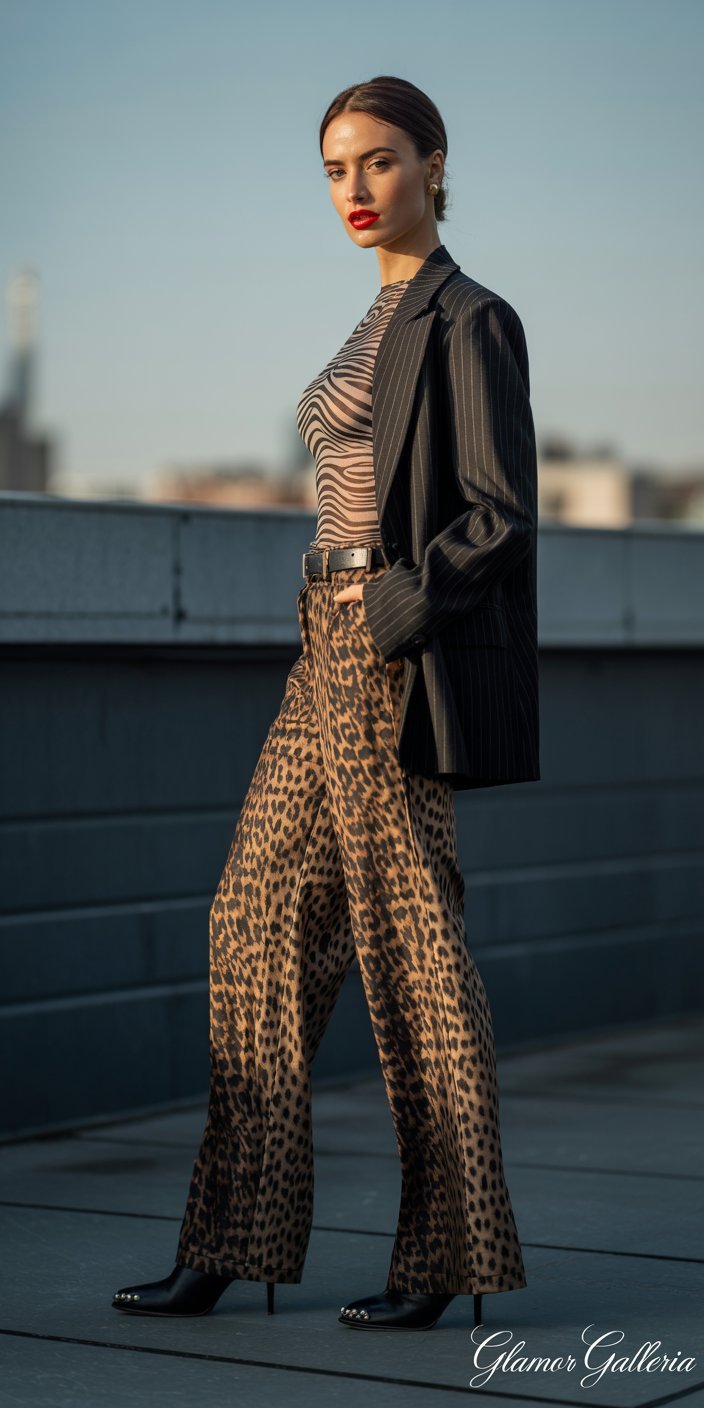
Why it Works: Once you’ve mastered two prints, you can layer them—for example, leopard + zebra—then soften the mix with a third, more subdued pattern.
- Execution: Wear wide-leg leopard trousers with a fitted zebra-print top, then anchor with a pinstriped blazer.
- Balance Rule: Ensure one animal print dominates (larger scale), and the supporting pattern remains small or contained.
- Neutral Break: Add a solid-color layer (camel coat or black cardigan) to give the eye a place to rest.
Final Tips for Mixing with Confidence
- Photograph and Assess: A quick mirror selfie often reveals imbalances you might miss in real time.
- Limit Color Palette: Three colors max across all patterns keeps the look tidy.
- Mind Fabric Weights: Smooth satins mix better with cotton prints than heavy knits.
- Own Your Look: Wear each outfit with conviction—confidence is the ultimate style multiplier.
Call to Action
Ready to turn heads with daring pattern play? Share your favorite animal-print combo in the comments below, tag us on Instagram with your boldest mixes using #MixAnimalPrints, and subscribe for more expert styling tips. Your print-mixing journey starts now!