
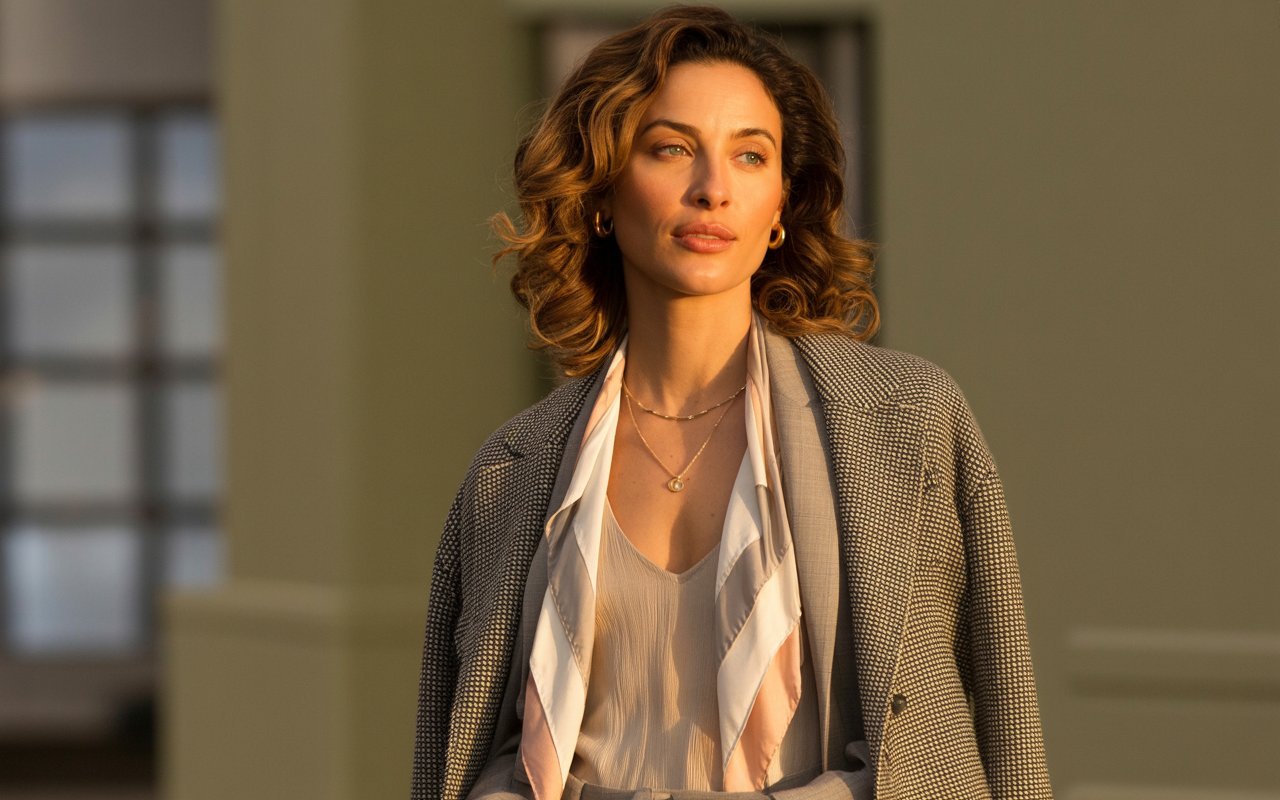
There’s something deeply satisfying about a minimalist wardrobe: clean lines, understated color palettes, and the liberating simplicity of owning fewer, better-quality pieces. Yet even the most carefully curated capsule collection can lean toward looking flat or repetitive. How, then, can you breathe fresh life into those quiet neutrals without sacrificing minimalism’s core appeal? In this article, we’ll explore 10 expertly crafted minimalist outfit ideas—each an exercise in texture, layering, and subtle detail—to help you transform simplicity into sophisticated style. Along the way, you’ll discover practical, step-by-step guidance for mixing fabrics, proportions, and accessories that keep your look both sleek and interesting.
1. Monochrome with Contrasting Textures
Why it works: Dressing head-to-toe in neutral tones can sometimes read as flat—unless you vary the textures. Combining matte and lustrous finishes, or soft knits with crisp cottons, adds depth and visual interest.

How to do it:
- Start with a foundation piece: e.g., a cream cashmere sweater.
- Add a contrasting knit: Layer a ribbed wool vest in the same hue family.
- Finish with a sleek bottom: Choose ivory silk trousers or tailored cream chinos.
- Accessorize sparingly: A matte leather belt and suede ankle boots complete the tonal play.
2. Oversized Blazer + Slim Layer Beneath
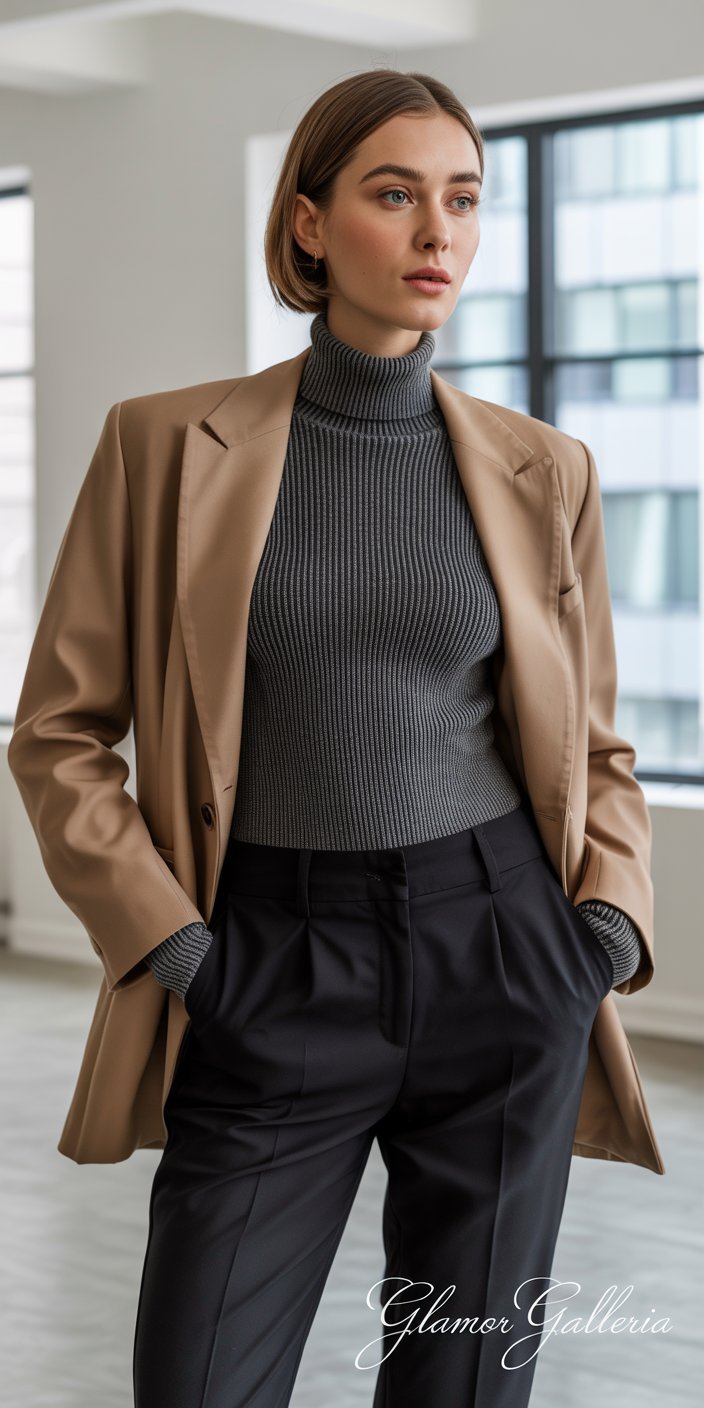
Why it works: The juxtaposition of voluminous outer layers with streamlined under-layers creates a balanced silhouette that reads contemporary and intentional.
Step-by-step:
- Pick a structured blazer: Opt for a boxy blazer in black or camel.
- Layer a fitted tee or turtleneck: A fine-rib knit top in a complementary neutral (e.g., charcoal under black).
- Choose slim bottoms: Skinny jeans or cigarette trousers keep the focus on the layering.
- Tip: Cuff your sleeves to reveal the underlayer’s texture—ribbed cuffs or rolled cotton sleeves.
3. Textured Midi Skirt + Soft Knit
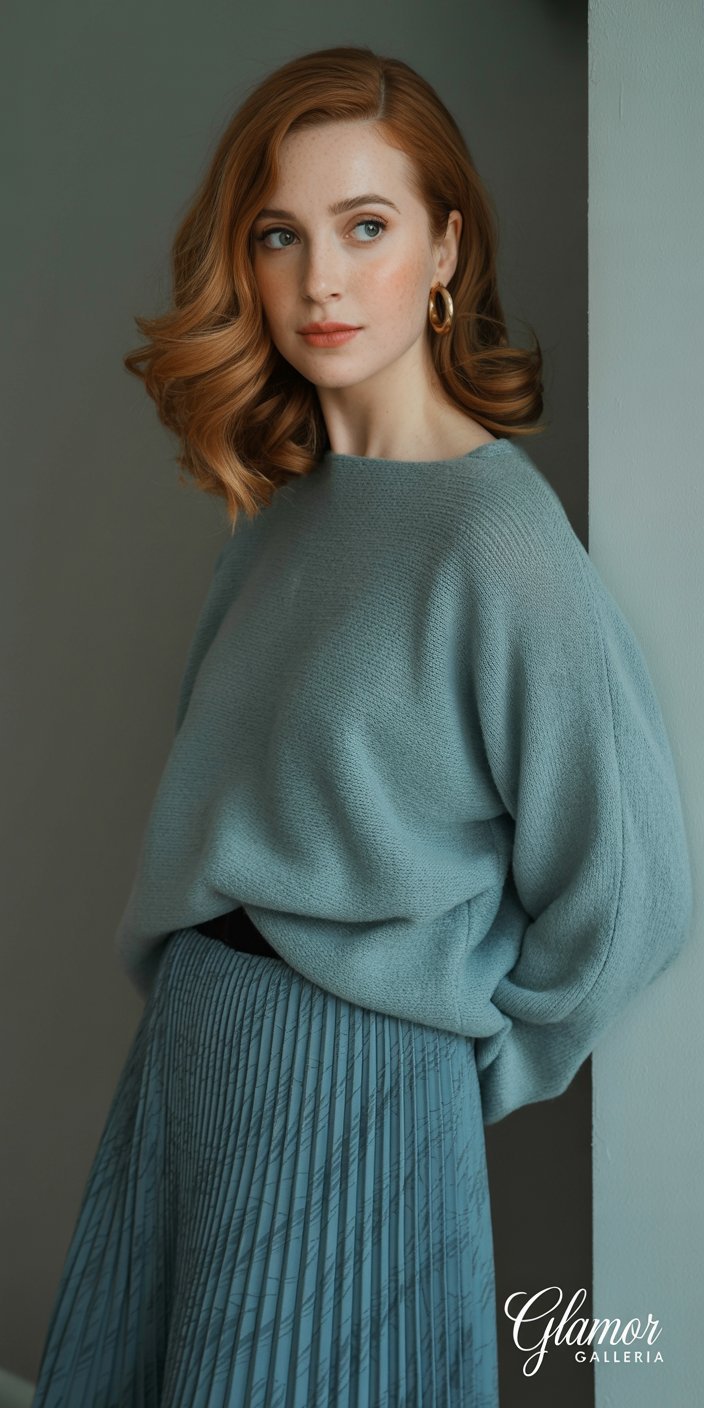
Why it works: A midi skirt with pleats or a subtle jacquard pattern adds movement and interest, while a cozy knit anchors the look in minimal simplicity.
Practical tips:
- Select a skirt with built-in texture: Pleats, ribbing, or a slight sheen.
- Balance proportions: Tuck in a slightly slouchy merino wool sweater.
- Shoe strategy: Pointed-toe flats or block-heel mules elevate the ensemble without overwhelming it.
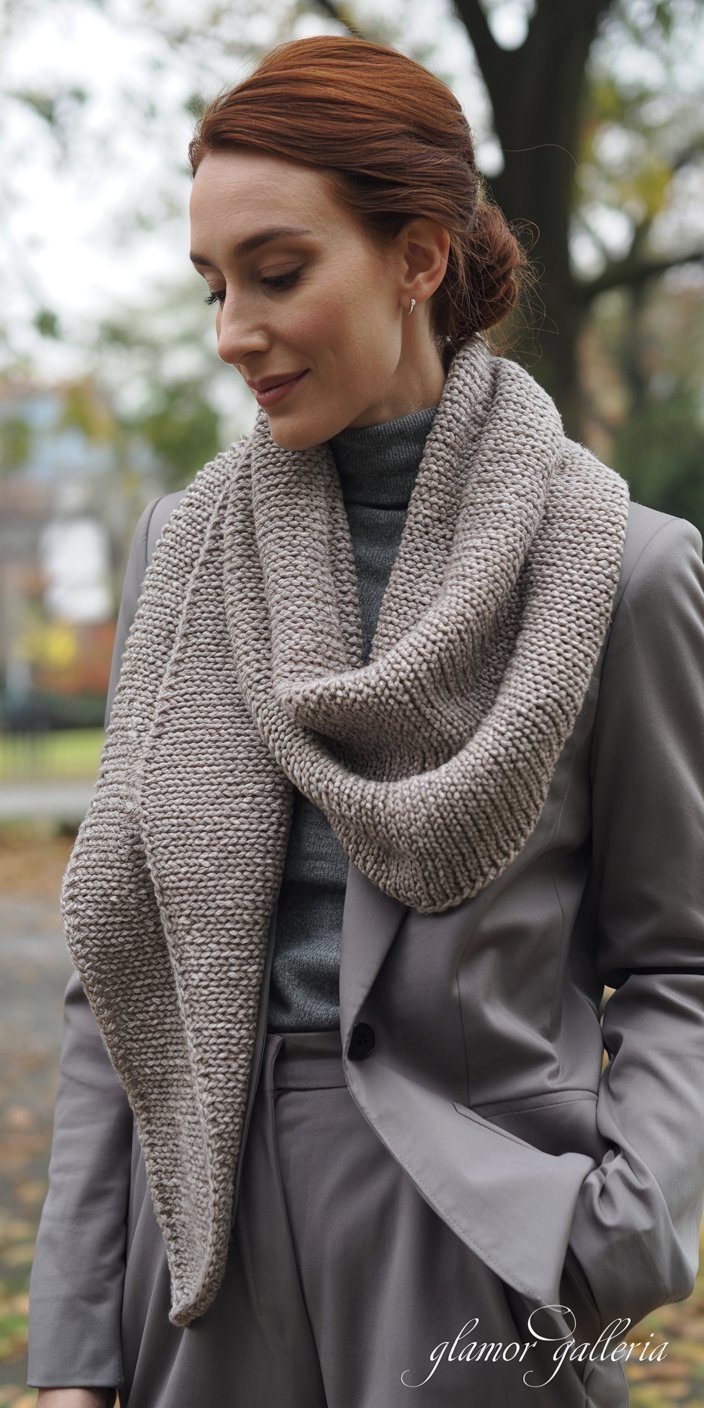
4. Scarf as Statement Layer
Why it works: A well-chosen scarf can act as both texture provider and focal point, drawing the eye and breaking up solid expanses of color.
How to integrate:
- Choose a scarf in a tactile fabric: Consider chunky knit, silk with a subtle weave, or faux shearling.
- Drape strategically: Try a loose loop around the neck, letting ends hang asymmetrically to showcase the texture.
- Coordinate: Match the scarf’s base tone to your outfit, so the texture rather than color steals the spotlight.
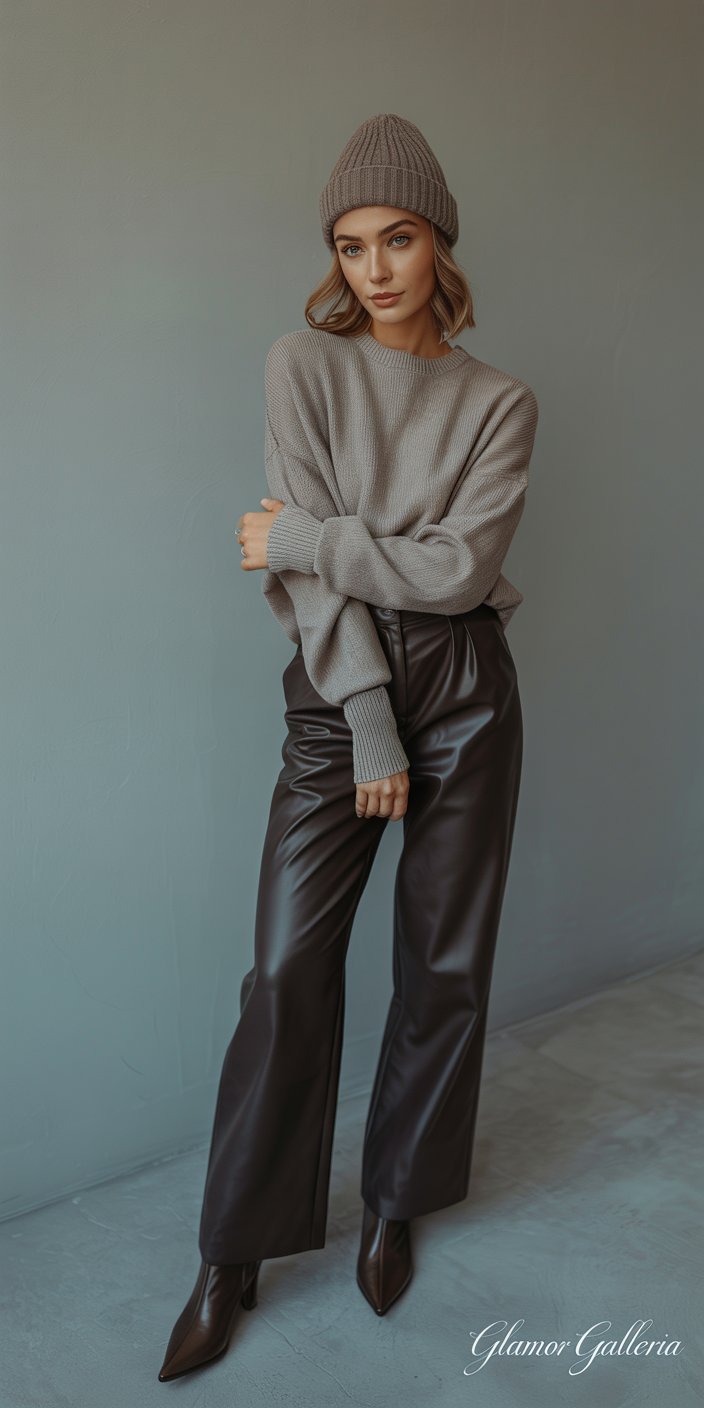
5. Leather & Knit Combo
Why it works: Leather brings an edgy contrast to the softness of knits, creating a deluxe sensory pairing.
Step-by-steps:
- Start with a neutral knit base: A light taupe or oatmeal sweater.
- Add leather trousers or skirt: Opt for high-waisted, wide-leg leather pants or a pencil skirt.
- Seal with knit accessories: A ribbed beanie or fingerless gloves echoes the knit base.
- Finish with boots: Leather ankle boots reinforce the material mix.
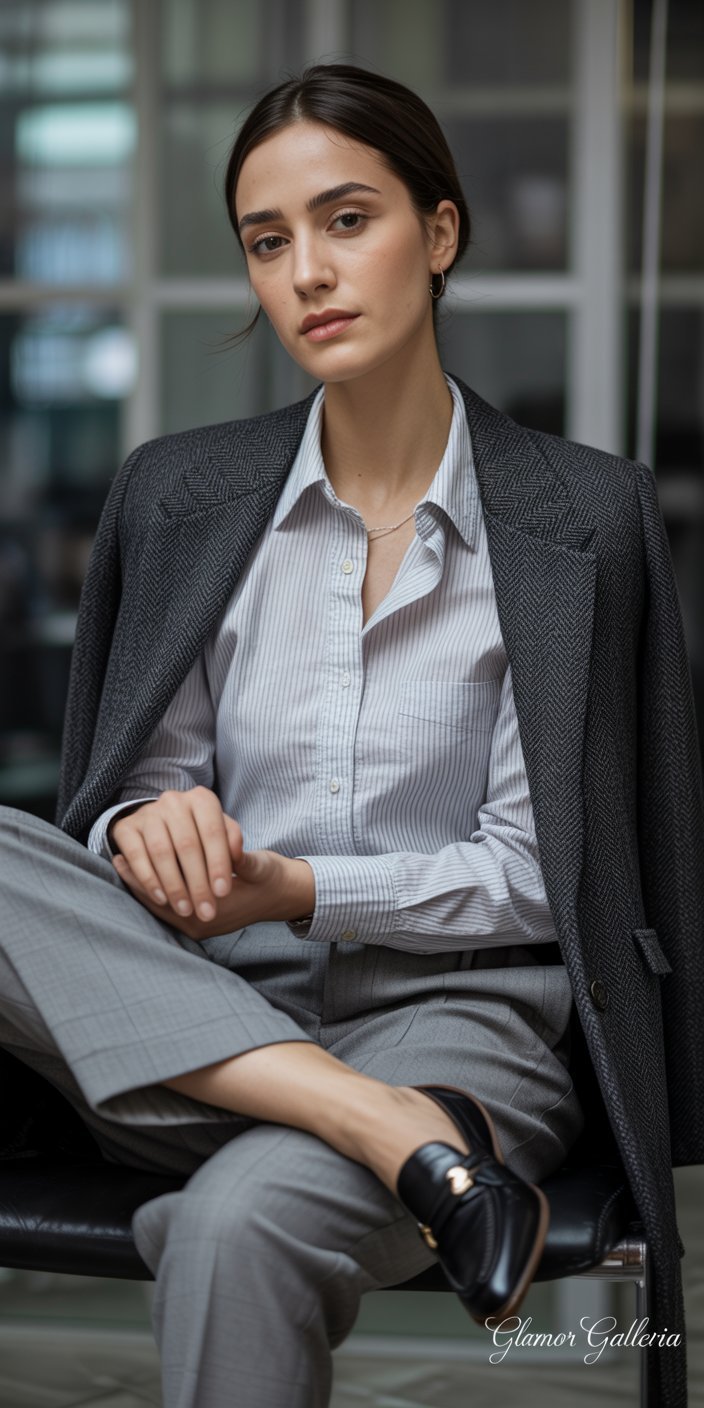
6. Subtle Pattern Mixing in Neutrals
Why it works: Minimalist doesn’t mean avoiding patterns entirely—tone-on-tone stripes or tiny dots can introduce subtle texture.
How to do it:
- Select complementary patterns: A pinstripe shirt under a herringbone blazer, both in the same color family.
- Keep contrast low: Ensure the patterns vary in scale—a small micro-print with a wider stripe.
- Maintain color cohesion: Stick to two neutrals (e.g., charcoal and light gray) to avoid visual clutter.
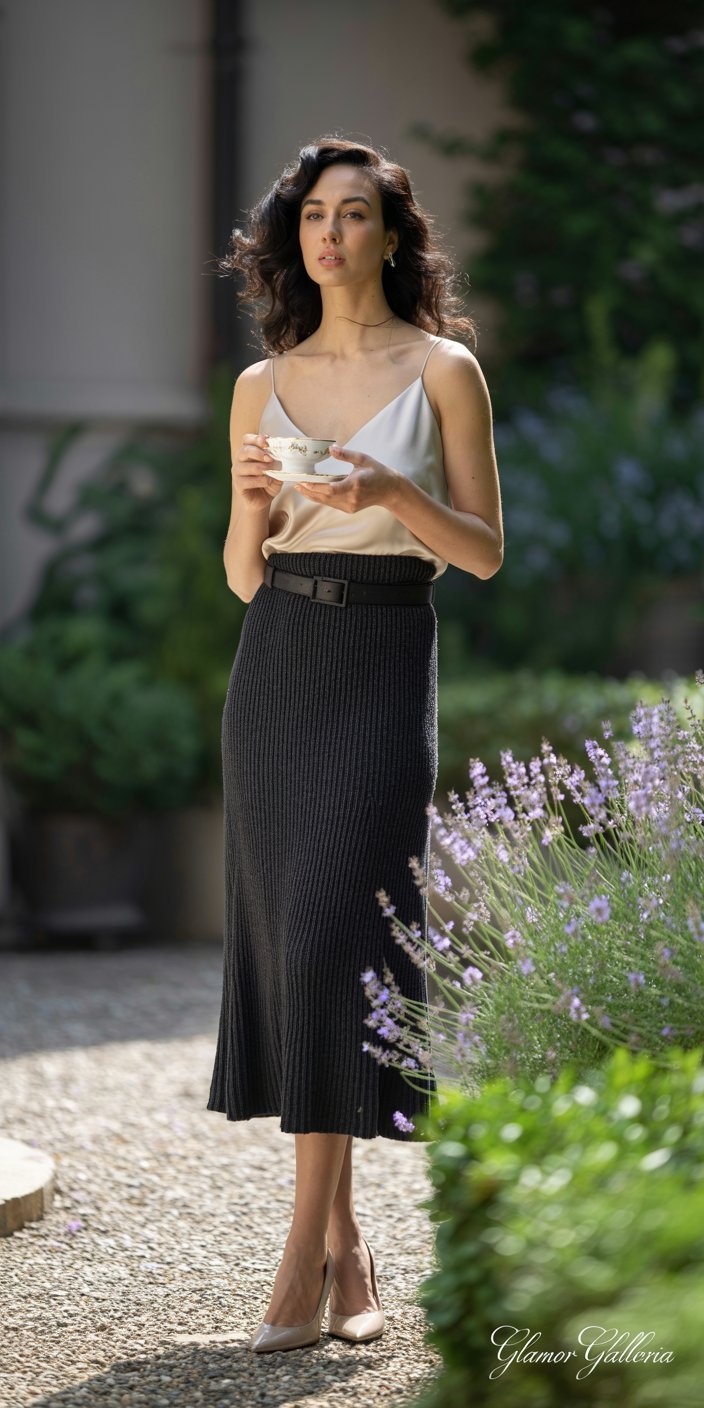
7. Layered Dresses for Dimension
Why it works: Wearing two dresses—one as an underlayer and one as the top layer—creates a fluid, multi-layered silhouette that feels both effortless and intentional.
Practical application:
- Underlayer: A slip dress in silk or satin.
- Top layer: A knit midi dress or sleeveless shift.
- Adjust length: Choose dresses with differing hems so both pieces peek out.
- Accessorize: A narrow waist belt defines the silhouette and holds layers in place.
8. Structured Coat + Draped Scarf
Why it works: A classic, tailored coat paired with a loosely draped scarf marries crisp structure with soft movement.
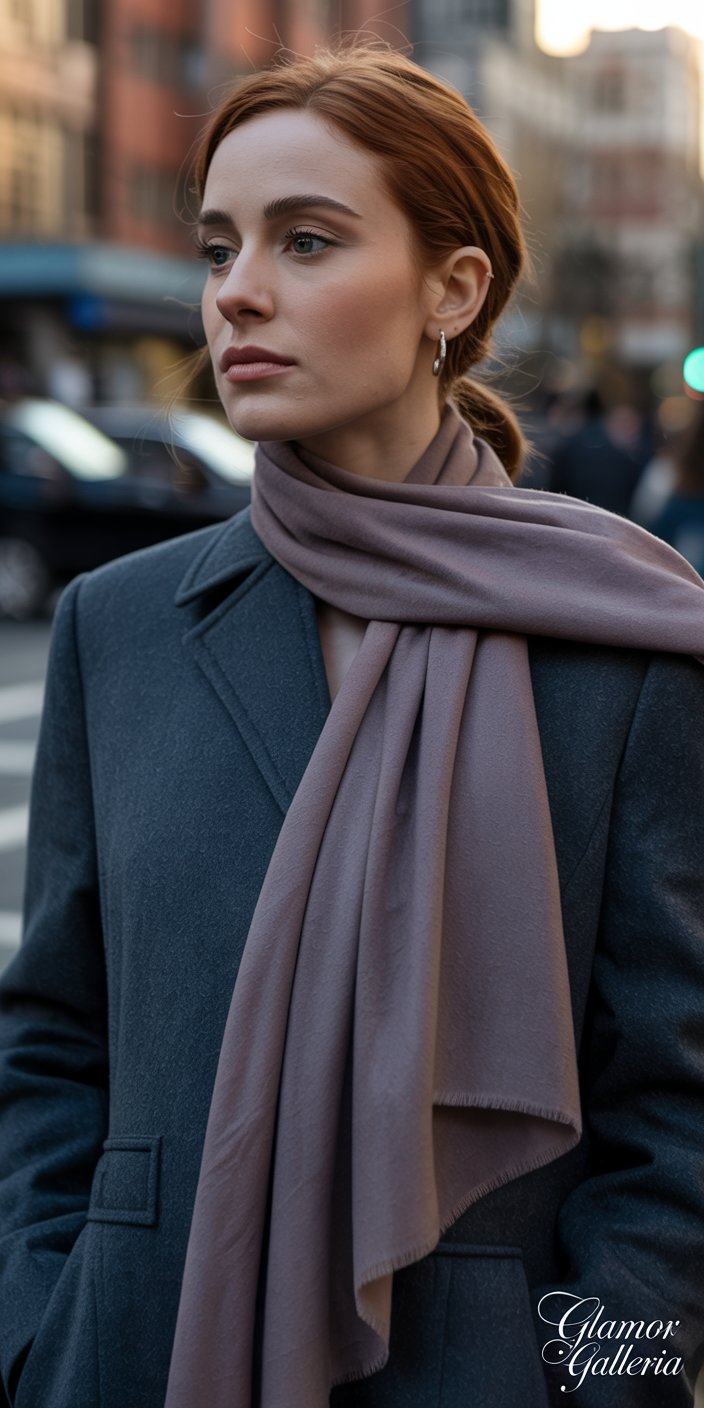
Tips for success:
- Coat choice: A single-breasted wool coat in charcoal, navy, or camel.
- Scarf fabric: Choose an ultrasoft cashmere or mohair blend in the same tonal family.
- Drape technique: Loop once around the neck, then let one end hang significantly longer for an intentionally undone look.
9. Play with Fabric Contrast: Linen & Wool
Why it works: Pairing summer-weight fabrics like linen with winter classics like wool creates unexpected textural harmony.
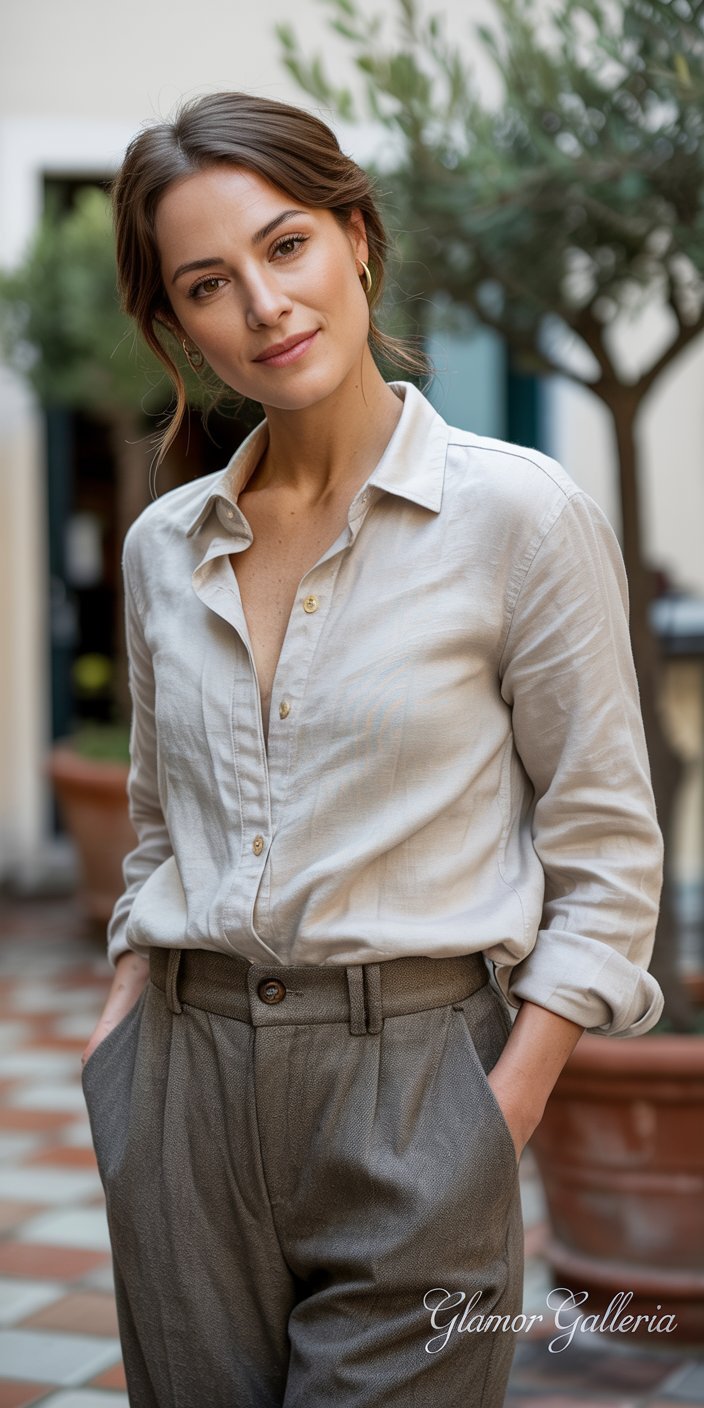
Step-by-steps:
- Linen top: A relaxed linen button-down in off-white.
- Wool bottom: High-waisted wool trousers in a muted gray.
- Layer in between: A thin cashmere vest or silk camisole.
- Styling note: Roll cuffs and sleeves to reveal linen’s natural slub texture.
10. Minimalist Accessories with Textural Punch
Why it works: Even the simplest outfits benefit enormously from accessories that contribute texture rather than color or pattern.
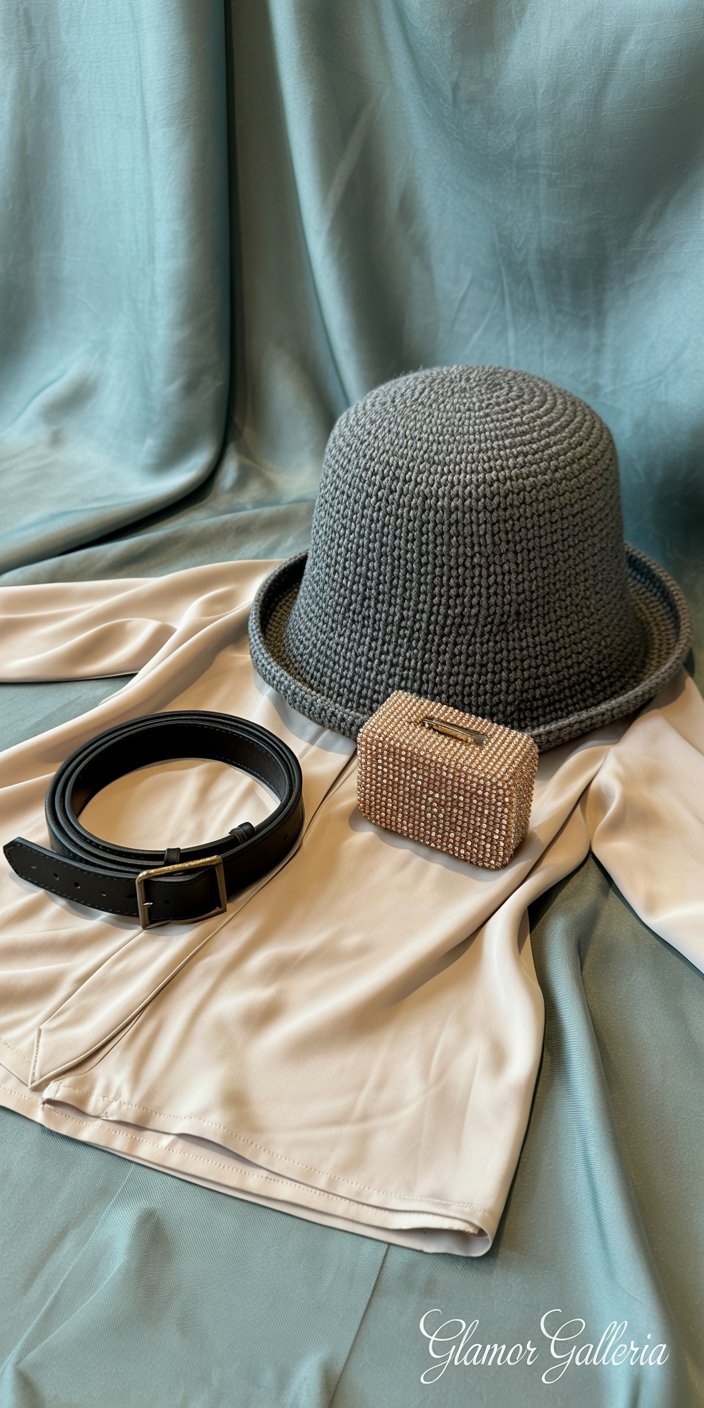
Accessory ideas:
- Woven leather belt: Adds subtle pattern and tactility to a monochrome look.
- Knitted bucket hat: Offers cozy texture without overpowering.
- Beaded clutch or box purse: Incorporates small-scale texture contrast.
- Metal hardware: Matte-finish buckles or clasps can feel textural against smooth fabrics.
Frequently Asked Questions
1. What fabrics work best for adding texture to a minimalist outfit?
To achieve textural interest, pair fabrics like cashmere, ribbed knits, bouclé, or faux shearling with smoother materials such as silk, satin, or finely woven cotton. Leather and suede are also excellent contrast fabrics that maintain a neutral palette.
2. How can I layer without looking bulky?
Focus on thin, lightweight underlayers (like fitted tees or fine-gauge knits) and reserve bulkier pieces (oversized blazers, chunky sweaters) for the outermost layers. Keep color contrasts subtle and stick to fabrics that drape well, ensuring each layer adds dimension without overwhelming your frame.
3. Can I incorporate color while staying minimalist?
Absolutely. The minimalist ethos is more about intentionality and restraint than strict neutrality. Introduce a single muted hue—think dusty rose, olive, or navy—while keeping all other pieces in your chosen neutral palette. This limited color pop can feel fresh yet still restrained.
Conclusion
By weaving in varied textures and strategically layering your favorite neutral pieces, you can transform even the simplest wardrobe staples into endlessly engaging looks. Whether you’re experimenting with a rib-knit cardigan under a leather jacket or pairing a silky slip dress with a chunky wool sweater, each minimalist outfit idea here proves that small details make a big impact.
Ready to refresh your capsule wardrobe? Share your favorite texture or layering tip in the comments below, subscribe for more style inspiration, and try out one of these 10 ideas the next time you get dressed. Your minimalist closet never looked so dynamic!