

You’ve stood in front of your closet, staring at a sea of fabrics and wondered how to elevate your look beyond basic solids. Learning how to mix textures in outfits isn’t just a styling trick—it’s a way to express your personal flair, add depth, and transform simple pieces into head-turning ensembles. When you combine smooth, rough, shiny, and matte fabrics thoughtfully, your outfit tells a story of contrast and harmony. Whether you’re dressing for a casual brunch or an important presentation, mastering texture mixing can take your style from flat to fabulously layered.
Below are five beginner-friendly tips to help you confidently blend fabrics, with step-by-step guidance and real-life examples. By the end, you’ll know how to mix textures like a pro and reinvent your wardrobe staples into dynamic, fashion-forward combinations.
1. Build on a Neutral Base
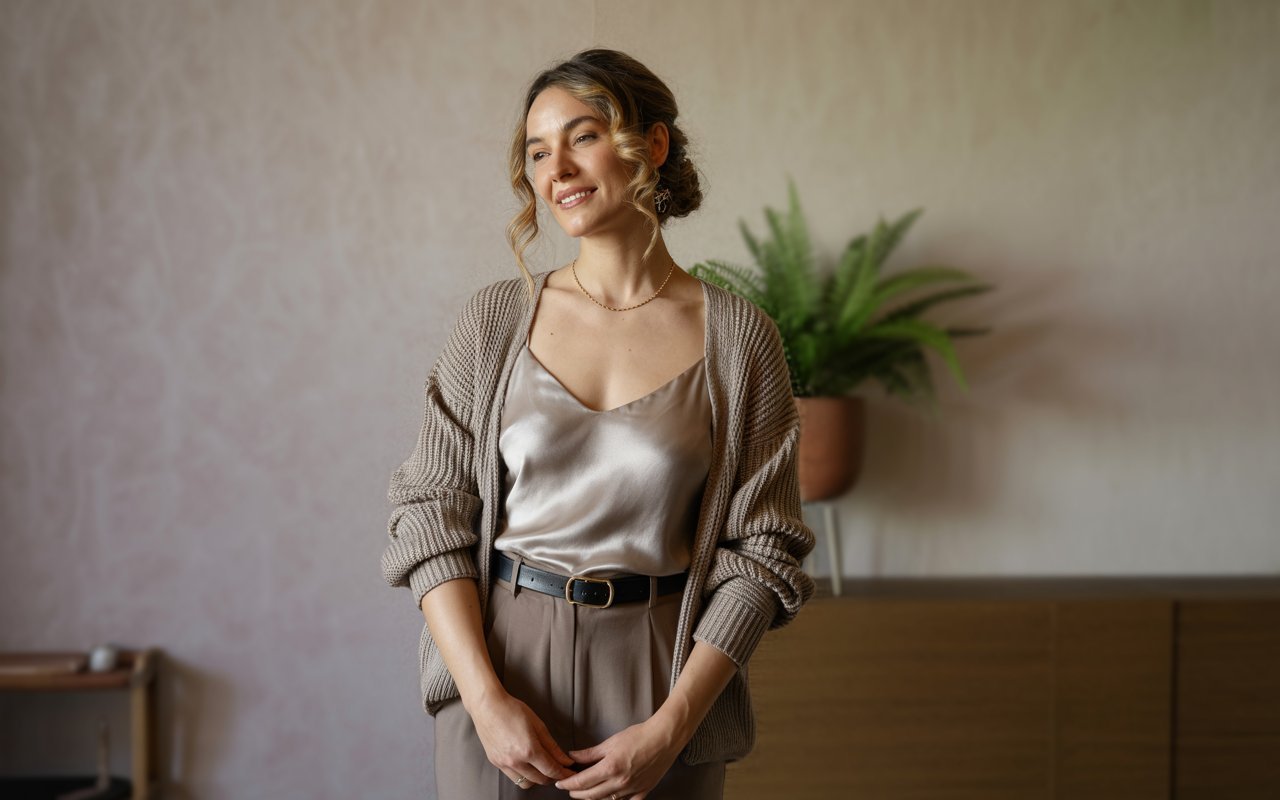
Starting with neutral fabrics creates a clean canvas to showcase texture contrasts without overwhelming your look.

- Why It Works: Neutrals like black, white, gray, tan, and navy serve as a subtle backdrop, allowing textured pieces to stand out.
- Step-by-Step:
- Choose Your Foundation: A pair of classic denim jeans or a simple cotton tee makes an ideal base.
- Add One Textured Layer: Try a chunky knit cardigan or a suede moto jacket on top.
- Anchor with Neutrals: Keep shoes and accessories in neutral tones—think white sneakers or black ankle boots.
- Practical Combos:
- Light-wash denim + ivory cable-knit sweater
- Black cotton tee + charcoal faux-suede blazer
- Navy joggers + gray wool overcoat
By anchoring your outfit with neutral basics, you create a versatile foundation that highlights each textural element without clashing. This is the first step in how to mix textures seamlessly into everyday wear.
2. Play with Contrasts: Smooth vs. Nubby
Contrasting fabrics draws the eye and adds visual intrigue to any outfit.
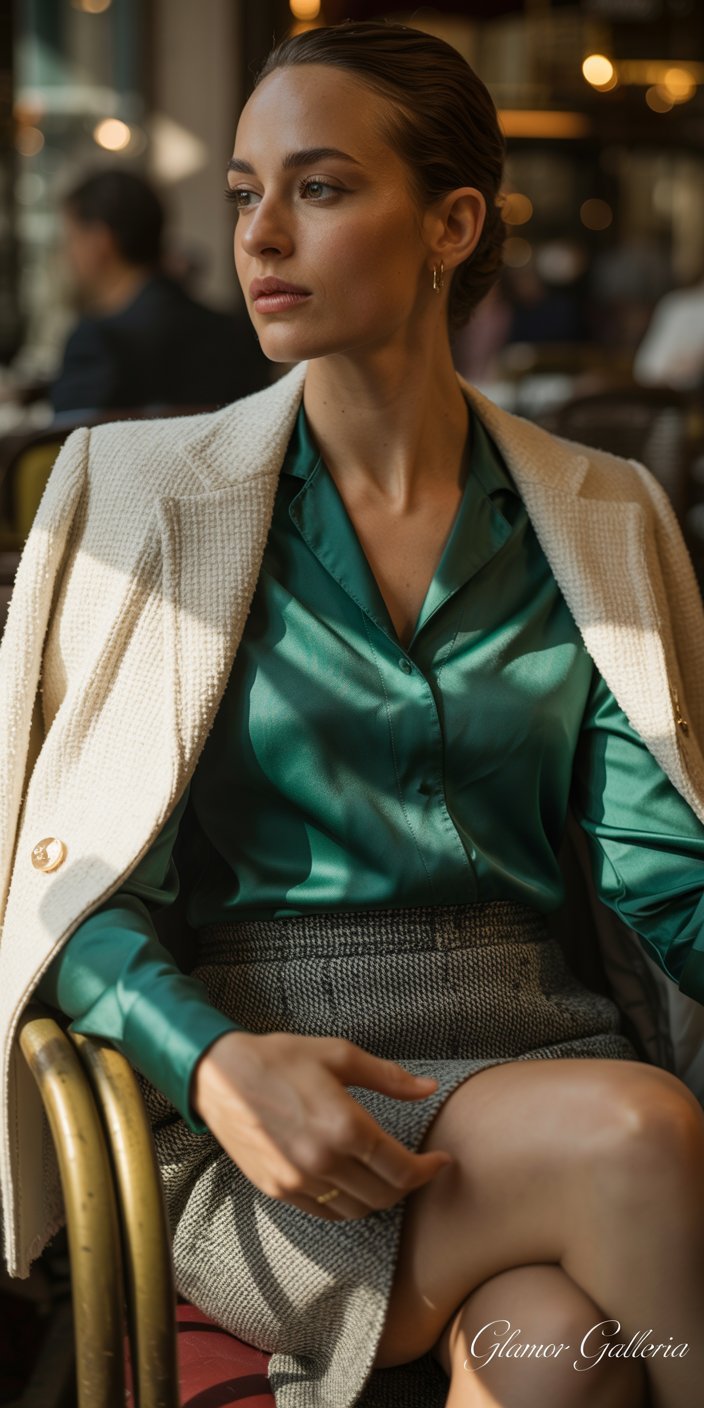
- Why It Works: Pairing polished and rough textures—like silk against tweed—creates a balanced tension that feels both chic and cozy.
- Step-by-Step:
- Select Two Contrasting Pieces: For example, a satin blouse and tweed skirt.
- Balance Color and Proportion: Keep colors in the same family (e.g., jewel tones) and ensure neither piece overwhelms the silhouette.
- Refine with Subtle Details: Choose minimal jewelry so the textures remain the focal point.
- Easy Pairings:
- Silk or Satin + Bouclé: A slinky satin cami with a boucle jacket gives luxe depth.
- Leather + Knit: A leather mini skirt and an oversized cashmere sweater mix hard and soft elements.
- Denim + Corduroy: A denim jacket over a corduroy button-down shirt offers rugged appeal.
This tip shows you how to mix textures in a way that feels intentional: one piece shines while the other grounds the ensemble.
3. Layer Three Textures for Dimension
Once you’ve mastered two fabrics, challenge yourself with a three-texture outfit for extra dimension.
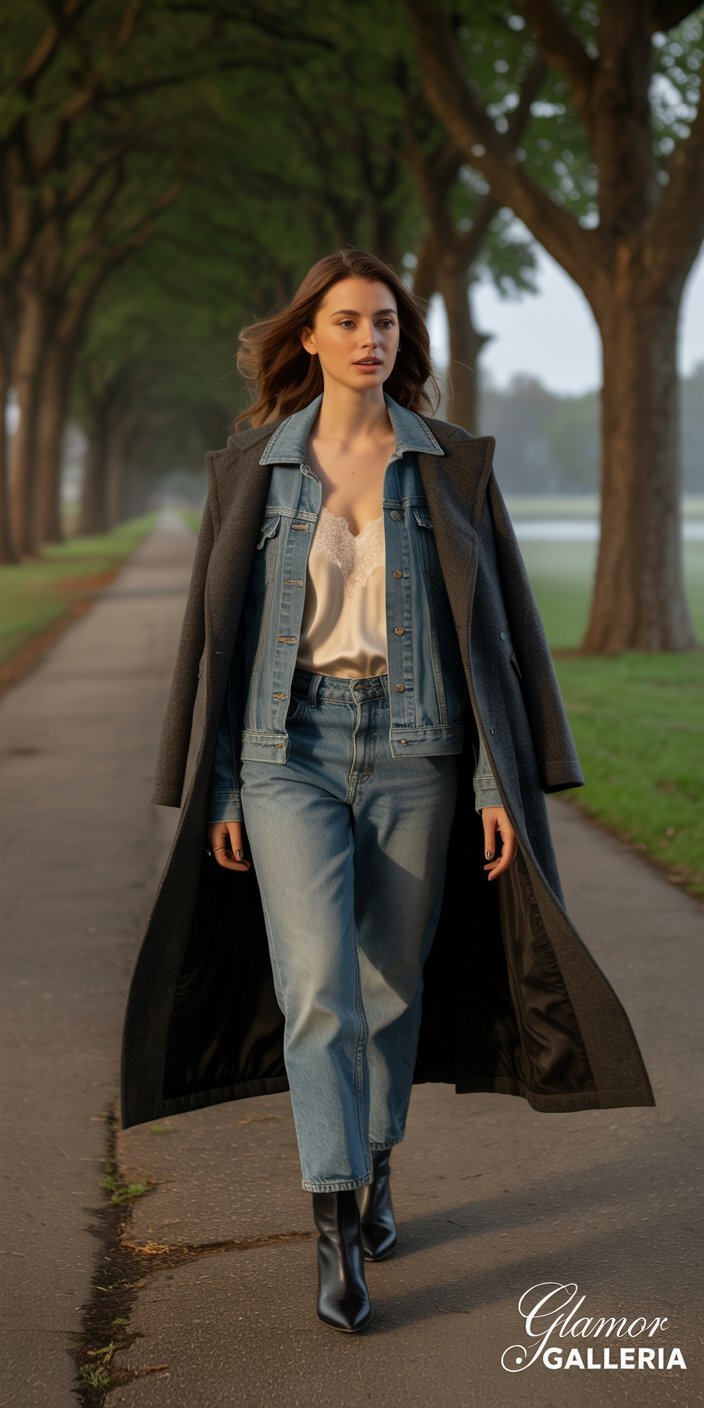
- Why It Works: Layering three different textures in graduated weights—light, medium, heavy—creates a multidimensional look that’s still harmonious.
- Step-by-Step:
- Identify Your Weight Spectrum: Light (lace, chiffon), medium (denim, cotton), heavy (wool, leather).
- Build Vertically: Start with the lightest layer next to your skin, add a medium mid-layer, and finish with the heaviest outerwear.
- Maintain Color Cohesion: Stick to two or three core colors or neutrals with one accent hue.
- Sample Layering Formula:
- Base: Ivory lace tank (light)
- Middle: Blue denim jacket (medium)
- Top: Charcoal wool coat (heavy)
- Additional Combos:
- Silk blouse + cotton blazer + leather trench
- Sheer chiffon top + satin slip dress + tweed coat
- Ribbed knit tee + corduroy shirt jacket + suede bomber jacket
By strategically layering, you’ll demonstrate advanced texture mixing while keeping everything balanced. This is a key lesson in how to mix textures without looking chaotic.
4. Combine Patterns with Texture
Patterned fabrics often possess their own texture—embrace this natural synergy to elevate your look.
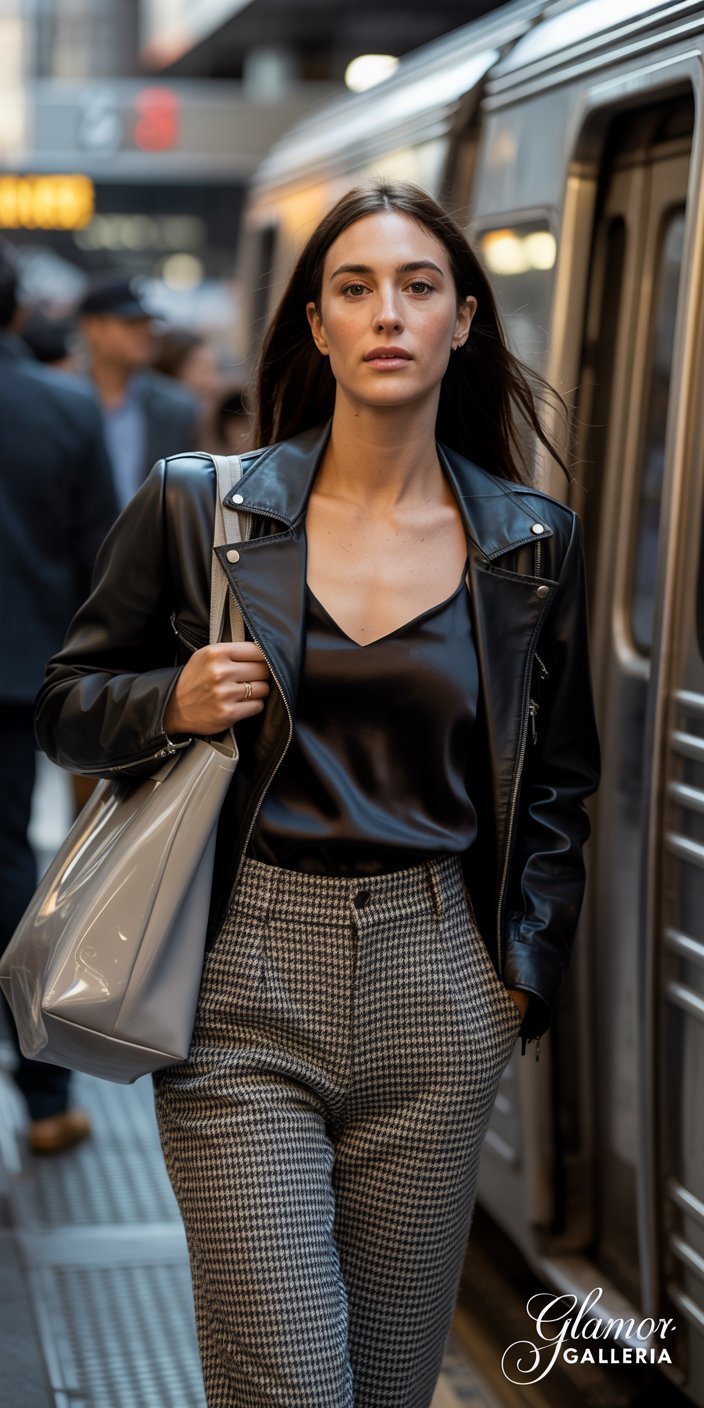
- Why It Works: A patterned tweed or jacquard blend pairs beautifully with smooth solids, letting you experiment with prints and texture simultaneously.
- Step-by-Step:
- Choose a Statement Pattern: Houndstooth, plaid, animal print, or baroque jacquard.
- Pair with a Solid Texture: Match with silk, satin, or leather to let the pattern pop.
- Use Repetition to Tie Together: Pick one color from the pattern and echo it in another textured piece.
- Pattern + Texture Duos:
- Plaid Wool Pants + Silk Blouse: Autumn-ready with structure and sheen.
- Animal-Print Scarf + Cashmere Sweater: Instant weekend chic.
- Jacquard Skirt + Leather Tee: Evening-wear that’s bold yet balanced.
By mixing patterns and fabrics, you’re adding a dual layer of interest—perfect for learning how to mix textures in dynamic ways.
5. Accessorize with Textured Accents
Accessories are the finishing touch that can tie your entire texture-mixing outfit together.
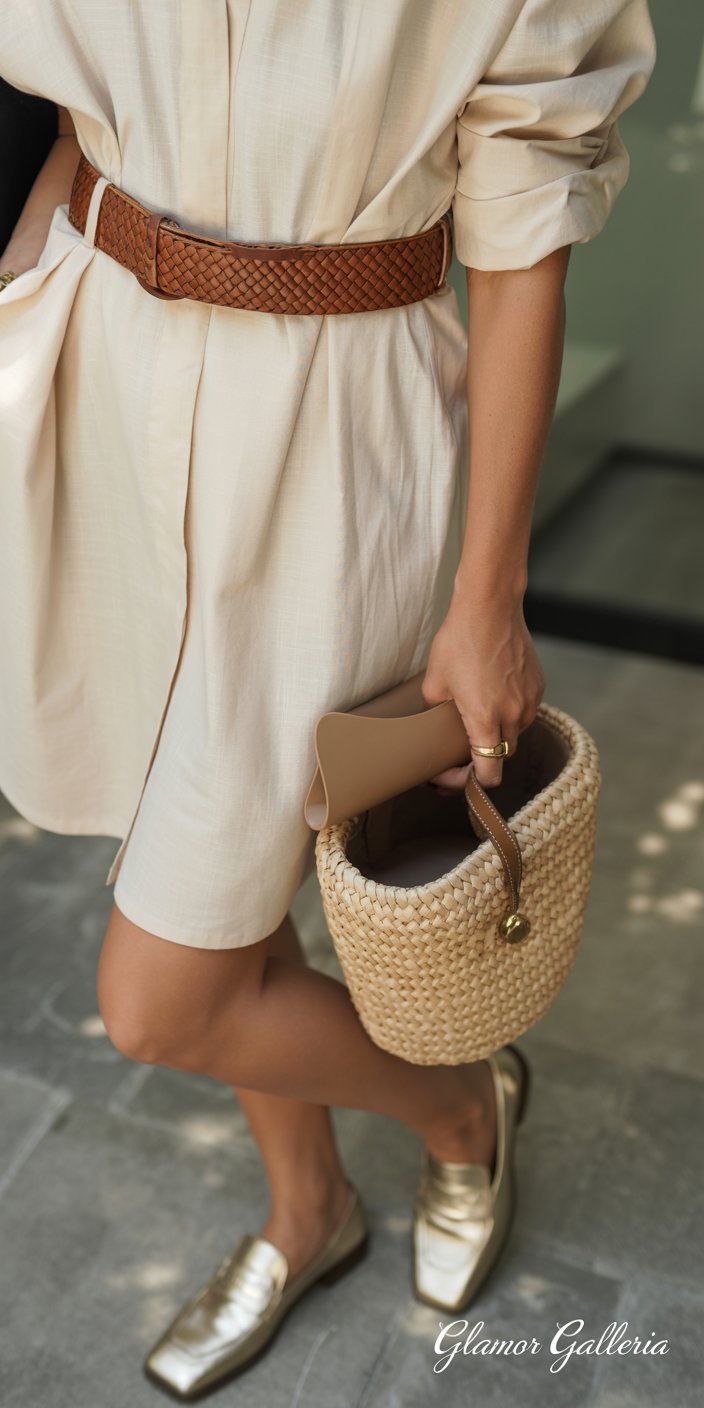
- Why It Works: Belts, shoes, bags, and jewelry in varied materials—suede, patent, woven straw—add subtle texture without overpowering your clothing.
- Step-by-Step:
- Select One Textured Accessory: A woven leather belt, silk scarf, or patent-finish handbag.
- Match Metals and Details: Coordinate zippers, buckles, and metals for cohesion.
- Don’t Overdo It: One or two textured accessories per outfit maintain clarity.
- Accessory Ideas:
- Woven Belt + Denim Dress: Casual texture on texture.
- Patent Loafers + Wool Trousers: Shine meets matte.
- Silk Headscarf + Knit Top: Soft meets soft for feminine flair.
- Leather Crossbody + Cotton Shirtdress: Effortless everyday polish.
With this tip, you’ll see that how to mix textures extends beyond clothing—it’s also about the details that complete your look.
FAQ
Q1: What fabrics are easiest to mix for beginners?
Cotton, denim, and knitwear are ideal starting points because they’re neutral, versatile, and forgiving. Once you’re comfortable mixing these basics, introduce smoother fabrics like silk or velvet and heavier ones like leather or wool. Remember: contrast is key, so aim for one smooth and one textured piece to begin mastering how to mix textures.
Q2: How many textures should I mix in one outfit?
For a balanced look, start with two textures—one smooth, one nubby or rough. As you gain confidence, layer a third texture for depth. Three is the sweet spot: light (lace/chiffon), medium (denim/cotton), and heavy (wool/leather). Mixing more than three can feel overwhelming unless you’re very deliberate with color cohesion and proportion.
Q3: Can I mix textures in both casual and formal outfits?
Absolutely! In casual wear, pair a chunky knit sweater with a satin skirt for an elevated weekend look. For formal events, mix a silk blouse with a tailored tweed suit and patent-leather pumps. The principle of contrast—smooth vs. textured—applies across dress codes, showing you exactly how to mix textures in any setting.
Conclusion
Texture mixing transforms your wardrobe from monotonous to multidimensional. By following these five simple tips—starting with a neutral base, playing with contrasts, layering three textures, pairing patterns, and styling with textured accessories—you’ll quickly master how to mix textures in outfits that feel uniquely you.
Ready to experiment? Dig into your closet today and pick two pieces with different fabrics. Snap a photo of your favorite combo, share it on social media, and tag us with #TextureMixing101. Have questions or your own texture-mixing successes? Drop a comment below, subscribe for more styling guides, and join our community of fashion enthusiasts!