
A sweeping sea of black, cream, or camel may be chic, but without texture even the most carefully matched monochrome outfit can fall flat. Below you’ll find ten stylist-approved ways to weave dimension into single-hue ensembles—turning “safe” tonal dressing into runway-worthy statements—plus answers to common questions and a nudge to share your own textural tricks.
Introduction: Why Texture Is the Secret Sauce of Tonal Dressing
Monochrome outfits resonate because they project effortlessness: grab pieces in the same color family and you’re instantly put-together. Yet “effortless” often slides into “forgettable” when every item is the same fabric and finish. Texture changes that equation. Mixing ribbed knits with slick leather or airy lace with dense wool catches light differently, creates pockets of shadow, and makes observers want to lean in for a closer look. Fashion editors even argue that swapping silhouettes matters less than layering fabrics when you want your all-black or all-white suit to pop(InStyle). In short, texture delivers depth, amplifies luxury, and keeps monochrome outfits from feeling one-note.
1. Pair Luxe Opposites: Smooth Silk × Rugged Leather
Silk reflects light; leather absorbs it. The contrast dramatizes depth without breaking your color scheme.

Try it:
- Base layer: a fluid silk slip dress or blouse.
- Contrast layer: cropped leather jacket or sleek leather trousers.
- Balance: add minimalist leather sandals or a soft silk scarf to repeat each fabric.
Pro tip: If you’re wary of real leather, coated denim and plant-based alt-leathers yield similar matte richness.
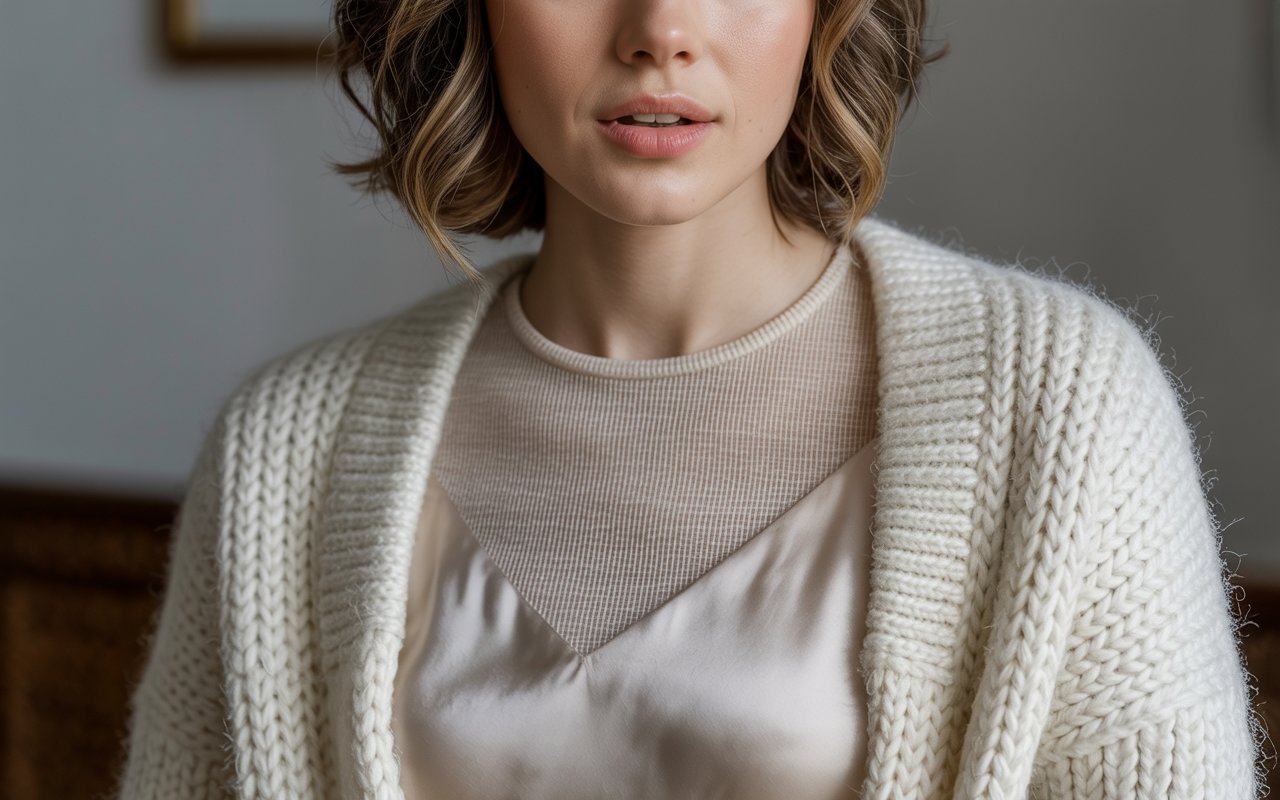
2. Play the Knit Game: Chunky, Fine, and Ribbed in One Palette
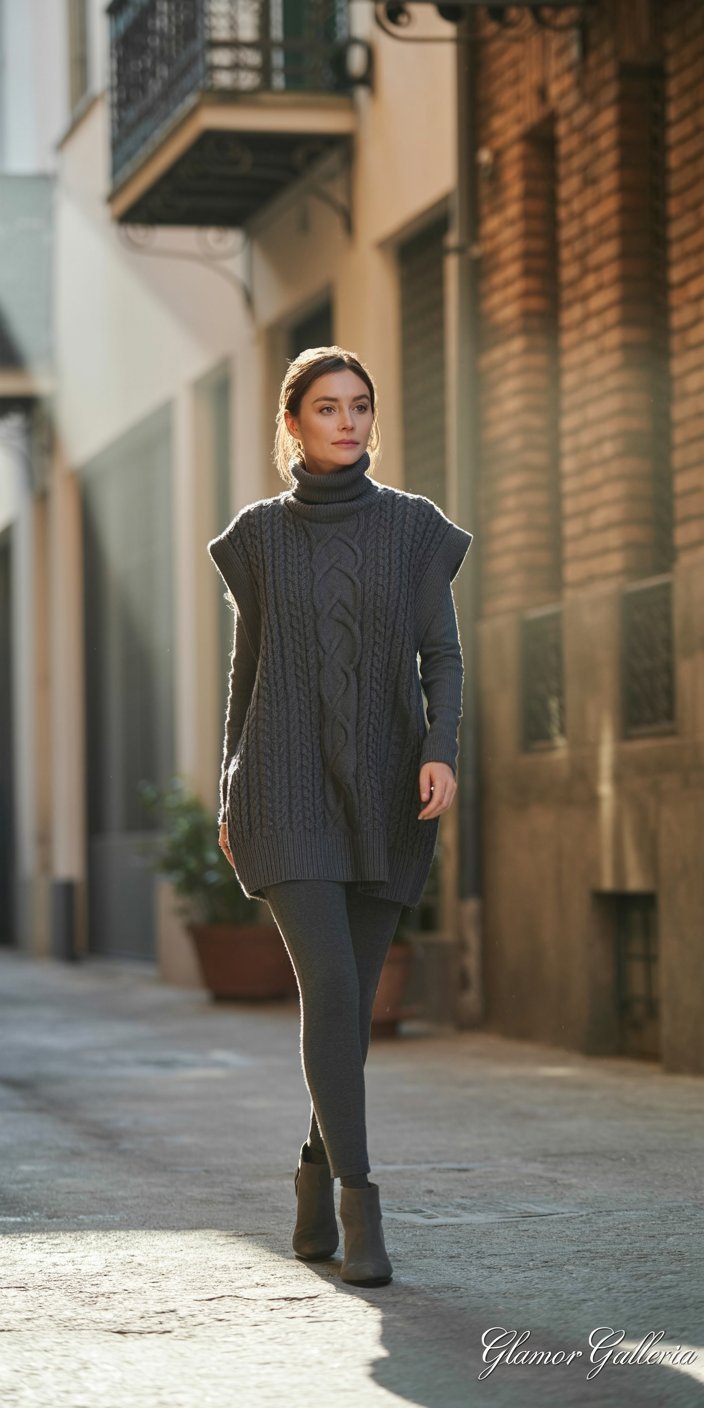
Knits are texture playgrounds. Combine gauge weights and stitches—think fisherman cable over slinky rib tank over stretch-knit midi skirt—to create visual peaks and valleys.
Step-by-step:
- Select your shade (e.g., charcoal).
- Anchor with a fine-rib turtleneck.
- Layer an oversized cable-knit vest for heft.
- Finish with jersey leggings to taper the silhouette.
Why it works: Each knit reflects light differently, so the eye registers depth even though everything is technically “charcoal.”
3. Introduce Quilted or Padded Sections
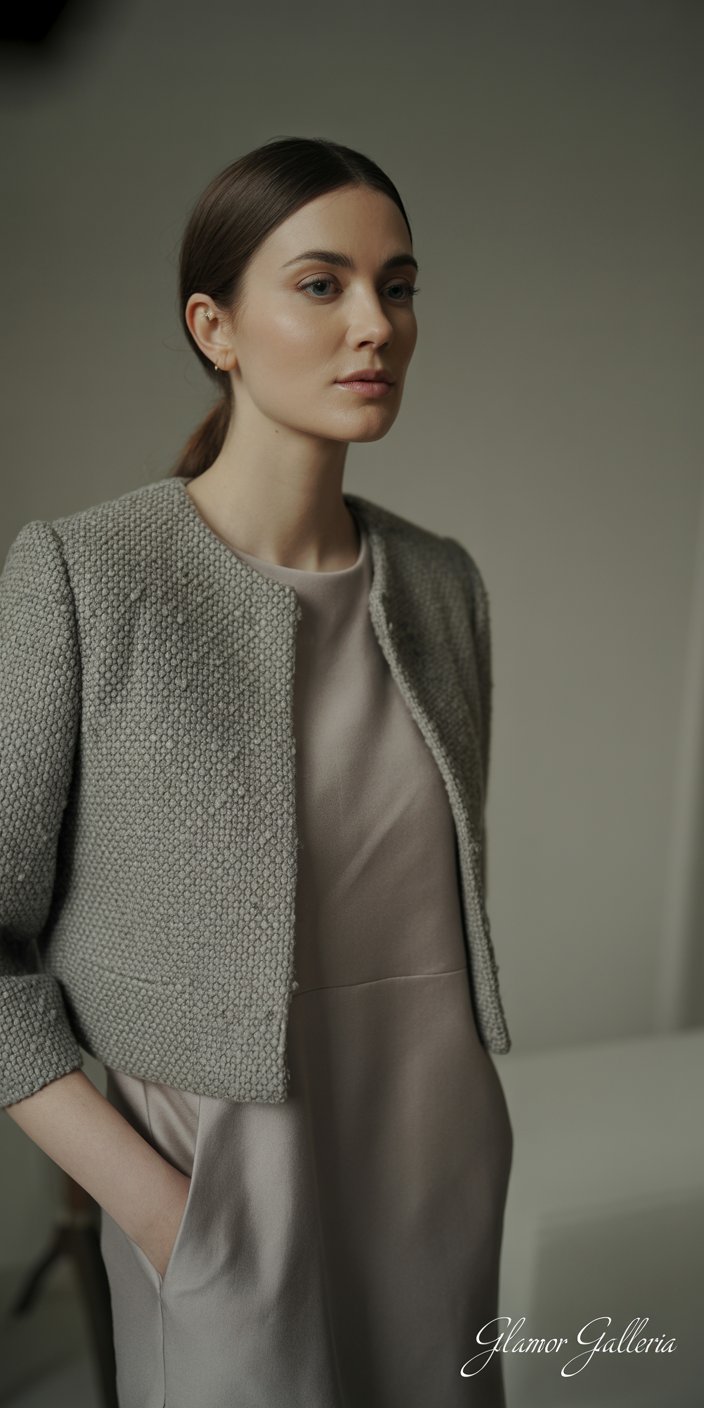
Quilted textures—whether classic Chanel-style bouclé or puffer-coat channels—add raised geometry that reads luxe.
- Office option: cropped quilted bouclé jacket over matching shift.
- Weekend option: monochrome puffer gilet atop tone-on-tone hoodie.
Quilting also traps air, making it the perfect cool-weather trick for staying warm without color breaks.
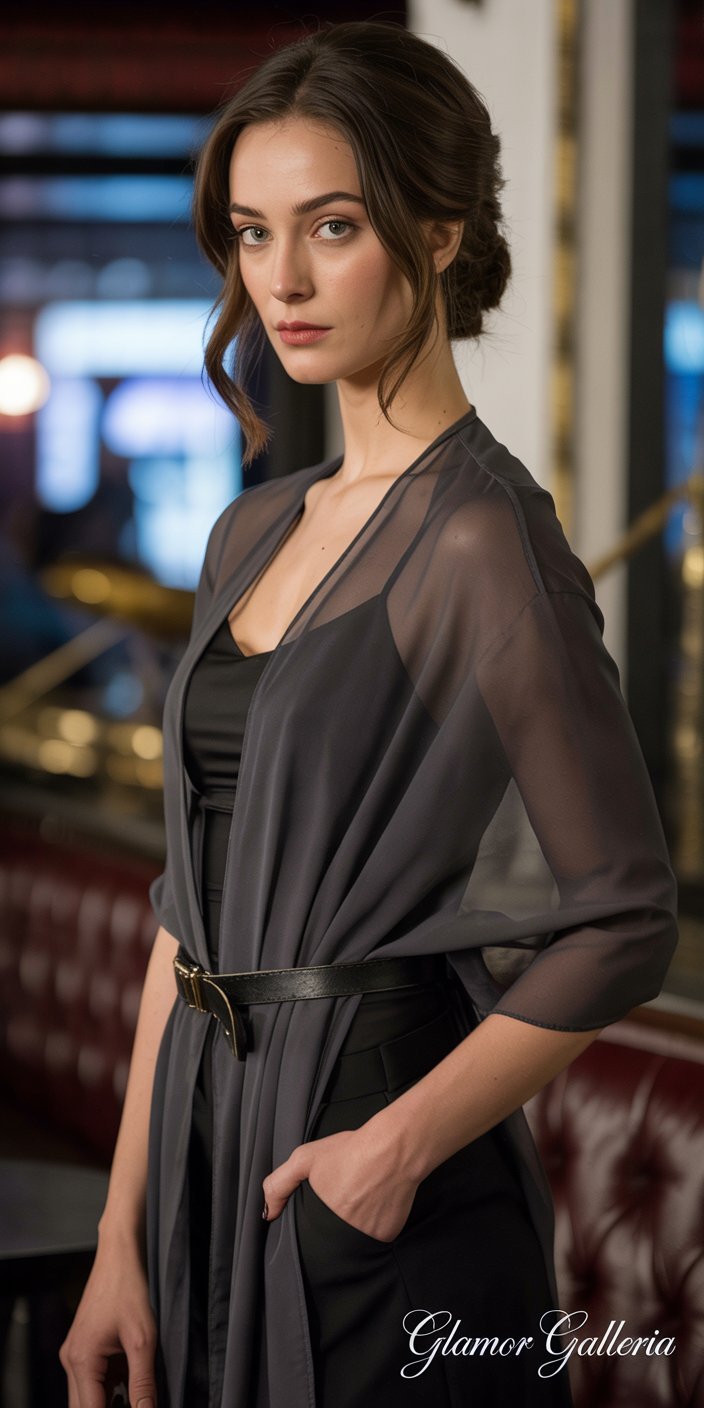
4. Layer Sheer Over Opaque for Subtle Shadow Play
Sheer organza, chiffon, or mesh lets flashes of underlying fabric peek through.
How-to:
- Wear a fitted opaque base (tank, slip, or catsuit).
- Top with a diaphanous tunic, duster, or mesh long sleeve.
- Cinch both layers with a tone-matched belt so the layers mingle instead of floating apart.
This technique feels modern yet romantic, ideal for evening looks.
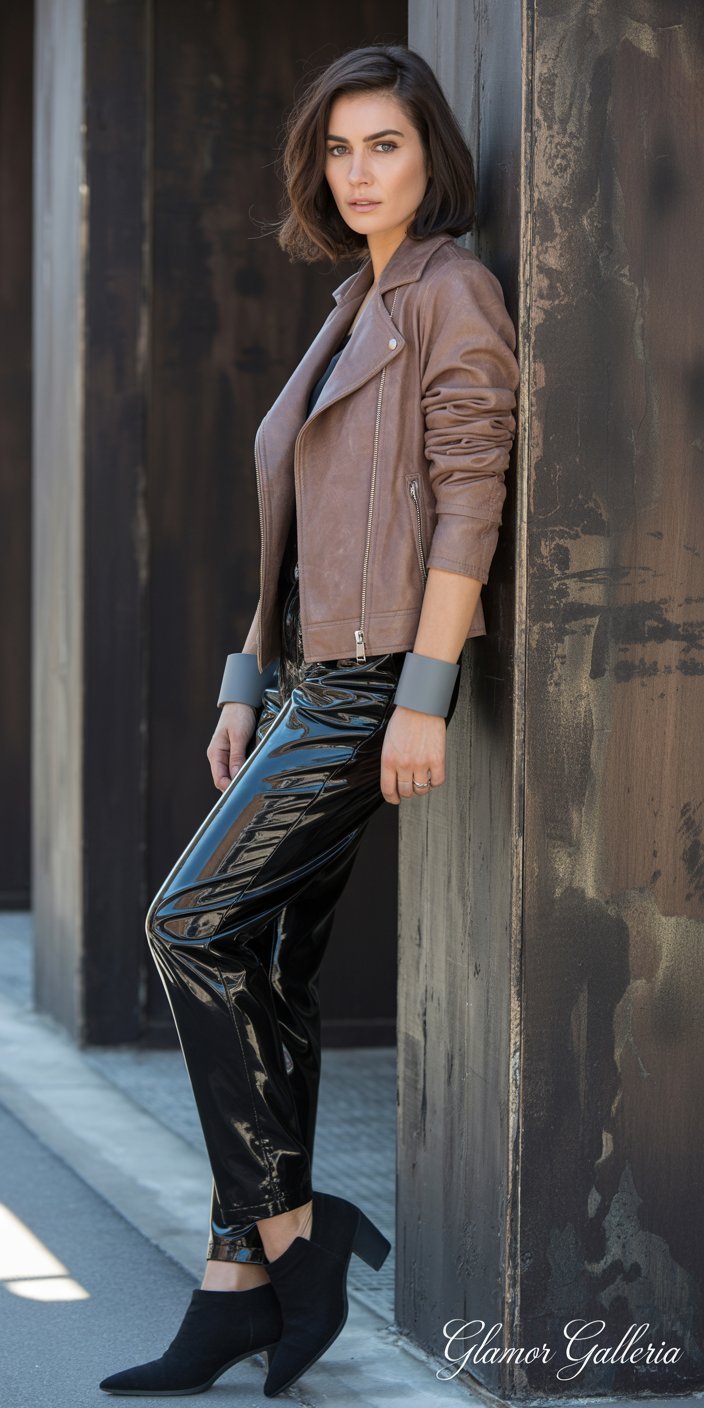
5. Mix Matte and Glossy Finishes
A nylon windbreaker (slightly shiny) next to brushed cotton (matte) gives the eye a point-counterpoint to travel across.
Textures to juxtapose:
- Suede (matte) vs. patent faux leather (high-gloss)
- Brushed denim vs. satin bomber
- Powder-coated hardware vs. polished metal jewelry
Remember to keep silhouettes simple; the finish contrast already carries the excitement.
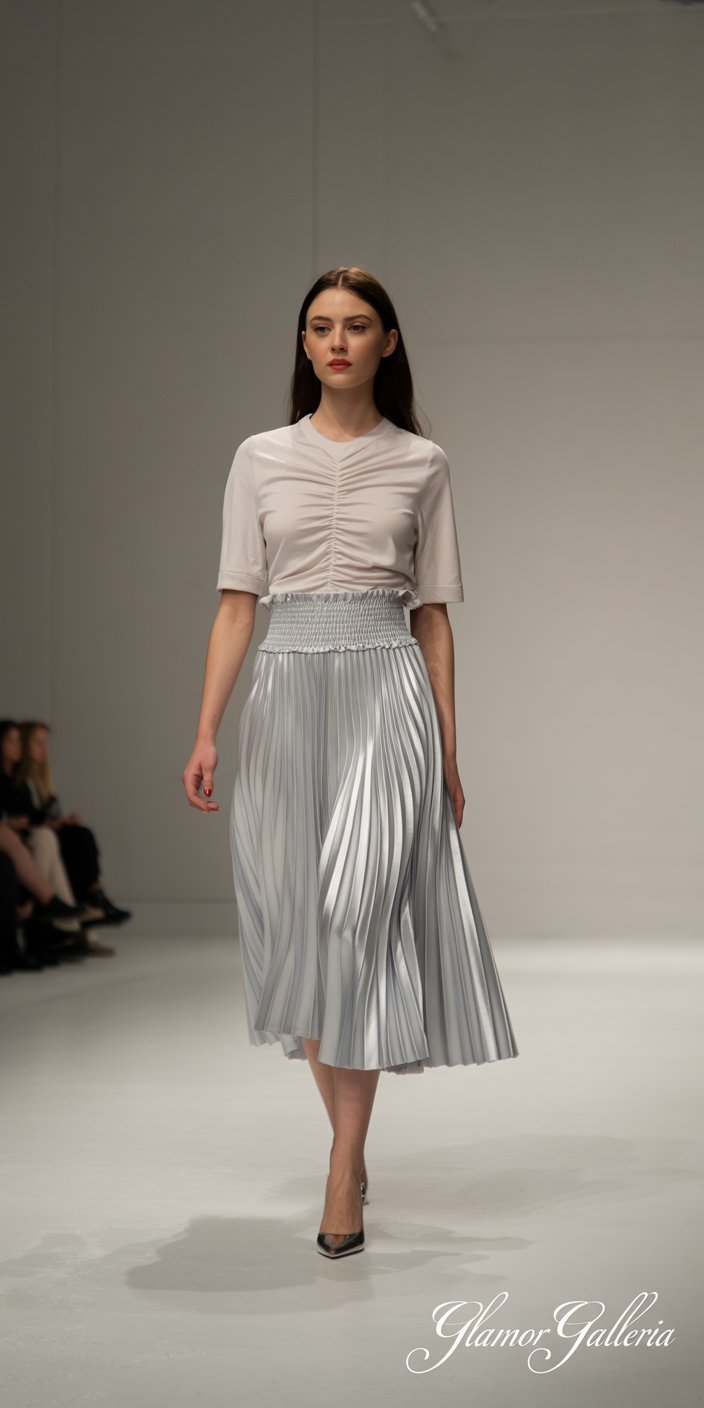
6. Embrace Architectural Fabric Details: Pleats, Ruching & Smocking
Fabric manipulated into folds casts micro-shadows that read as texture from afar.
- Knife-pleat midi skirts ripple as you walk.
- A ruched jersey top creates sculptural ridges without adding bulk.
- Smocked cuffs or waists break up long columns of color.
Because these effects are built into the fabric, they won’t disrupt your palette.
7. Go Classic with Textured Outerwear: Tweed, Bouclé, Bouclé-Terry
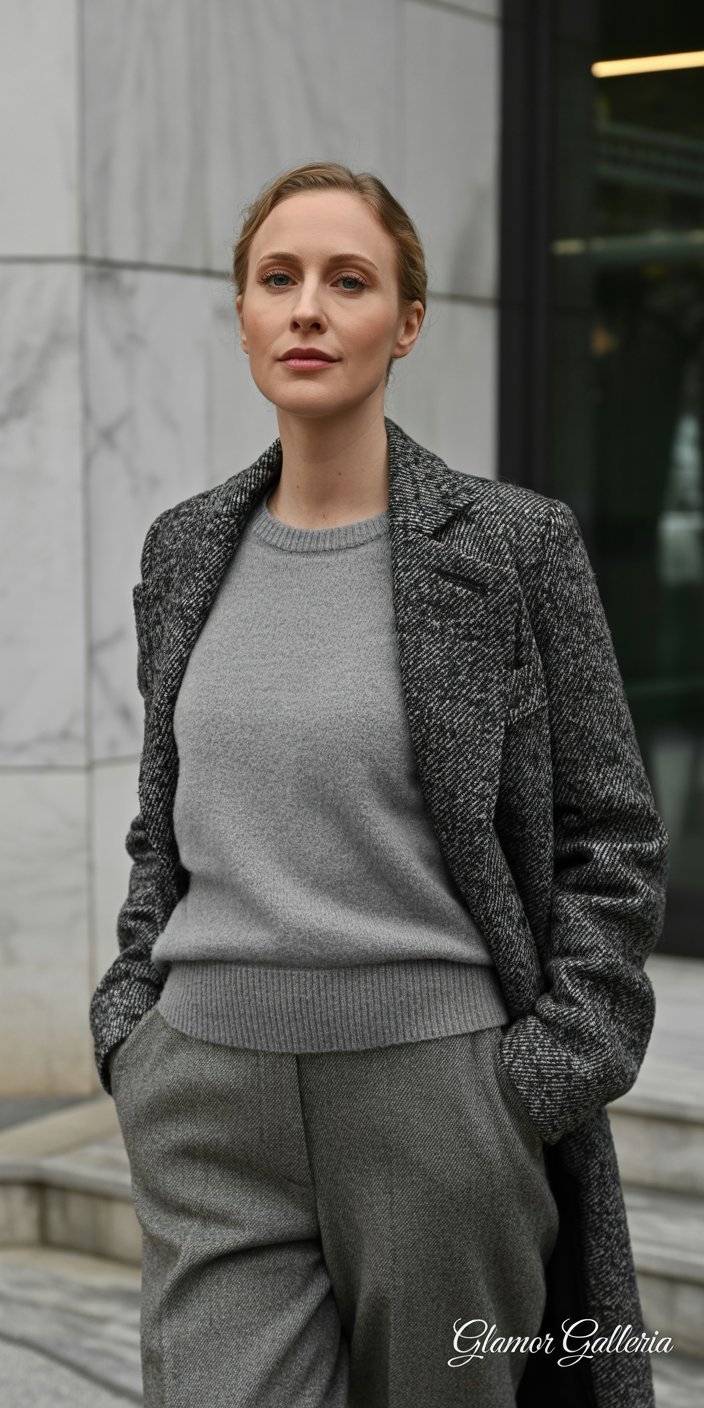
Tweed and bouclé carry tiny flecks, loops, and slubs that bounce light differently at every angle—an easy way to “texturize” neutral outfits while staying true to one hue.
Styling idea: Throw a salt-and-pepper gray tweed coat over dove-gray cashmere and stone-gray wool trousers for a gradient-yet-monochrome moment.
Luxury shoe brands and style bloggers highlight texture as the number-one way to elevate monochrome coats and suits(Rothy’s).
8. Incorporate Subtle Animal-Embossed or Croc-Stamped Pieces
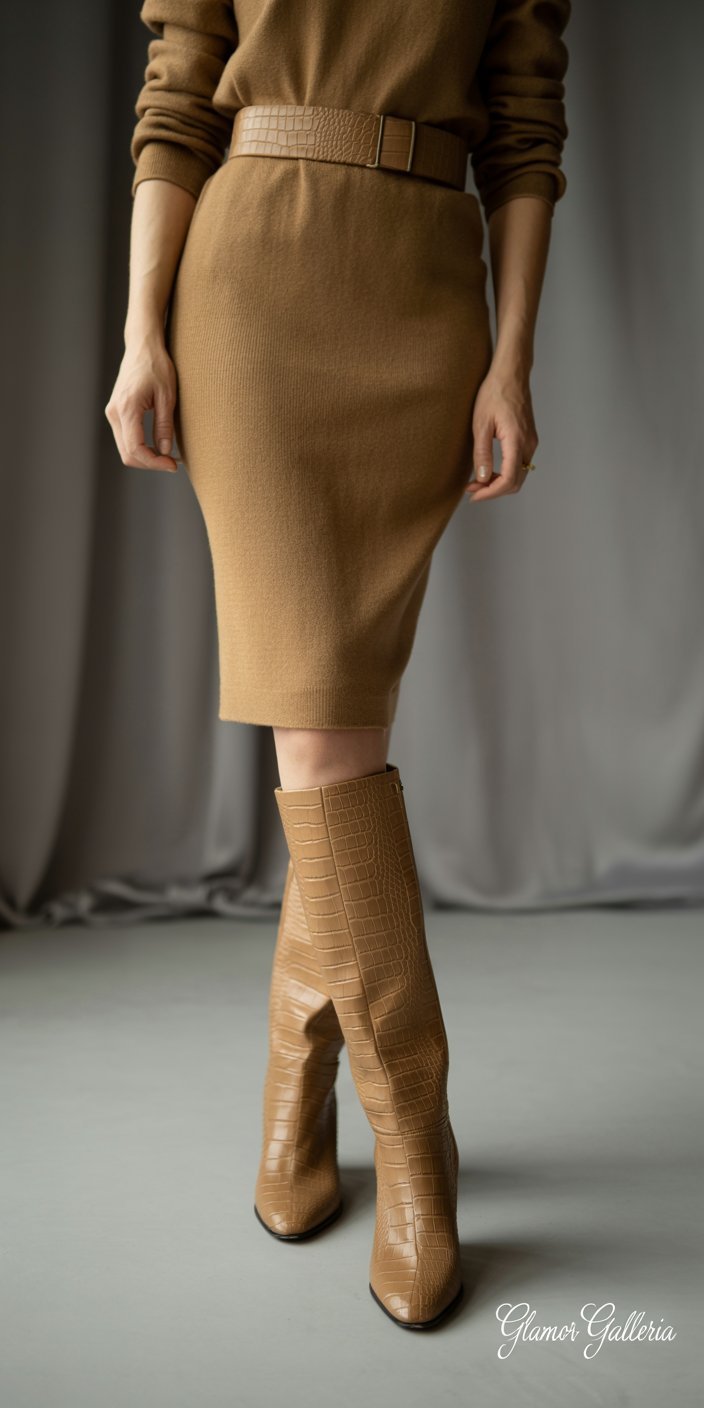
Embossed faux crocodile boots, lizard-pressed belts, or python-patterned bags inject tactility while the single-color dye keeps everything cohesive.
- Monochrome camel look: knit midi + croc-embossed knee boots.
- All-white ensemble: crisp denim + embossed belt + tiny croc bag.
Keep embossing tone-on-tone to maintain minimalism.
9. Lean on Ribbed Basics and Waffle Weaves
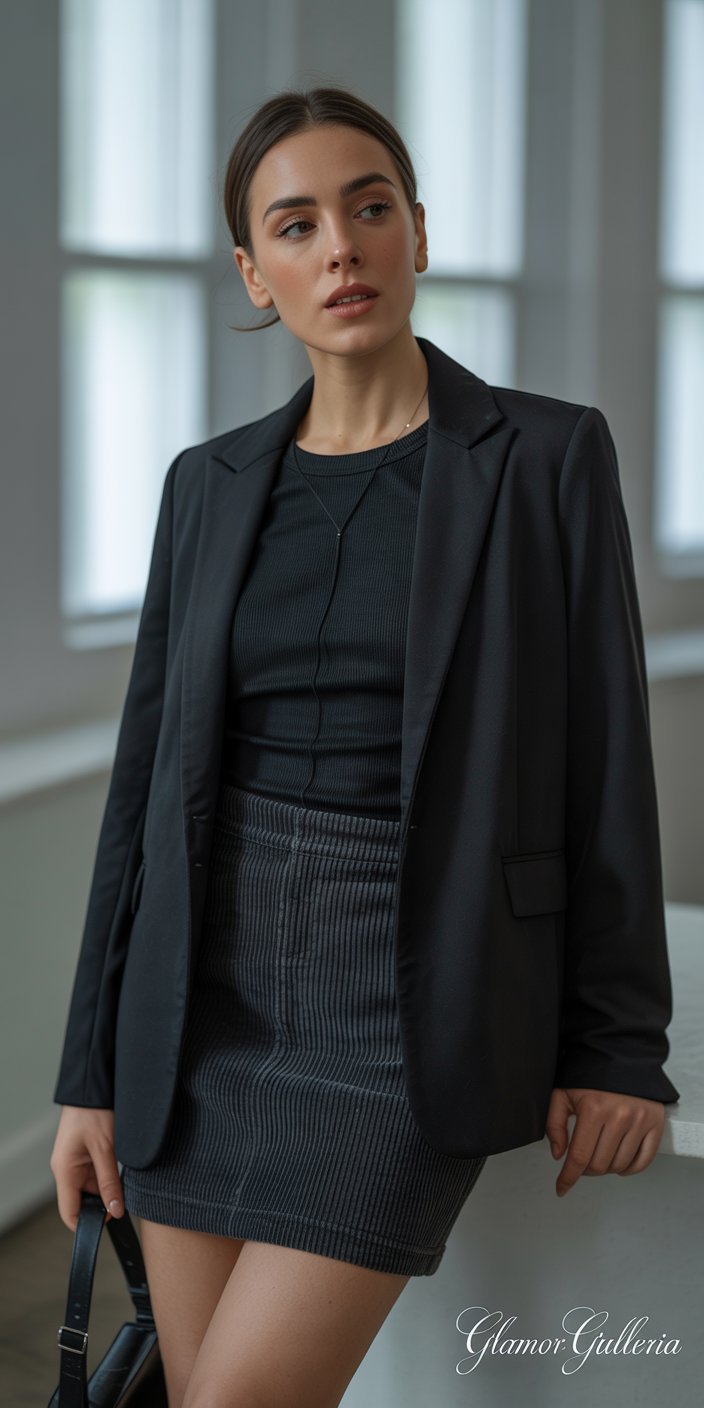
Ribbed cotton tops, waffle long-john knits, and micro-corduroy add whisper-soft ridges that are easy to layer.
Three-piece equation: ribbed tee + smooth ponte blazer + cord mini. Because the rib and cord share a vertical orientation, the look feels intentional.
10. Finish with Tactile Accessories: Fringe, Faux Fur, Woven, Braided
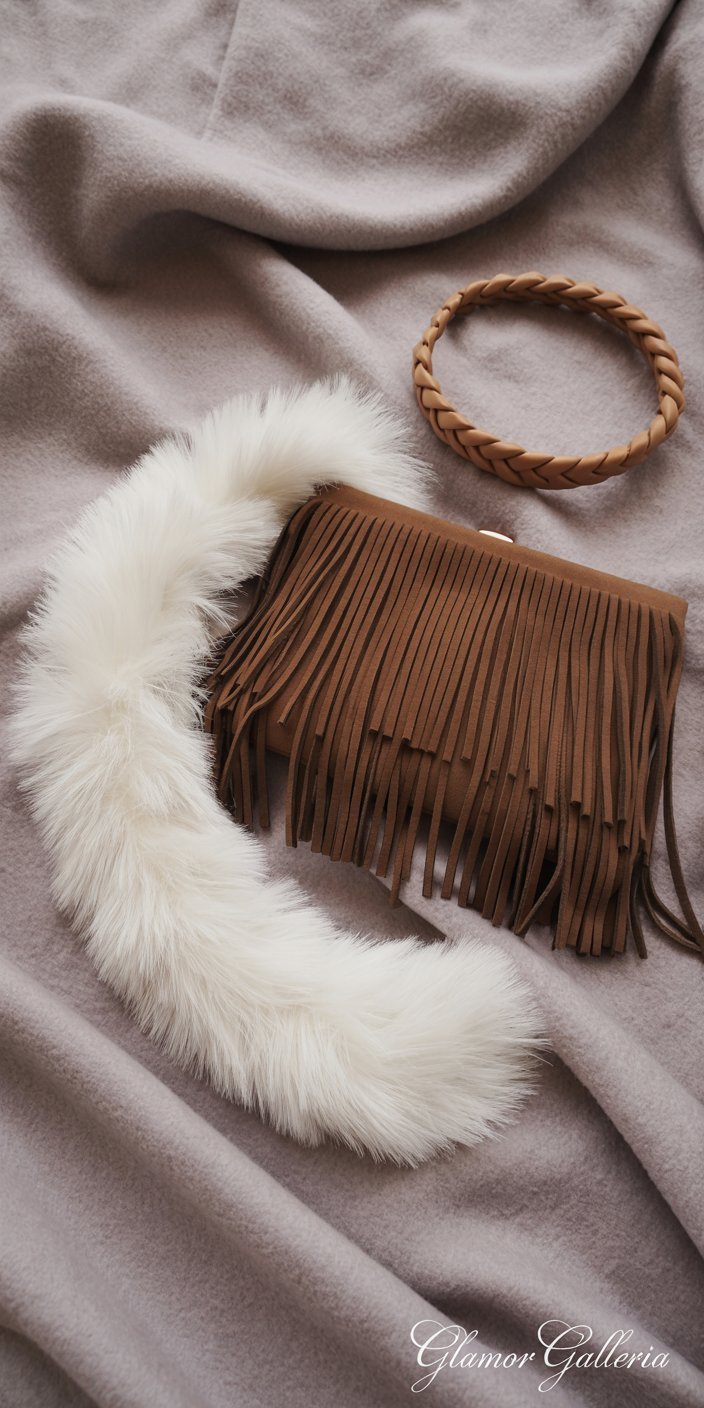
When your clothes already combine two or three textures, accessories become the polish.
- Fringe: suede belt or clutch with delicate fringe sways and contrasts against flat fabrics.
- Faux fur: a snowy faux-fur muffler against winter-white wool coat.
- Woven: braided leather headbands or straw totes in summer neutrals.
- Metal mixed with fabric: chain-strap bags where shiny links sit against matte canvas.
Styling websites specializing in texture mixing recommend using accessories as the “third texture” that ties a look together(ViX Paula Hermanny).
FAQs About Adding Texture to Monochrome Outfits
Q1. Can I still call it “monochrome” if I mix different shades of the same color?
Yes. A monochrome outfit spans one color family, meaning you can pair ivory with stark white or slate with dove gray. Shade variation actually enhances texture perception because subtle tonal shifts make each fabric’s surface stand out more.
Q2. What textures work best for warm-weather monochrome outfits?
Choose breathable textures that invite airflow: linen slub, eyelet cotton, seersucker, TENCEL™ twill, and lightweight knit crochet. Pair them with matte leather sandals or woven raffia accessories for depth without heat.
Q3. Is it okay to mix patterns with textures in a single-color look?
Absolutely—think tonal pinstripes, herringbone, or jacquard. Because everything shares one hue, patterns behave like textures. The key is scale: balance a micro-patterned blouse with a solid ribbed skirt rather than competing prints head-to-toe.
Conclusion: Layer, Experiment, Share
Texture turns monochrome dressing from background basic to front-row fashion. Start small—swap your usual cotton tee for a ribbed one, or trade smooth boots for croc-embossed—and observe how much richer your single-hue ensembles become. Then level up by layering sheer over opaque or mixing silk with leather until you’ve mastered all ten tactics.
Let’s keep the inspiration flowing: drop a comment below with your favorite texture combo, subscribe for weekly style deep-dives, and tag us on social when you try these monochrome outfit ideas. After all, every outfit is better when we can feel it—visually and literally.